Burst Pipe or Hidden Leak? Emergency Leak Detection in Quakers Hill
| Quick answer: A burst pipe announces itself. You get sudden water, a drop in pressure, and visible flooding, and it needs the mains shut off and a plumber on site straight away. A hidden leak does the opposite. It seeps quietly behind a wall, under a slab, or beneath the lawn, and the first clue is usually a rising water bill, a musty smell, or a warm patch on the floor. Emergency leak detection in Quakers Hill uses acoustic listening gear, thermal imaging, pressure testing, and drain cameras to pinpoint either problem before anything gets torn open. If you can hear water moving with every tap closed, or the meter keeps ticking over at night, treat it as urgent and call Local Quakers Hill Plumber on 02 9158 3597. |
What this guide covers
- Burst pipe or hidden leak: how to tell the difference
- Warning signs of a hidden leak
- When a leak becomes an emergency, and what to do first
- How emergency leak detection works
- Where leaks hide in Quakers Hill homes
- After the leak is found
- Frequently asked questions
The 2am question every homeowner asks
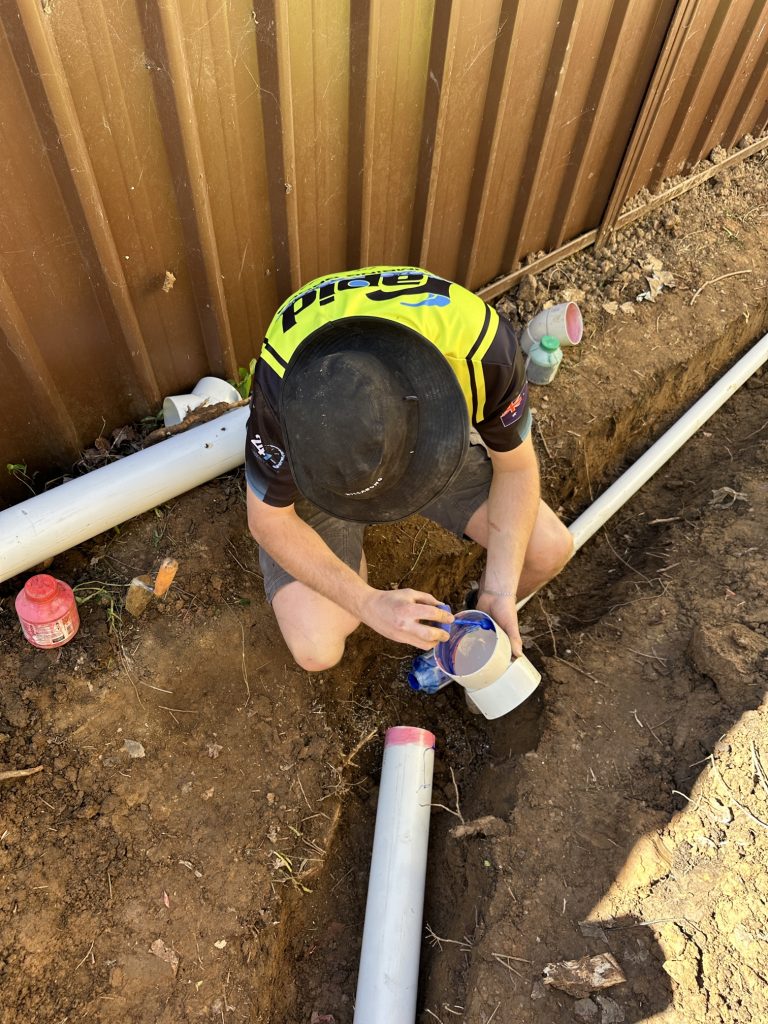
Something has changed in the house. Maybe you woke to water moving through the walls when nobody had run a tap in hours. Maybe the hallway carpet is damp and you cannot work out why. Or maybe the water bill arrived and the number made no sense. Those situations feel different but often end in the same place: a plumber with detection equipment working out whether a pipe has already failed or has been failing quietly for months. Which one you have decides how fast you need to move, and that is what emergency leak detection in Quakers Hill is for.
Burst pipe or hidden leak: how to tell the difference
The simplest way to separate the two is speed and visibility.
A burst pipe is a sudden structural failure. The pipe splits or blows apart at a joint and water escapes at full mains pressure. You will usually see it, hear it, or both. Pressure at the taps drops noticeably, water appears where it should not, and it gets worse by the minute rather than the week. Bursts are more likely in older galvanised or copper lines that have corroded from the inside, after ground movement, and anywhere a pipe has been knocked during renovation work. Our guide on what to do during a burst pipe covers the immediate response in more detail.
A hidden leak is a slow escape of water from a pipe, fitting, or seal you cannot see. It might be a pinhole in a copper line inside a wall cavity, a failed joint under a concrete slab, a cracked irrigation line, or a perished seal behind the shower. The volume is small enough that nothing dramatic happens, which is exactly what makes it expensive. Water keeps running, the meter keeps counting, and moisture keeps working on timber, plaster, and foundations while you go about your week.
| Still in the “something feels off” stage? Start with the signals rather than the panic. Our article on the signs you need leak detection before your water bill spikes is a good way to check what you are seeing against what plumbers actually look for. |
Warning signs of a hidden leak
Hidden leaks rarely give one clear symptom. They give several small ones that are easy to explain away individually.
- A water bill that climbs with no change in usage. Compare against the same quarter last year, not the previous quarter, since seasonal watering skews it.
- The meter moves when everything is off. Shut every tap and appliance, then watch the dial for fifteen minutes. Movement means water is going somewhere.
- Damp patches, bubbling paint, lifting skirting boards, or a musty smell that will not clear, especially on a wall backing onto a bathroom, laundry, or kitchen. Damp in a cavity can grow mould well before you see a stain.
- A warm spot on the floor, which often points to a hot water line leaking under the slab. Our piece on hot water pipe leak emergencies explains why these need a faster response.
- A patch of lawn that stays green or soggy through dry weather, which underground supply lines and irrigation both cause.
- The sound of running water with nothing running. Stand in a quiet house at night and listen near walls and floors.
One of these alone may mean nothing. Two or three together usually means it is worth booking an inspection rather than waiting to see what happens.
When a leak becomes an emergency, and what to do first
Not every leak needs a plumber at midnight. Some do. Call straight away if water is pooling or spraying and you cannot stop it at a tap, if water is anywhere near switchboards or power points, if a ceiling is sagging or dripping, if hot water is escaping, if mains pressure has dropped suddenly across the whole property, or if water is coming up through the slab. If you can smell gas as well, leave the property first and call from outside.
The rule of thumb: water plus electricity, water plus structure, or water you cannot control all justify an after-hours callout. Everything else can usually wait until morning, but should not wait until next month. See the full scope of what we handle on our emergency plumbing services page.
The first ten minutes
- Shut off the water at the main stop tap near the meter. If the leak is clearly at one fixture, an isolation valve under the sink or behind the toilet may be enough.
- Cut the power to the affected area if water is near electrical fittings. Do not stand in water to reach a switchboard.
- Turn off the hot water system if hot water is involved, at the isolation switch for electric or the gas valve at the unit.
- Move what you can: rugs, furniture off wet carpet, electronics and documents.
- Open a low tap once the main is off, to drain residual pressure.
- Photograph everything. Insurers almost always want images before anything is dried or repaired.
What not to do: cut into walls or dig in the yard to find the leak yourself. Guessing at the location is how a small repair becomes a large reinstatement job.
How emergency leak detection works
Modern detection is largely non-invasive. The goal is to narrow the leak to a point before anything gets opened up, and most callouts combine several methods because each is good at something different. We put them side by side in our comparison of acoustic, thermal, and pressure testing.
- Acoustic listening. Water escaping a pressurised pipe makes a distinctive noise. Ground microphones and amplified listening sticks pick it up through concrete, tile, and soil, and the plumber works the sound to its loudest point. This is the workhorse method for buried and concealed supply lines.
- Thermal imaging. A thermal camera reads surface temperature differences. A hot water leak under a slab shows as a warm plume, and a cold water leak can show as a cool patch from evaporative cooling. Fast, non-destructive, and good for confirming what the acoustic gear suggested.
- Pressure testing. Isolate a section of pipework, pressurise it, and see whether it holds. A drop confirms a leak in that section, and repeating across zones narrows down the run at fault. This is how you prove a leak is real when the symptoms are ambiguous.
- Drain and pipe cameras. For waste lines, a CCTV camera on a flexible rod shows cracks, root intrusion, displaced joints, and collapses directly, along with the depth and position the repair plan depends on.
- Tracer gas and moisture meters. For very small or hard to reach leaks, a safe tracer gas introduced into the line can be detected at the surface. Moisture meters map how far water has travelled, which guides the drying work.
Used together, these tools keep the excavation or wall opening small and targeted. Our overview of how plumbers find hidden leaks without digging goes further into the equipment.
| Weighing up a callout? Read what leak detection includes and what affects the cost, then call 02 9158 3597 and we can talk through your symptoms before anyone gets in a van. |
Where leaks hide in Quakers Hill homes
Housing across Quakers Hill, Acacia Gardens, Parklea, and Schofields ranges from established brick homes to recent estate builds, and the leak patterns differ.
Under the slab. Slab-on-ground construction is common across Western Sydney, and pipes beneath the slab are effectively invisible. Reactive clay soils that swell and shrink through wet and dry cycles can stress those lines over time. Warm floor patches, unexplained damp on internal walls, and a meter that will not stop are the usual tells, and our article on how leak detection works under concrete covers this specifically.
In wall cavities. Pipework serving bathrooms, kitchens, and laundries runs through framing where a pinhole can weep for months before anything shows. Shower recesses are a frequent culprit, because a failed waterproofing membrane and a leaking pipe produce similar symptoms. See shower leaks behind tiles for the distinction.
Outdoors and underground. The service line between meter and house, irrigation, pool plumbing, and rainwater tank connections all sit where nobody looks. A green stripe across a dry lawn or a soft spot in the paving is often the only sign. We cover that ground in leak detection for pools, irrigation, and outdoor lines.
After the leak is found

Detection and repair are separate stages, and a good plumber explains both before starting. A failed joint or a pinhole in an accessible run may simply be cut out and replaced. A leak under a slab might mean opening a small section of concrete, or rerouting the line if that run has multiple problems. Sewer and stormwater damage found on camera may suit relining rather than excavation.
Drying matters as much as the plumbing. Water that has sat in a wall or under flooring has to come out properly, or you trade a plumbing problem for a mould problem. Keep every photograph, report, and invoice, because most Australian home policies treat sudden damage from an escape of water differently from a long-developing leak. Documenting when you noticed it and when you acted helps your case.
Reducing the odds of a repeat
- Read your water meter once a month and note the number, so an unusual jump is obvious early
- Walk the property each season, checking under sinks, around the hot water unit, and along external walls for damp
- Know where your main stop tap is and check it still turns freely, before the day you need it in a hurry
- Book an inspection if your home is older or you have just moved in. Our general plumbing services cover this kind of preventative check
Key takeaways
- A burst pipe is sudden and visible. A hidden leak is slow and shows up in bills, damp, and smells
- Water near electrics, a sagging ceiling, escaping hot water, or a leak you cannot control all justify an emergency callout
- Shut the main, cut power to wet areas, drain the system, and photograph everything while you wait
- Detection combines acoustic, thermal, pressure, and camera methods so the repair is targeted, not exploratory
Frequently asked questions
How do I know if I have a hidden leak or just a high water bill?
Turn off every tap, appliance, and irrigation timer, read your water meter, then read it again fifteen to twenty minutes later. If the reading has changed, water is escaping somewhere in the system. If it has not moved, the higher bill is more likely usage, a pricing change, or a metering issue worth raising with your water authority.
Can a plumber find a leak without digging up my yard or breaking walls?
In most cases, yes. Acoustic listening equipment, thermal imaging, pressure testing, and drain cameras all locate a leak from the surface. Some access is usually needed for the repair itself, but the point of detection is to make that access as small and precise as possible rather than opening up an area and hoping.
Is emergency leak detection in Quakers Hill available after hours?
Yes. Local Quakers Hill Plumber runs a 24/7 emergency service, because leaks do not keep business hours and a few unchecked hours can make a real difference to the damage. Call 02 9158 3597 and describe what you are seeing, and we can advise whether it needs someone on site now or can safely wait until morning.
What is a slab leak and why is it treated as urgent?
A slab leak is a leak in a pipe running under or through a concrete floor slab. It is treated seriously because the water has nowhere obvious to go, so it can saturate the ground beneath the slab, affect soil stability, and travel into wall cavities and flooring before you see any of it. A warm floor patch, unexplained damp, or a continuously running meter are the usual indicators.
| Water where it should not be? Do not wait for it to get worse.Local Quakers Hill Plumber provides 24/7 emergency leak detection across Quakers Hill and the surrounding Blacktown and Hills suburbs. Licensed local plumbers, non-invasive equipment, and a clear explanation of what we found before any work starts.Call 02 9158 3597 now, or get in touch through our contact page. |