Leak Detection Quakers Hill: What It Costs and What’s Included
Quick answer: Leak detection in Quakers Hill can generally cost around $168 to $400 or more, depending on where the leak is located, how difficult it is to access and what equipment is required to find it. Australian pricing guides place professional leak detection within this general range, although every property and plumbing system is different.
The important thing to understand is that leak detection and leak repair are not always the same service.
Leak detection focuses on finding where water is escaping. The plumber may use water meter testing, pressure testing, acoustic equipment, thermal imaging or moisture readings to narrow down the source.
Once the leak has been located, there may be additional costs for accessing and repairing the damaged pipe, replacing fittings or restoring walls, flooring, concrete or landscaping.
For Quakers Hill homeowners, knowing what is included before booking can make it easier to compare quotes and avoid surprises.
This guide explains how much leak detection in Quakers Hill may cost, what is normally included, what affects the final price and what happens after a hidden leak is found.
What’s in This Guide
- How much leak detection costs in Quakers Hill
- What is normally included in leak detection
- What can increase the price
- Leak detection versus leak repair
- Common leak detection methods
- How long leak detection may take
- Hidden leaks behind walls and ceilings
- Underground and concrete slab leaks
- When extra access work may be required
- Emergency and after-hours costs
- What happens once the leak is found
- Questions to ask before booking
- Frequently asked questions
How Much Does Leak Detection Cost in Quakers Hill?
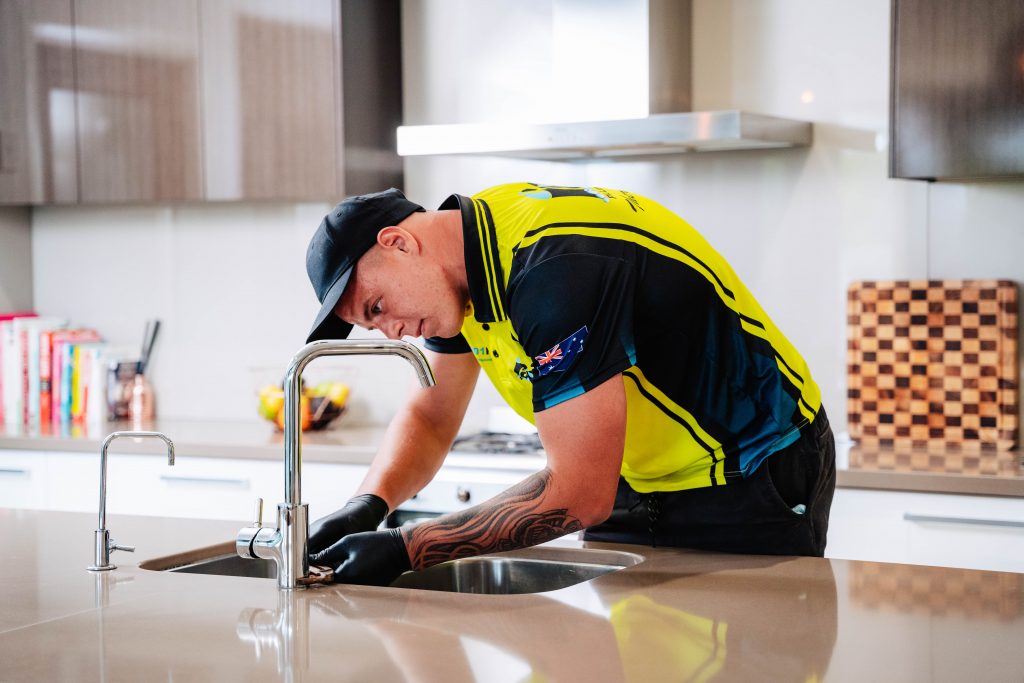
There is no single fixed price for every leak detection job.
As a broad Australian guide, professional leak detection may cost approximately $168 to $400, with more complicated investigations potentially costing more.
The final amount depends on several factors, including:
- where the suspected leak is located
- how large the property is
- whether the leak is inside or outside
- how easy the plumbing is to access
- the type of diagnostic equipment required
- how much testing is necessary
- whether multiple plumbing lines need to be isolated
- whether the service is booked during normal hours or as an emergency
- whether repair work is completed during the same visit
A straightforward leak beneath a sink, for example, is very different from trying to locate a pressurised water leak beneath a driveway or concrete slab.
That is why the plumber may need to inspect the property before confirming the full cost.
What Is Normally Included in Leak Detection?
Professional leak detection is more than simply looking for a wet patch.
A plumber will generally work through the property systematically to determine whether water is escaping and narrow down the likely source.
Depending on the situation, the service may include several of the following steps.
Initial Plumbing Assessment
The plumber will normally begin by discussing what has been happening.
You may be asked:
- When did your water bill start increasing?
- When did you first notice dampness?
- Does the water meter keep moving?
- Has water pressure changed?
- Have you heard water running when fixtures are off?
- Have you noticed wet areas outside?
- Has any renovation, drilling or landscaping recently been completed?
These details can help determine where the investigation should begin.
Inspection of Accessible Plumbing
Visible plumbing is normally checked before specialised equipment is used.
This can include:
- taps
- toilets
- flexi hoses
- plumbing under sinks
- washing machine connections
- outdoor taps
- hot water systems
- exposed pipes
- accessible valves and fittings
Sometimes what appears to be a hidden leak turns out to be an accessible plumbing problem.
Identifying that early may avoid unnecessary testing.
Water Meter Testing
Your water meter can help establish whether water continues flowing when everything inside the property should be turned off.
The plumber may:
- turn off water-using fixtures and appliances
- record the meter reading
- monitor the meter for movement
- compare the readings
If the meter continues registering usage, there may be leakage somewhere in the plumbing system.
The meter cannot identify the exact location, but it provides useful evidence that further investigation is needed.
Pressure Testing
Pressure testing may be used to determine whether a section of the water system is losing pressure.
The plumber can isolate parts of the plumbing and monitor what happens.
If pressure falls when no water should be flowing, that section may contain a leak.
This can significantly reduce the area that needs further investigation.
Acoustic Leak Detection
Water escaping from a pressurised pipe often produces vibrations.
Specialised acoustic equipment can help plumbers listen for these sounds through surfaces such as:
- walls
- floors
- concrete
- paving
- soil
Readings may be taken from several areas.
The point where the sound becomes strongest can help narrow down the location of the damaged pipe.
Thermal Imaging
Thermal imaging cameras detect temperature differences across surfaces.
A leaking hot or cold water pipe may create unusual temperature patterns across:
- walls
- ceilings
- flooring
- cabinetry
- concrete surfaces
It is important to understand that thermal cameras do not literally see through walls.
They detect surface temperature changes that can provide additional clues about what may be happening behind the surface.
Moisture Testing
Moisture meters may also be used when there are signs of water damage inside the property.
Testing may identify unusually high moisture levels in:
- plasterboard
- timber
- ceilings
- skirting boards
- flooring
- cabinetry
These readings can help determine how far moisture has travelled and where the source may be located.
Is Leak Repair Included in the Detection Price?
Not necessarily.
This is one of the most important things to clarify before booking.
Leak detection and leak repair are two different stages.
Leak Detection
The purpose of leak detection is to establish:
- whether a leak appears to exist
- which plumbing line may be affected
- where the leak is most likely located
- what may be required to access it
Leak Repair
Once the source has been located, repair may involve:
- replacing a damaged fitting
- repairing a leaking joint
- replacing a section of pipe
- opening plasterboard
- lifting flooring
- accessing cabinetry
- breaking a targeted section of concrete
- excavating soil
- accessing pipes beneath paving
- rerouting damaged pipework
These repairs involve additional labour and materials, so they may be quoted separately.
Before agreeing to a leak detection service, ask whether the quoted amount is for diagnosis only or whether any repair work is included.
What Affects the Cost of Leak Detection in Quakers Hill?
Two homes can have similar symptoms but very different investigation costs.
Here are some of the biggest factors.
1. Where the Leak Is Located
An accessible leak is usually easier to diagnose than one hidden beneath a building.
Leaks may occur:
- behind walls
- above ceilings
- under floors
- beneath concrete slabs
- underground
- beneath driveways
- under landscaping
- around bathrooms
- around laundries
- near hot water systems
The more concealed the plumbing is, the more testing may be required.
2. Type of Leak
Not every leak behaves the same way.
A plumber may be investigating:
- a pressurised water pipe leak
- a hot water pipe leak
- an underground supply line
- a leaking fixture
- a leaking fitting
- a concealed pipe connection
- a pipe beneath concrete
Different problems may require different diagnostic methods.
3. Size of the Property
A larger home or commercial property normally contains more plumbing.
If the water loss could be occurring across several bathrooms, kitchens, outdoor areas or separate plumbing zones, narrowing down the source may take longer.
4. Access
Accessibility can make a significant difference.
A pipe behind removable cabinetry is much easier to reach than one beneath:
- reinforced concrete
- tiled flooring
- a driveway
- permanent cabinetry
- landscaping
- a finished wall
Poor access does not necessarily make detection impossible, but it can make the investigation and eventual repair more involved.
5. Equipment Required
Some leaks may be identified using basic plumbing tests.
Others may require equipment such as:
- acoustic listening devices
- thermal imaging cameras
- electronic detection equipment
- pressure testing equipment
- moisture meters
The investigation method used will depend on the suspected leak.
6. Time Required to Locate the Leak
A clear leak may be narrowed down relatively quickly.
Intermittent or very small leaks can be harder to trace.
Additional time may also be required when water has travelled away from the original source.
For example, a wet patch on a wall does not necessarily mean that the pipe directly behind that patch is leaking.
Water can travel along:
- wall framing
- pipes
- concrete
- flooring
- ceiling cavities
- soil
The visible damage may therefore appear some distance from the actual leak.
7. Emergency or After-Hours Attendance
If water is actively flooding your property, waiting until the next business day may not be practical.
However, emergency plumbing generally costs more than standard weekday attendance.
Australian plumbing cost guides indicate that NSW emergency call-out fees and hourly charges may be significantly higher outside normal business hours.
If the leak can safely be isolated until normal business hours, ask whether scheduling a standard appointment will affect the price.
If water is causing rapid property damage, approaching electrical systems or cannot be controlled, cost should not be the only consideration.
What Does a Leak Detection Visit Usually Look Like?
Although every job is different, the process often follows several stages.
Step 1: Explain the Problem
Tell the plumber what you have noticed.
Useful information includes:
- changes in your water bill
- meter movement
- damp patches
- unusual smells
- water stains
- pressure changes
- unusual plumbing sounds
- wet areas outside
The more specific you can be, the easier it may be to narrow down the search.
Step 2: Check the Obvious Sources
Accessible fixtures and plumbing connections are usually inspected first.
There is little point searching beneath concrete if the water loss is coming from a faulty toilet valve or flexi hose.
Step 3: Confirm Whether Water Is Being Lost
Meter testing, pressure testing or other checks may be used to establish whether the plumbing system appears to be losing water.
Step 4: Narrow Down the Plumbing Section
Different sections of the plumbing system may be isolated and tested.
This helps determine whether the problem is likely to be inside the home, outside the home or associated with a particular water line.
Step 5: Use Detection Equipment
Depending on the suspected location, the plumber may use acoustic testing, moisture testing, thermal imaging or other diagnostic equipment.
Step 6: Identify the Most Likely Location
Rather than relying on one test alone, several observations may be combined.
The goal is to identify the smallest practical area for further investigation.
Step 7: Discuss Access and Repair
Once the likely leak location has been identified, the plumber can explain:
- where the leak appears to be
- what needs to be opened or accessed
- what repair may be required
- whether additional work is necessary
- what the repair is likely to cost
Does Leak Detection Mean My Walls or Floors Won’t Be Opened?
Not necessarily.
Non-invasive leak detection can help significantly reduce unnecessary damage, but the damaged pipe still needs to be physically reached for repair.
If the leak is:
- behind plasterboard
- under flooring
- beneath a concrete slab
- under paving
- underground
some targeted access may still be necessary.
The advantage of professional leak detection is that the plumber can narrow down where that access should occur.
Without proper investigation, someone may end up:
- cutting several holes in walls
- lifting unnecessary flooring
- breaking large sections of concrete
- digging along an entire underground pipe
Accurate detection can make the repair much more targeted.
How Much Does It Cost to Repair a Leak After It Is Found?
The repair cost depends heavily on what the plumber discovers.
A small accessible fitting or pipe repair may be relatively straightforward.
A pipe beneath concrete or a driveway can be considerably more involved.
Repair costs may include:
- plumber labour
- replacement pipe
- fittings
- valves
- excavation
- concrete cutting
- wall access
- flooring access
- additional diagnostic work
There may also be separate restoration costs after the plumbing has been repaired.
For example, you may eventually need:
- plasterboard repairs
- repainting
- new flooring
- cabinet repairs
- concrete restoration
- landscaping repairs
- mould remediation
This is why a quote for leak detection should not automatically be treated as the total cost of solving the entire problem.
Behind-the-Wall Leak Detection
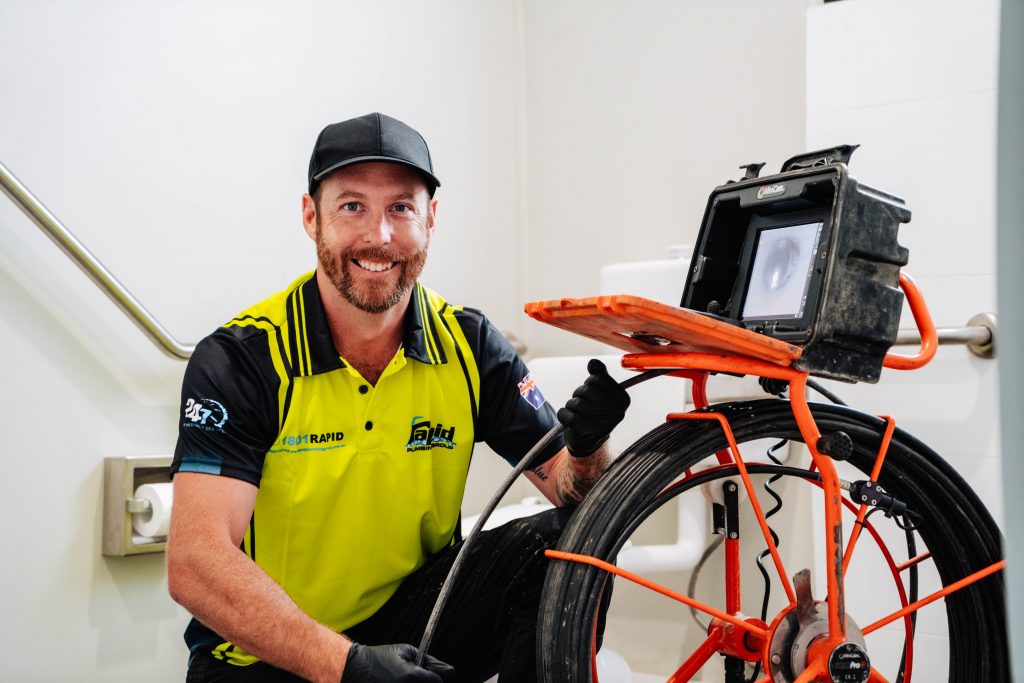
Leaks behind walls are among the most common reasons homeowners seek professional detection.
Possible signs include:
- bubbling paint
- peeling paint
- soft plasterboard
- staining
- swollen skirting boards
- mould
- musty smells
- recurring damp patches
The difficulty is that water may move inside the wall cavity before becoming visible.
Opening the wall directly where the stain appears does not always reveal the leaking pipe.
Moisture readings, thermal patterns, pressure testing and other diagnostic methods can help narrow down the location before access is created.
Leak Detection Under Concrete Slabs
Slab leaks can be more difficult because the plumbing is not immediately accessible.
Possible signs include:
- unexplained meter movement
- increasing water bills
- warm areas on flooring
- damp flooring
- recurring moisture
- pressure changes
- water surfacing near concrete
Finding the likely leak location before opening concrete is particularly important.
The aim is not necessarily to avoid concrete work altogether.
It is to minimise how much concrete needs to be disturbed.
Underground Leak Detection
The pipe between your water meter and home may run underneath:
- gardens
- lawns
- paths
- driveways
- paving
- landscaped areas
Possible signs of an underground leak include:
- wet soil during dry weather
- unexplained puddles
- soft or muddy ground
- sections of grass growing faster
- unusually green patches
- water appearing around paving
- unexplained water meter movement
Water can travel considerable distances through soil.
That means the location where water appears at the surface may not be directly above the damaged pipe.
Professional detection can help narrow down the excavation area before digging begins.
Can You Check for a Leak Before Paying for Professional Detection?
Yes.
There are a few simple checks homeowners can perform first.
Check Your Water Meter
Turn off:
- taps
- washing machines
- dishwashers
- irrigation
- outdoor taps
- other water-using fixtures
Make sure toilets are not actively filling.
Then check the meter.
If it continues registering water use, there may be a leak somewhere.
Check Toilets
A leaking toilet can waste a surprising amount of water while remaining relatively quiet.
Look and listen for continuous water flow into the bowl or cistern.
Inspect Under Sinks
Check:
- flexi hoses
- isolation valves
- traps
- pipe connections
Look for moisture, staining or swelling inside cabinetry.
Check Outside
Inspect:
- garden taps
- irrigation
- meter connections
- wet soil
- unexplained puddles
If no obvious source explains the water loss, professional leak detection becomes more useful.
Is Paying for Leak Detection Worth It?
If the alternative is guessing where a concealed pipe is leaking, professional detection can be worthwhile.
Consider a pipe beneath a concrete floor.
Without detection, someone may start opening concrete based only on the location of visible moisture.
But the water may have travelled several metres before reaching that point.
A more systematic investigation can help reduce:
- unnecessary demolition
- unnecessary excavation
- labour
- property disruption
- restoration work
- time spent searching for the pipe
Detection itself is an additional plumbing expense, but it may make the eventual repair much more targeted.
When Should Leak Detection Be Treated as Urgent?
A higher-than-normal water bill does not necessarily mean you need emergency attendance.
However, seek urgent plumbing help when:
- a pipe has burst
- water is actively flooding the property
- a ceiling is becoming saturated or sagging
- water is close to electrical outlets or equipment
- the leak cannot be controlled
- property damage is increasing quickly
- the main water supply needs to remain shut off
- essential plumbing cannot be used
If water is near electrical equipment, avoid touching affected switches, outlets or appliances.
What Should You Ask Before Booking Leak Detection?
Before accepting a quote, ask what the price actually includes.
Useful questions include:
Is there a call-out fee?
Find out whether this is included in the quoted leak detection price.
Is the price fixed or hourly?
Some plumbers charge a fixed diagnostic fee, while others may charge according to the time required.
What testing is included?
Ask whether the quote covers meter testing, pressure testing or specialised equipment if required.
Is repair included?
Do not assume that locating the leak automatically includes repairing it.
Will I receive a quote before repair work begins?
This allows you to understand the next stage before additional costs are incurred.
Are after-hours fees different?
Ask before booking an emergency or weekend appointment.
What happens if access is required?
Find out whether opening walls, concrete, flooring or outdoor surfaces would be quoted separately.
How to Keep Leak Detection Costs Under Control
You cannot always control where a pipe fails, but there are ways to make the investigation more efficient.
Provide as Much Information as Possible
Tell the plumber:
- when the problem started
- where moisture appears
- whether the meter moves
- whether your bill changed
- whether water pressure changed
- whether the leak appears continuous
Check Accessible Fixtures First
Rule out obvious sources before paying for specialist investigation.
Keep Previous Water Bills
Comparing water usage can help establish whether consumption has genuinely changed.
Don’t Ignore Early Symptoms
A hidden leak may continue running every hour of every day.
Delaying investigation can increase:
- water consumption
- property damage
- restoration costs
Ask for Upfront Pricing
Always confirm what the diagnostic price covers before work begins.
Leak Detection Cost Checklist
Before booking, confirm:
- Call-out fee
- Leak detection or inspection fee
- Whether labour is included
- Whether specialised equipment is included
- Whether pressure testing is included
- Whether repair is included
- Potential materials costs
- Potential access costs
- Emergency or after-hours charges
- Whether a separate repair quote will be provided
Knowing these details makes it much easier to compare plumbers based on the actual service being offered rather than the headline price alone.
Key Takeaways
Professional leak detection in Quakers Hill may broadly cost around $168 to $400 or more, depending on the complexity of the investigation, although actual quotes will vary from property to property.
The quoted price may include an initial inspection, water meter testing, pressure testing and specialised diagnostic methods where appropriate.
However, leak detection and leak repair are not necessarily included in the same price.
If the damaged pipe is behind a wall, beneath flooring, underground or below concrete, additional costs may apply for access, labour, materials and repair.
The value of professional detection is accuracy.
Rather than removing walls, flooring or concrete based on guesswork, a plumber can narrow down the likely source first and make the eventual repair more targeted.
Before booking, ask exactly what is included, whether the repair will be quoted separately and whether call-out or after-hours charges apply.
Need Leak Detection in Quakers Hill?
If your water meter keeps moving when everything is turned off, your water bill has increased unexpectedly or moisture is appearing somewhere it shouldn’t, locating the source sooner can help limit further water waste and property damage.
Local Quakers Hill Plumber provides plumbing services throughout Quakers Hill and surrounding areas. The business advertises upfront pricing, licensed and experienced plumbers, and 24/7 plumbing availability.
Whether the suspected leak is behind a wall, beneath flooring, under concrete or somewhere along an underground water line, the first step is determining where the water is actually escaping.
Accurate investigation can help make the repair more focused and reduce unnecessary disruption around your property.
Frequently Asked Questions
How much does leak detection cost in Quakers Hill?
As a broad guide, professional leak detection may cost around $168 to $400 or more, depending on the type and location of the leak, the equipment required and how long the investigation takes. More complex underground or concealed leaks can cost more.
What is included in a leak detection service?
A leak detection service may include a plumbing inspection, water meter testing, pressure testing, acoustic leak detection, thermal imaging and moisture testing. The exact methods depend on the suspected location and type of leak.
Is repairing the leak included in the detection cost?
Not always. Leak detection identifies or narrows down the source, while repairing the damaged pipe may involve separate labour, materials and access costs. Ask your plumber what is included before work begins.
Does leak detection include a plumber call-out fee?
This depends on the company. Some businesses include the call-out within their quoted diagnostic price, while others charge it separately. Confirm the pricing structure when booking.
Why can underground leak detection cost more?
Underground leaks may require additional testing because the pipe cannot be inspected directly. The plumber may need to test several areas before identifying where excavation should occur.
Can a plumber detect a leak behind a wall without cutting it open?
Diagnostic equipment can often help narrow down the likely location before the wall is opened. However, targeted access may still be necessary to physically repair the damaged pipe.
Does thermal imaging find the exact location of a leak?
Not by itself. Thermal imaging identifies unusual surface temperature patterns that may indicate moisture or leaking hot or cold water pipes. Plumbers may combine thermal imaging with other testing methods.
How long does leak detection take?
Simple problems may be identified relatively quickly, while concealed, intermittent or underground leaks can take longer. Property size, pipe location and the number of plumbing lines that require testing can all affect the time required.
Will leak detection prevent my concrete from being broken?
Not necessarily. If a damaged pipe is beneath concrete, some access may still be required for repair. Leak detection helps narrow down where that access should be made so unnecessary sections are not disturbed.
Can I check for a hidden leak myself first?
Yes. Turn off all fixtures and water-using appliances and monitor your water meter. If it continues registering usage, check accessible toilets, taps and outdoor plumbing. If you cannot identify the source, professional investigation may be required.
Is emergency leak detection more expensive?
It can be. After-hours, weekend and emergency plumbing generally carries higher call-out and labour charges than standard weekday appointments.
What causes hidden water leaks?
Common causes include ageing pipework, failed fittings, corrosion, excessive water pressure, ground movement, damaged underground pipes and accidental damage during renovations or landscaping.
Should I get leak detection if my water bill suddenly increases?
If your household usage has not changed and there is no obvious explanation for the increase, checking your meter and plumbing is worthwhile. Continuous meter movement when fixtures are off may indicate hidden water loss.
When should I call a plumber for leak detection in Quakers Hill?
Arrange an inspection when you notice unexplained water usage, continuous meter movement, recurring dampness, unusual plumbing sounds, reduced pressure or unexplained wet areas around your property. Seek urgent assistance if water is actively flooding the property or threatening electrical equipment.