Toilet Repairs Plumber Quakers Hill: Choosing a Replacement Suite That Lasts
| Quick answer: A toilet repairs plumber in Quakers Hill can fix most everyday faults in one visit, including a running cistern, a weeping inlet valve, a worn flush washer or a leaking pan collar. Replacement becomes the smarter option when the pan or cistern is cracked, when spare parts for the model are no longer available, or when the same repair keeps coming back. If you are replacing, the suite that lasts is the one that matches your existing set-out and trap type, uses a properly glazed vitreous china pan, and has cistern internals you will still be able to buy in five years. |
On this page
- Repair or replace: how a plumber decides
- Measure first: set-out and trap type decide what fits
- Close-coupled, back-to-wall or concealed cistern
- What actually makes a toilet suite last
- Installation details that prevent call-backs
- Looking after the new suite
- Frequently asked questions
Nobody plans a toilet replacement
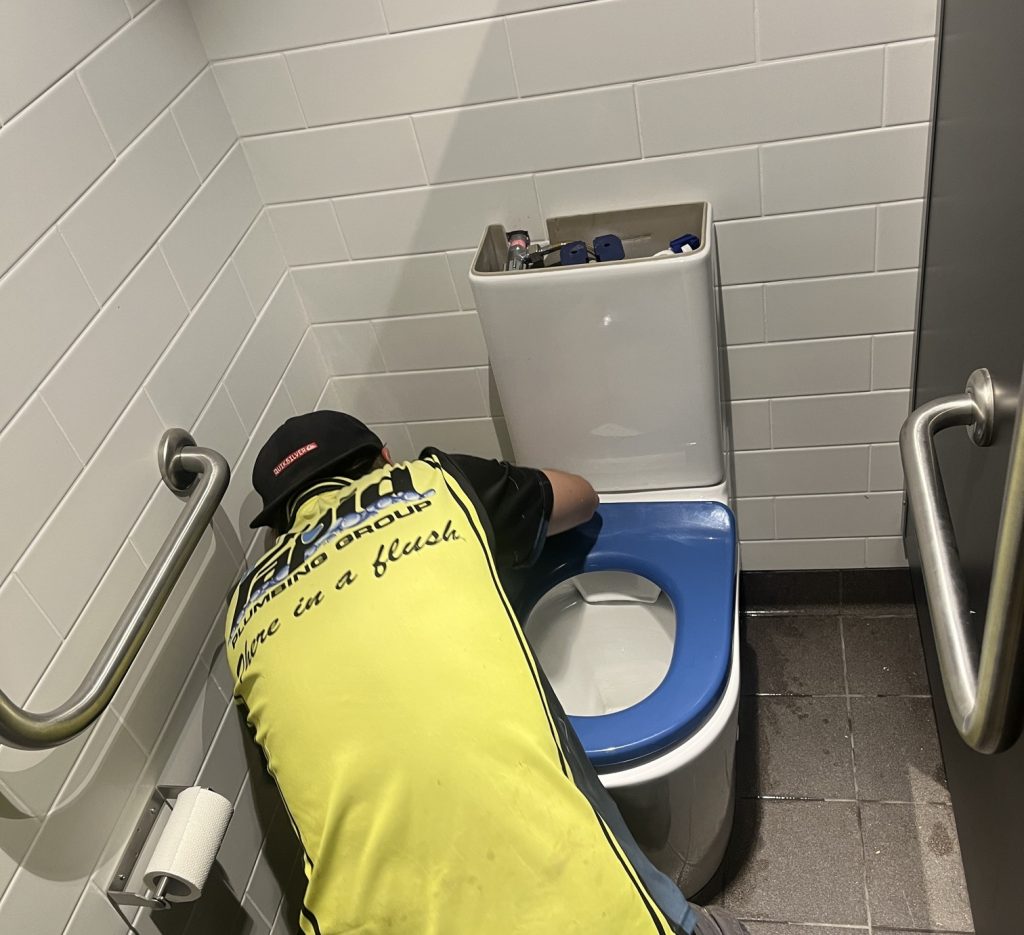
Most people do not go shopping for a toilet. They go looking for a toilet repairs plumber in Quakers Hill because the cistern has been hissing for a fortnight, or because there is a damp ring on the vinyl behind the pan, and somewhere in that conversation the word “replace” comes up. That is usually the first time anyone thinks about set-outs, trap types or WELS ratings.
It is worth slowing down at that point. A toilet suite is one of the cheaper fixtures in the house and one of the hardest working. A good one, correctly installed, quietly gets on with it for fifteen or twenty years. A poorly matched one means a wonky pan, a flush that never quite clears, or internals nobody stocks by the time they fail.
| Still weighing it up? If you are not sure whether your toilet needs a part or a full replacement, have a look at the range of plumbing services from Local Quakers Hill Plumber, or read our guide to fair plumbing costs in Quakers Hill before you commit to anything. |
Repair or replace: how a plumber decides
Plenty of toilet faults are genuinely small. A plumber will usually recommend repair when the problem sits in the cistern or at a connection rather than in the ceramic itself. Running cisterns, weak flushes, slow filling, weeping hoses and loose fixings are all everyday parts-and-labour jobs. A pan that rocks on the floor usually just needs packing and refixing.
Replacement starts to make more sense when the issue is structural or when the parts have run out:
- A crack in the pan or cistern. Ceramic cannot be reliably repaired. Hairline cracks travel, and a crack below the waterline leaks slowly enough that the first sign is often a soft or stained floor.
- Obsolete internals. If nobody stocks the valve set for your cistern, any fix is temporary at best.
- A single-flush cistern. Older single-flush suites use noticeably more water than a modern dual-flush model, so replacement can pay for itself over time.
- Repeated repairs. Two or three call-outs in a year on the same suite is money better spent on a new one.
- Worn or crazed glaze. Once the surface goes, it holds stains no matter how hard you scrub.
One caveat: not every toilet problem is a toilet problem. If the bowl drains slowly, or other fixtures gurgle when you flush, the fault may be further down the line. Our article on telling a blocked toilet from a blocked drain covers how to spot the difference, and a new suite will not fix a blocked drain sitting underneath it.
Measure first: set-out and trap type decide what fits
This is where most DIY toilet purchases come unstuck. Two suites can look identical in the showroom and only one of them will connect to your drain without modification.
What set-out means
Set-out is the distance from the finished wall behind the toilet to the centre of the pan outlet. The pipe in your floor is already fixed in place, so the new pan has to be built for that measurement or the job turns into drainage work.
Australian suites come in a handful of standard set-outs, with 140mm and 165mm among the most widespread. Some manufacturers also offer adjustable connectors covering a range, which is useful in older homes where the set-out is an odd number. Measure to the finished wall, not the skirting board, and do it before you fall in love with a particular model.
S-trap, P-trap and skew
The trap type describes which way the waste leaves the pan. An S-trap goes down through the floor and is the most common arrangement in Australian homes, so the horizontal set-out is what matters. A P-trap goes back through the wall, and there the critical measurement is the height from the finished floor to the centre of the outlet. A skew outlet exits at an angle and turns up mostly in older properties.
You cannot swap between trap types by buying a different pan. Changing from S-trap to P-trap or the reverse means altering the drainage, which is real plumbing work. It is doable, and sometimes it is the right call during a renovation, but it is not a same-afternoon job.
Close-coupled, back-to-wall or concealed cistern
Close-coupled suites sit the cistern directly on the pan. Widely available, everything is accessible, parts are easy to source, repairs are straightforward. The downside is the gap behind and between the pan and cistern, which collects dust.
Back-to-wall and wall-faced pans sit flush against the wall, hiding the S-trap. Much easier to clean around and tidier to look at. The cistern is still accessible on most models, so serviceability stays good, but the set-out has to suit the specific model.
Concealed cisterns hide inside the wall cavity, leaving only the pan and flush plate visible. The look is excellent and the floor space is generous. The trade-off is access: future repairs go through the inspection panel behind the flush plate, with limited room to work. Choose a brand with a strong local parts network, and make sure the plumber leaves the access panel genuinely usable rather than tiled over.
Wall-hung pans mount on a concealed frame with nothing touching the floor. Easiest of all to clean under, but they need solid framing and carry the same access considerations.
If your toilet is part of a wider bathroom job, it is worth reading our notes on renovating with a licensed plumber, because concealed and wall-hung systems are far easier to plan for at rough-in than to retrofit later.
| Comparing a few options? If you have narrowed it down to two or three suites and want to know which will actually fit, send through the measurements and a photo. A licensed plumber can tell you in a couple of minutes whether a model will connect cleanly or whether the drainage needs work first. Call (02) 9158 3597 and ask before you buy. |
What actually makes a toilet suite last
The pan and the glaze
Vitreous china is the standard for good reason. It is fired hard and non-porous, which is what keeps the surface cleanable for years. Some manufacturers add a treated glaze that resists staining, and whether that premium is worth paying depends on the price gap, but the base material should not be a compromise. Run your hand around the rim in the showroom: the finish should feel uniformly smooth, with no gritty patches or pinholes.
Cistern internals and parts availability
This is the single biggest predictor of how long a suite stays serviceable. Inlet and outlet valves are consumables. They will need replacing at some point, and the question is whether your plumber can walk into a supplier and buy the part.
Established brands with a long local presence tend to keep valve sets available for years after a model is discontinued. Very cheap imported suites, particularly store-label ones, can be a gamble. Ask the retailer whether replacement inlet and outlet valves are stocked separately. If the answer is vague, treat that as information.
Seat, hinges and flush rating
The seat fails first in a busy household. Look for metal hinge fixings rather than all-plastic ones, and check the seat is a standard size that can be replaced independently of the pan.
Every toilet sold in Australia carries a WELS water efficiency label, and more stars means less water per flush. Many 4-star dual-flush suites use in the vicinity of 4.5 litres on a full flush and 3 litres on a half flush, but the figures for any given model are printed on its label, so check rather than assume. There is a balance to strike, though: a very low flush volume paired with a poorly designed bowl can mean double flushing, which defeats the purpose.
Installation details that prevent call-backs

A well-chosen suite installed badly will still give you trouble. In NSW, plumbing work needs to be carried out by a licensed plumber, and there are good reasons beyond compliance. The details that separate a clean install from a call-back:
- Correct pan connector and seal. This is where slow, hidden leaks start.
- Level and packed, not just bolted down. Tightening bolts to pull a pan level on an uneven floor is how ceramic cracks.
- Silicone applied properly, without trapping water underneath, and with a weep point at the back so a future leak becomes visible instead of soaking into the floor.
- A working isolation valve, so the next repair does not mean shutting off the whole house.
- Cistern water level set correctly. Too low and the flush is weak, too high and it trickles into the overflow.
- The drain checked while the outlet is exposed, which is the one moment it is visible.
Where those steps have been skipped on a previous install, the symptoms show up as a persistent damp smell, a slightly soft floor, or a stain that keeps returning on a ceiling below. Our guide to how plumbers find hidden leaks without digging explains how those jobs are approached.
Looking after the new suite
- Flush only what belongs down there. Wipes and sanitary products cause most avoidable blockages, whatever the packet says about flushability.
- Skip in-cistern cleaning blocks. The chemicals sit against rubber seals and shorten their life. Clean the bowl instead.
- Avoid abrasive powders and harsh acids on the glaze. A non-abrasive cleaner and a brush is plenty.
- Do not sit or stand on the pan or cistern. Ceramic handles point loads poorly.
- Act on a running cistern quickly. It can waste a surprising volume over a quarter and is one of the cheapest faults to fix early.
Key takeaways
- Most cistern and connection faults are repairable. Cracked ceramic, obsolete parts and repeat call-outs point toward replacement.
- Measure the set-out and identify the trap type before you shop. That determines what will actually fit.
- Concealed and wall-hung systems look excellent, but plan for cistern access before you commit.
- Vitreous china, available spare parts and a decent seat matter more to longevity than styling.
- Installation quality decides whether the suite is trouble-free or a recurring call-out.
| Ready to sort it out? Whether you need a straightforward repair or a full suite measured, supplied and installed, Local Quakers Hill Plumber handles toilet work across Quakers Hill and the surrounding Blacktown suburbs. Call (02) 9158 3597 or get in touch here to book a licensed plumber. If water is actively leaking and you cannot stop it at the isolation valve, ask for an emergency plumber and shut off the mains in the meantime. |
Frequently asked questions
How long should a toilet suite last?
The ceramic itself can last decades if it is not cracked or chipped. The working parts have a much shorter life, with cistern valves and seals typically needing replacement every several years depending on water quality and use. Most households replace the whole suite somewhere between fifteen and twenty-five years, usually when parts get hard to find or the bathroom is being renovated.
Can I replace a toilet myself in NSW?
Plumbing work in NSW is regulated and needs to be carried out by an appropriately licensed plumber. Beyond the legal side, a botched pan connection can leak into the floor for months before anyone notices, and that repair costs far more than the original installation. Swapping a seat is fine to do yourself. Anything involving the pan, the cistern connection or the drain is not.
Will a new toilet fix my slow flush?
Only if the cause is the toilet. If the bowl drains slowly, other fixtures gurgle, or the problem affects more than one fixture, the issue is more likely in the drain line. A plumber will usually check the drainage before recommending a new suite, because installing one over an underlying blockage just moves the problem along.
What is the difference between S-trap and P-trap?
An S-trap discharges down through the floor, while a P-trap discharges back through the wall. Your existing drainage determines which one you need, and you cannot substitute one for the other by buying a different pan. Changing between them means altering the drain, which is a bigger job that should be planned rather than discovered on installation day.
Is a concealed cistern harder to repair?
Generally yes, though not dramatically so if it has been installed thoughtfully. Access is through the inspection opening behind the flush plate, which limits working room. Choosing a brand with readily available parts, and making sure the access panel stays genuinely accessible rather than tiled over, makes a real difference to future repairs.
How do I know if my toilet is leaking without seeing water?
Watch for a faint trickling between flushes, a water bill that has climbed for no obvious reason, softness or discolouration in the floor around the base, or a musty smell. A simple check is to add a few drops of food colouring to the cistern and leave it without flushing. If colour appears in the bowl after twenty minutes or so, the outlet valve is passing water. For a suspected leak at the base, have a plumber look, since those tend to cause damage well before they become visible.
How much does toilet replacement cost in Quakers Hill?
It depends on the suite, whether the set-out matches, whether drainage work is needed, and how the old unit is disposed of. A like-for-like swap is a much shorter job than a change of trap type or a concealed cistern install. A plumber needs to see the space to give a firm figure, and any quote given sight-unseen is a guess. Our guide to fair plumbing costs sets out what usually drives the price. For work beyond toilets, the team also covers general plumbing repairs across the local area.