Emergency Leak Detection in Quakers Hill: When Minutes Matter
| Quick answer: Emergency leak detection in Quakers Hill is the urgent process of locating a hidden or fast-moving water leak before it damages floors, walls, ceilings or foundations. If you can see water spreading, hear water running with every tap off, or notice a sudden damp patch, turn off the water at the meter and call a licensed plumber straight away. Local Quakers Hill Plumber offers 24/7 emergency callouts on 02 9158 3597. |
In this guide
- Why minutes matter with a hidden leak
- Signs you need emergency leak detection in Quakers Hill
- What to do in the first 15 minutes
- How plumbers find leaks fast without tearing the house apart
- Common sources of emergency leaks in Quakers Hill homes
- Emergency or book-in? How to tell the difference
- Frequently asked questions
A leak you can see is stressful. A leak you cannot see is worse, because every minute you spend guessing where the water is going is another minute it spends soaking into plasterboard, timber and concrete. By the time a stain shows up on the ceiling or the carpet squelches underfoot, the water has usually been travelling for a while.
That is why emergency leak detection in Quakers Hill is less about fixing a pipe and more about finding the problem quickly and accurately. Once the source is pinpointed, the repair is often straightforward. The expensive part is almost always the damage that builds up while nobody knows where the leak is.
This guide walks through the warning signs that justify an urgent callout, the steps you can take yourself right now to limit damage, and how a licensed plumber tracks down a hidden leak without ripping out half your home.
Why minutes matter with a hidden leak

Water does not sit still. A pressurised supply line that has split behind a wall keeps pushing water out for as long as the mains are on. That water follows gravity and the path of least resistance, which means it can pool well away from the actual break. A leak in an upstairs bathroom might show up as a stain above the kitchen. A slab leak might announce itself as a warm spot on a tiled floor in a completely different room.
The longer it runs, the more it tends to cost. In the early stages you might be looking at a single pipe repair and some drying out. Left for hours or days, the same leak can mean swollen skirting boards, lifted flooring, damaged cabinetry, electrical hazards where water meets wiring, and the kind of lingering damp that encourages mould. Acting fast will not always prevent every bit of damage, but in many cases it keeps a manageable repair from turning into a renovation.
There is also the water bill to think about. A constant leak on the supply side runs around the clock, and you pay for every litre that passes through the meter whether you use it or not.
| Not sure if you have a leak yet? If you are seeing early warning signs rather than an obvious emergency, our guide to the signs you need leak detection in Quakers Hill before your water bill spikes can help you work out what is going on and how urgent it is. |
Signs you need emergency leak detection in Quakers Hill
Some leaks can wait for a booked appointment. Others cannot. These are the signs that point towards calling someone today rather than next week.
Water you can hear but not see
If every tap, toilet and appliance in the house is off and you can still hear hissing or running water in a wall, under the floor or in the ceiling, something is escaping from a pressurised line. That sound usually means a steady flow, not a slow drip.
A water meter that keeps moving
This is one of the simplest tests you can do. Turn off everything that uses water, then look at your meter. If the dial or digits are still moving, water is leaving the system somewhere. A fast-moving meter with nothing running is a strong sign of a significant leak.
Sudden stains, bubbling paint or sagging ceilings
A brown stain that grows over a few hours, paint that bubbles or blisters, or plasterboard that sags are all signs of water collecting behind the surface. A sagging ceiling in particular can be dangerous, so keep people and pets out from underneath it.
Warm patches on the floor
A warm spot on tiles or concrete, especially near the hot water system or in a bathroom, can point to a hot water line leaking under the slab. Our article on slab leaks in Quakers Hill and how leak detection works under concrete explains why these need careful handling.
A sudden drop in water pressure
If pressure falls away across the house without warning, water may be escaping before it reaches your taps. Combined with any of the other signs above, it is worth treating as urgent.
Soggy ground or water bubbling up outside
A patch of lawn that stays wet in dry weather, or water pooling along the driveway, can mean a broken service line between the meter and the house. A plumber can confirm whether it is a water main leak or ordinary runoff.
What to do in the first 15 minutes
While you wait for a plumber, a few quick actions can make a real difference to how much damage you are left with.
- Turn off the water at the main. In most Quakers Hill homes the main stopcock sits at the water meter near the front boundary. Turn it clockwise until it stops. If you do not know where yours is, now is a good time to find out, before you need it.
- Switch off power to affected areas. If water is near power points, light fittings or appliances, turn off the relevant circuits at the switchboard. If you are unsure or the switchboard itself is wet, stay clear and let a professional handle it.
- Turn off the hot water system if the leak involves hot water. For electric systems, switch it off at the board. For gas systems, turn the unit to the off or pilot setting according to the manufacturer’s instructions.
- Move valuables and catch what you can. Shift furniture, rugs and electronics out of the way and put buckets or towels under active drips.
- Take photos. Photograph stains, pooling water and any visible damage. This can help your plumber and may be useful if you make an insurance claim.
- Call a licensed plumber. Explain what you can see and hear, and whether you managed to shut off the water.
If the leak is a visibly burst pipe rather than a hidden one, our guide on what to do during a burst pipe goes into more detail on containing the water.
| Weighing up your options? Local Quakers Hill Plumber is a family owned, licensed team that handles everything from hidden leaks to full pipe repairs. See how our 24/7 emergency plumbing service works, or get in touch to talk through what you are seeing before you commit to anything. |
How plumbers find leaks fast without tearing the house apart
The old approach to a hidden leak was to open up walls and floors until you found it. That still happens occasionally, but modern leak detection is far more targeted. The aim is to narrow the search down to a small area first, so any opening that is needed is as small as possible.
Isolation and pressure testing
A plumber will often start by isolating sections of the pipework and testing whether each one holds pressure. If a section loses pressure, the leak is in that run. This quickly rules out large parts of the house and tells the plumber whether the problem is on the hot side, the cold side, or the line coming in from the street.
Acoustic detection
Water escaping from a pressurised pipe makes a distinctive sound. Sensitive listening equipment can pick this up through concrete, tiles and walls, helping a plumber pinpoint where the noise is loudest.
Thermal imaging
Thermal cameras show temperature differences across a surface. They are especially useful for hot water leaks, which show up as warm zones, and can also reveal the cooler patterns left by damp areas behind plasterboard.
Moisture mapping
Moisture meters measure how wet building materials are. Taking readings across a wall or floor helps map how far the water has spread, which matters both for finding the source and for planning drying and repairs.
Each method has strengths and limits, and experienced plumbers often combine them. For a closer look, see acoustic, thermal and pressure testing compared and our explainer on how plumbers find hidden leaks without digging.
Common sources of emergency leaks in Quakers Hill homes
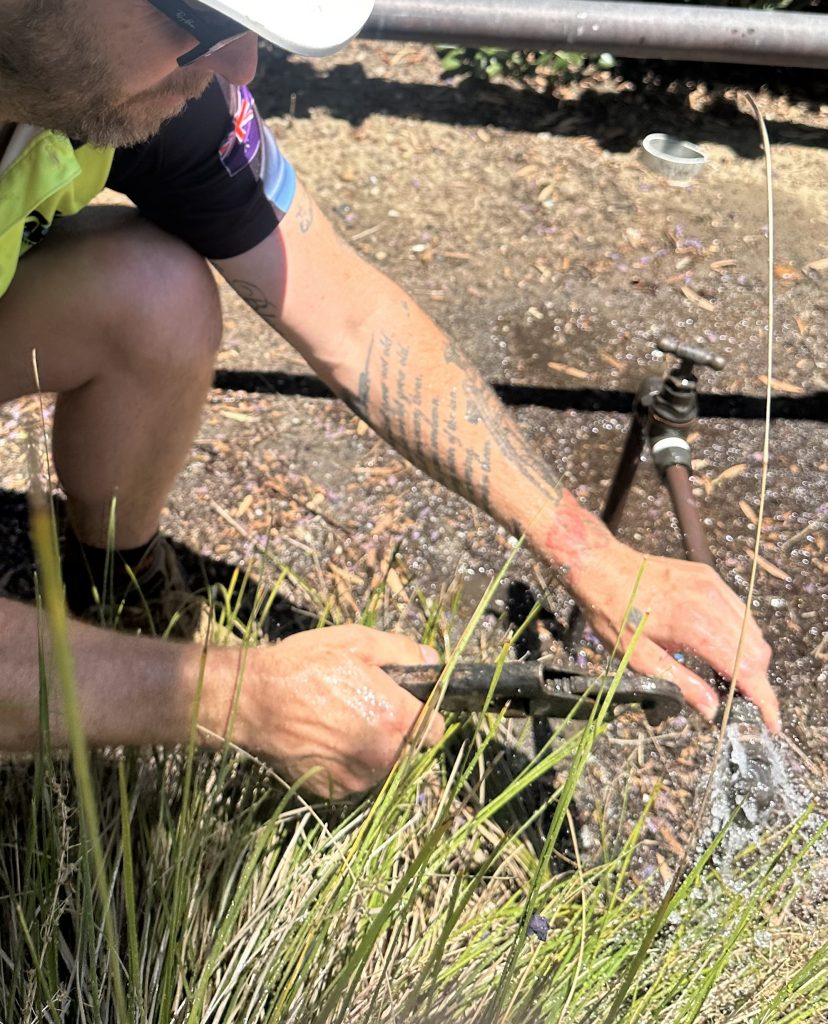
Quakers Hill has a mix of established homes and newer builds, so the causes of leaks vary from street to street. A few culprits come up again and again.
- Ageing or corroded pipes. Older copper and galvanised lines can thin out over time, and a pinhole can open up without much warning.
- Failed fittings and joints. Connections under sinks, behind toilets and at the back of appliances can loosen or perish, especially flexible hoses.
- Hot water system and lines. Hot water pipes are under extra stress from heat and expansion. A leaking relief valve or failing tank can also release a lot of water. Our hot water installation and repairs team deals with these regularly.
- Slab leaks. Pipes running through or under concrete slabs can crack from ground movement or corrosion, and are among the hardest leaks to spot without equipment.
- Shower and wet area leaks. Failed waterproofing or a leaking mixer behind the tiles can let water escape into walls and neighbouring rooms.
- Service line damage outside. Tree roots, ground movement and accidental digging can all damage the line between the meter and the house.
Emergency or book-in? How to tell the difference
Not every leak needs a plumber at midnight, and it is fair to want to avoid after-hours rates when you do not need them. A rough rule of thumb can help.
Treat it as an emergency if: water is actively spreading, you cannot stop it by turning off a local isolation valve, water is near electrics, a ceiling is sagging, the meter is spinning quickly with everything off, or you have no water supply after shutting the main.
It can usually wait for a booked visit if: you have an old, stable stain that is not growing, a slow drip you can catch in a container, a slightly higher water bill with no visible signs, or a leak you have successfully isolated at a local valve.
If you are unsure, it is worth calling and describing what you are seeing. A good plumber will tell you honestly whether it needs someone now or can be scheduled for a standard visit through our general plumbing service.
Key takeaways
- Hidden leaks cause most of their damage while nobody knows where they are, so speed of detection matters more than speed of repair.
- Running water sounds with everything off, a moving meter, spreading stains and warm floor patches are all signs to act today.
- Shutting off the main at the meter is the single most useful thing you can do while you wait.
- Modern leak detection uses pressure testing, acoustic equipment, thermal imaging and moisture mapping to keep any opening-up to a minimum.
- When in doubt, call and describe the situation. An honest plumber will tell you whether it is urgent.
Frequently asked questions
What is emergency leak detection?
Emergency leak detection is the urgent location of a water leak that is actively causing or threatening damage. A plumber uses tools such as pressure testing, acoustic listening devices and thermal cameras to find the source quickly, so it can be repaired before the damage spreads further.
How do I know if I have a hidden water leak?
Turn off every tap and water-using appliance, then check your water meter. If it is still moving, water is escaping somewhere. Other signs include the sound of running water in walls, new or growing stains, bubbling paint, warm spots on floors and an unexplained rise in your water bill.
Should I turn off my water if I suspect a leak?
Yes, if the leak is causing active damage or you cannot find it. Turning off the main stopcock at the meter stops water flowing into the house. If you can identify the fixture that is leaking and it has its own isolation valve, you may be able to shut off just that one instead.
Can a plumber find a leak without breaking walls or floors?
In many cases, yes. Non-invasive methods can narrow a leak down to a small area before anything is opened up. Sometimes a small access point is still needed to reach and repair the pipe, but it is usually far less disruptive than the old trial-and-error approach.
Is emergency leak detection available after hours in Quakers Hill?
Local Quakers Hill Plumber offers 24/7 emergency plumbing, so you can call day or night, including weekends. Call 02 9158 3597 and explain what is happening so the team can advise on the next steps.
Will my insurance cover leak damage?
That depends on your policy and the cause of the leak. Some policies cover sudden water damage but not the cost of finding or repairing the leak itself, or damage from gradual leaks. Check your policy wording or speak to your insurer, and keep photos and your plumber’s report to support any claim.
| Got a leak right now? Do not wait for it to get worse. Turn off your water at the meter and call Local Quakers Hill Plumber on 02 9158 3597. Our licensed, family owned team provides 24/7 emergency leak detection across Quakers Hill and surrounding suburbs. Prefer to send the details first? Contact us online and we will get back to you. |