Common Plumbing Problems in Quakers Hill Homes
| Quick answer: The most common plumbing problems in Quakers Hill homes are blocked drains, leaking taps and toilets, hot water system faults, low or fluctuating water pressure, and burst or leaking pipes. Many start small and get worse if ignored, so it helps to know the early warning signs. If a problem is spreading water, involves gas, or leaves you without hot water, calling a licensed plumber in Quakers Hill early usually costs less than waiting for it to escalate. |
In this guide
- Blocked drains
- Leaking taps and toilets
- Hot water system faults
- Low or fluctuating water pressure
- Burst and leaking pipes
- Gas appliance and gas fitting issues
- When to call a plumber in Quakers Hill
- Frequently asked questions
If you own or rent a home in Quakers Hill, chances are you have already dealt with a plumbing hiccup or two. A slow-draining shower, a tap that will not stop dripping, or a hot water system that quits on a cold morning. These issues are common across Western Sydney, and knowing what causes them makes it far easier to act early. This guide walks through the plumbing problems a local plumber in Quakers Hill sees most often, why they happen, and what you can reasonably do before the situation turns into an emergency.
Quakers Hill has a real mix of housing, from established brick homes on older streets through to newer estates around The Ponds, Kellyville Ridge, and Stanhope Gardens. Older properties tend to have aging pipework and mature trees near drain lines, while newer builds can still develop problems from settling, poor installation, or everyday wear. The problems below turn up in both.
Local Quakers Hill Plumber is a family owned and operated team that services Quakers Hill and the surrounding suburbs, and the patterns here reflect the jobs that come up week after week.
Blocked drains
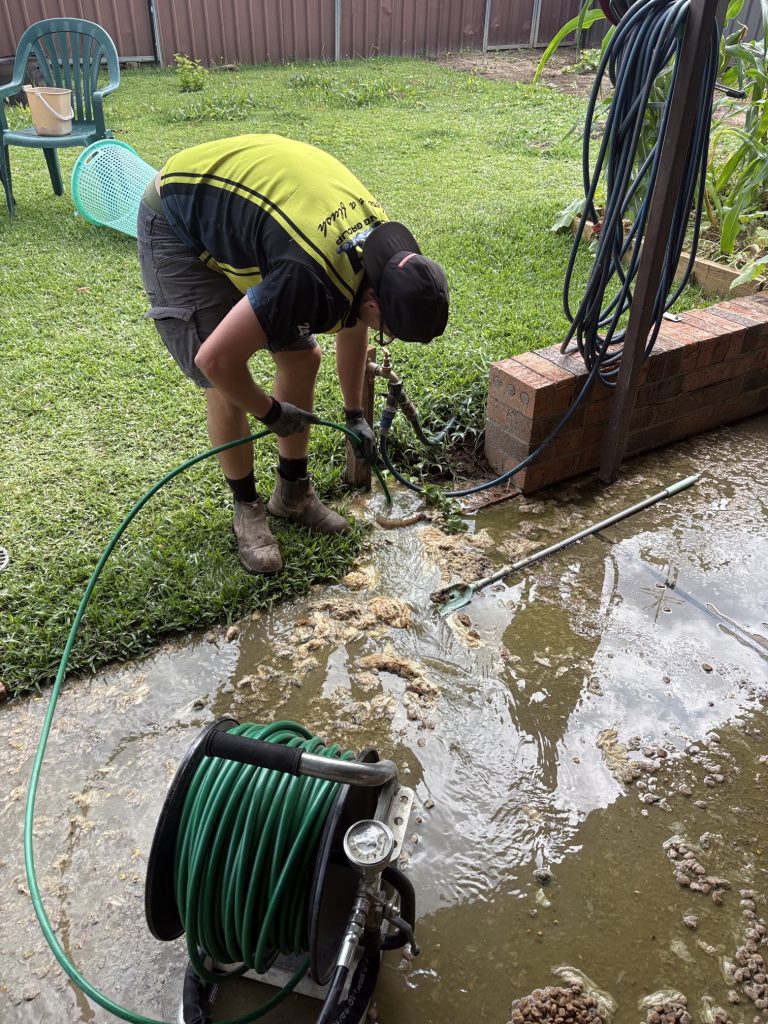
Blocked drains are easily the most frequent plumbing complaint in the area. A drain that gurgles, empties slowly, or gives off a bad smell is usually telling you something is building up inside the pipe. Left alone, a partial blockage tends to become a full one.
What causes them
- Tree roots. Older Quakers Hill streets often have established trees, and roots are drawn to the moisture inside drain lines. They work through tiny cracks and joints, then keep growing.
- Grease and food scraps. Fats poured down the kitchen sink cool and harden inside the pipe, catching everything that follows.
- Hair and soap. In bathrooms, hair binds with soap residue and slowly narrows the drain.
- Foreign objects. Wet wipes, cotton buds, and toys are common culprits, especially in homes with young children.
You can try a plunger or a mix of hot water and bicarb for a minor kitchen or bathroom clog. What you should avoid is repeated use of harsh chemical drain cleaners, which can damage older pipes and rarely clear a root intrusion. If the same drain keeps blocking, or more than one fixture is slow at once, that points to a problem further down the line. Our team explains the warning signs in more detail in this guide to the top causes of blocked drains in Quakers Hill homes, and professional blocked drain services in Quakers Hill can clear and inspect the pipe properly.
Leaking taps and toilets
A dripping tap or a toilet that runs seems harmless, but it wastes a surprising amount of water over time and it usually will not fix itself. Most leaks come down to a worn washer, a perished O-ring, or a failing cartridge inside the tap. Toilets often keep running because of a worn flapper or a faulty inlet valve.
Beyond the water bill, a persistent leak can cause staining, encourage mould, and put steady pressure on fittings that were not designed to run constantly. Replacing a washer is within reach for some homeowners, but if a tap keeps failing after a repair, or the leak is coming from the wall or the base of the toilet rather than the spout, it is worth having it looked at. A leak behind a wall can be doing damage you cannot see.
Hot water system faults
Few things prompt a call to a plumber faster than a cold shower. Hot water problems tend to show up gradually, then fail completely at the worst possible time. Common signs your system needs attention include water that never gets hot enough, hot water that runs out quickly, discoloured or rusty water, or strange noises from the tank.
Gas versus electric systems
Gas systems can lose their pilot light or develop a faulty thermocouple, while electric systems often fail because of a burnt-out heating element or a tripped thermostat. Sediment building up inside the tank affects both types and shortens the system’s life. A leaking tank, on the other hand, usually means replacement rather than repair.
Some checks are safe to do yourself, like confirming the power is on, the gas is connected, or the pilot is lit. Anything involving the tank, the wiring, or the gas supply should go to a licensed professional. You can read more about the specific faults we see locally in this overview of common hot water repairs in Quakers Hill homes, and our hot water repairs and installation service covers both gas and electric units.
| Not sure whether to repair or replace your hot water system? A quick assessment can save you paying twice. If your unit is more than around ten years old and failing often, replacement may be the smarter spend. Learn what to look for before you decide. |
Low or fluctuating water pressure
Water pressure that suddenly drops, or swings between weak and strong, is a sign worth paying attention to. Sometimes the cause is simple, such as a partially closed valve or a clogged showerhead full of mineral buildup. Other times it points to something more significant.
- A single tap is weak: often a blocked aerator or a worn fitting, and a straightforward fix.
- The whole house is affected: this can indicate a hidden leak, corroded pipes, or an issue with the main supply.
- Pressure drops suddenly and stays low: treat this as a possible leak or burst somewhere in the system and have it checked promptly.
Because pressure problems can hint at a leak you cannot see, it is worth investigating rather than simply living with it. A hidden leak keeps running up your bill and can undermine walls, floors, or the slab over time.
Burst and leaking pipes
A burst pipe is one of the more stressful plumbing problems because it can flood a home quickly. Pipes fail for a range of reasons: corrosion in older galvanised lines, ground movement, high water pressure, tree root pressure, or general age. Sometimes the first sign is obvious, like water pooling on the floor. Other times it is subtle, such as a damp patch on a wall, a musty smell, a soggy area in the yard, or a jump in your water bill with no clear reason.
If a pipe bursts, the most useful thing you can do is turn off the water at the mains to limit the damage, then call for help. This is the kind of situation where fast action matters, and where a 24/7 emergency plumbing response can make a real difference to how much cleanup you are left with.
Gas appliance and gas fitting issues
Gas work sits in a different category to most household plumbing because of the safety risk. If you ever smell gas, hear a hissing near an appliance, or notice a pilot light that will not stay lit, treat it seriously. Turn off the gas at the meter if you can do so safely, avoid flames and electrical switches, ventilate the area, and get a licensed professional involved.
By law in New South Wales, gas fitting must be carried out by a licensed gas fitter. That covers installing or moving gas appliances, running gas lines, and safety checks. It is not a DIY area. If you are dealing with a gas hot water fault, a cooktop that will not light, or a suspected leak, our licensed gas fitting service is the safe way to handle it.
When to call a plumber in Quakers Hill
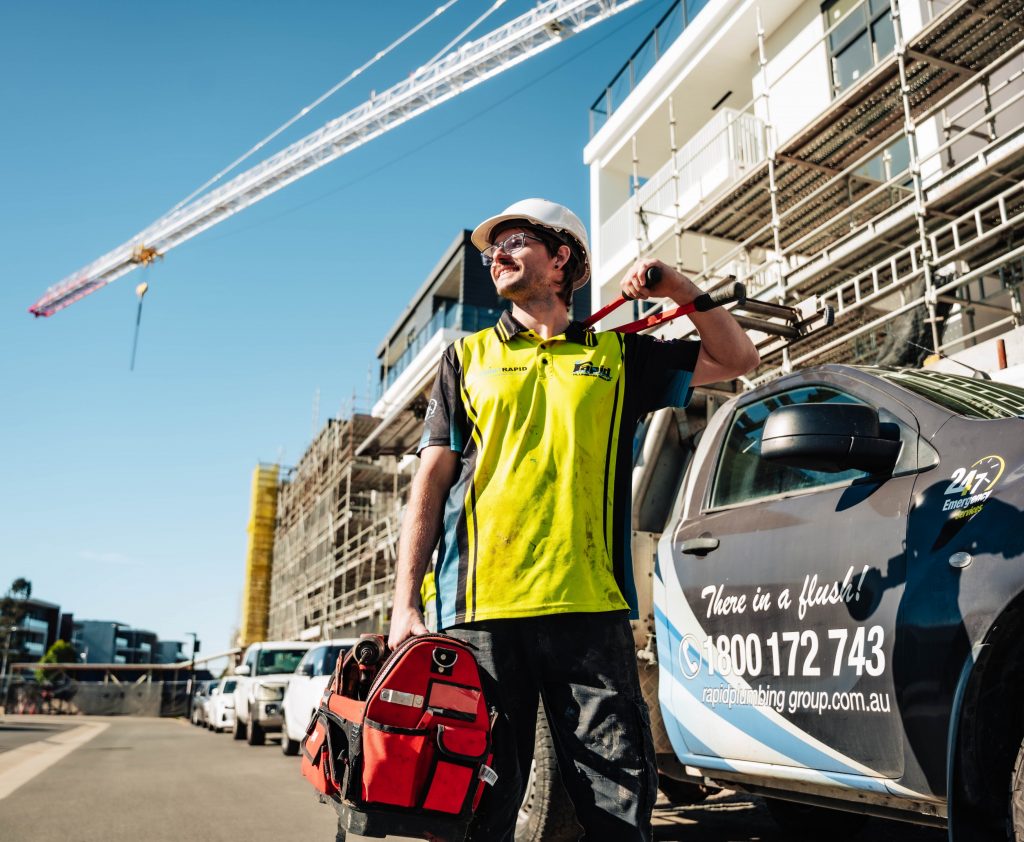
Plenty of small jobs are fine to try yourself: a plunger on a minor clog, a new washer on a dripping tap, or cleaning a showerhead. The moment a problem involves gas, spreading water, the hot water tank, the slab, or a drain that keeps blocking no matter what you do, it is time to bring in a professional. Catching these issues early is almost always cheaper and less disruptive than dealing with the aftermath.
A good local plumber does more than patch the immediate problem. They find the underlying cause, so the same issue does not keep coming back. Routine attention through general plumbing maintenance can also catch small faults before they become expensive ones. Because Local Quakers Hill Plumber is based right here and services the surrounding suburbs, help is usually close by. You can see the full service area on the local plumber in Quakers Hill page.
| Still comparing options? If you want to understand a problem before booking, get in touch with our team for a straight answer about what is likely going on and what a fix involves. No pressure, just clear information so you can decide. |
Key takeaways
- Blocked drains, leaking taps and toilets, hot water faults, pressure problems, and burst pipes are the plumbing issues Quakers Hill homes face most.
- Most problems give early warning signs, so acting on them early keeps repairs smaller and cheaper.
- Simple jobs are fine to attempt, but gas work, spreading water, and tank or slab issues need a licensed professional.
- A hidden leak behind low pressure or a soggy patch can do quiet damage, so it is worth investigating rather than ignoring.
Frequently asked questions
What is the most common plumbing problem in Quakers Hill homes?
Blocked drains are the most common. They are often caused by tree roots in older streets, grease from kitchen sinks, or hair and soap in bathrooms. If a drain keeps blocking or more than one fixture is slow at the same time, the cause is usually further down the line and worth a professional inspection.
Can I fix a blocked drain myself?
You can try a plunger or hot water and bicarb on a minor clog. Avoid relying on harsh chemical drain cleaners, which can damage pipes and rarely clear tree roots. If the blockage keeps returning, a plumber can clear it properly and check what is causing it.
Should I repair or replace my hot water system?
It depends on the fault and the age of the unit. A worn element, thermostat, or thermocouple can often be repaired. A leaking tank or a system more than roughly ten years old that fails often is usually better replaced. A quick assessment will tell you which makes more sense for your situation.
What should I do if a pipe bursts?
Turn off the water at the mains straight away to limit flooding, then call an emergency plumber. If the burst is near electrical fittings, avoid the water and keep clear until help arrives. Fast action here can significantly reduce the damage and cleanup.
Is gas work something I can do myself?
No. In New South Wales, gas fitting must be done by a licensed gas fitter. That includes installing or moving gas appliances and repairing gas lines. If you smell gas, turn it off at the meter if it is safe to do so, avoid flames and switches, ventilate the area, and call a licensed professional.
How do I know if I have a hidden leak?
Watch for damp patches on walls or floors, a musty smell, a soggy area in the yard, an unexplained rise in your water bill, or water pressure that drops and stays low. Any of these can indicate a leak you cannot see, and it is worth having it investigated.
| Dealing with a plumbing problem right now? Local Quakers Hill Plumber is family owned, local, and available around the clock for Quakers Hill and the surrounding suburbs. Call (02) 9158 3597 to book a licensed plumber or to talk through an urgent issue. Fast, honest help when you need it. |