Common Hot Water Repairs in Quakers Hill Homes
Hot water repairs Quakers Hill homeowners often need include fixing leaks, restoring lost hot water, repairing faulty thermostats, replacing valves, checking gas burners, and solving pressure or temperature problems. If your hot water system is noisy, leaking, running cold, or giving you uneven water temperature, it usually means one part has failed or the system needs servicing.
For many Quakers Hill homes, the right repair depends on the type of hot water system installed. Gas, electric, instant, heat pump, solar, and commercial systems can all fail in different ways, so it is important to have the unit checked properly before replacing major parts.
What Are the Most Common Hot Water Repairs Quakers Hill Homes Need?
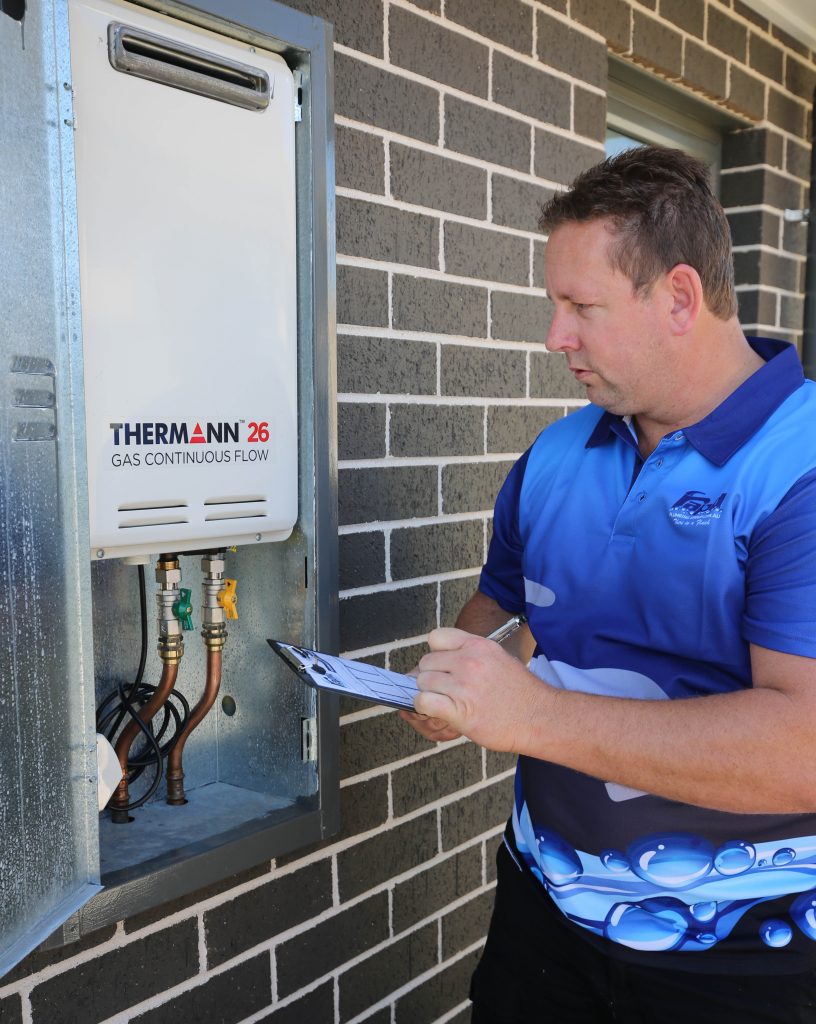
The most common hot water repairs Quakers Hill homeowners need involve valves, thermostats, heating elements, burners, leaking fittings, pressure issues, and damaged pipework. These parts all help control how water is heated, stored, released, and delivered to your taps safely.
In a typical home, the first sign is usually easy to notice. Your shower may turn cold halfway through, the water may only feel lukewarm, or the system may take longer than usual to heat back up. Some homeowners also notice water pooling near the unit, rusty water from the hot tap, or loud noises coming from the tank.
Common hot water repairs include:
- Replacing faulty temperature and pressure relief valves
- Fixing leaking pipe connections around the unit
- Repairing or replacing electric heating elements
- Adjusting or replacing faulty thermostats
- Checking gas burners and pilot lights
- Repairing instant hot water ignition faults
- Replacing damaged tempering valves
- Fixing low hot water pressure
- Investigating rusty or discoloured hot water
- Repairing pipes connected to the hot water system
One important part of many storage hot water systems is the temperature and pressure relief valve, often called the TPR valve. This valve releases extra pressure from the tank when needed. If it drips constantly, leaks heavily, or stops working, the system should be checked quickly.
Another common repair involves the tempering valve. This valve mixes hot and cold water before it reaches your taps. If it fails, your water may become too hot, too cool, or uneven.
A local plumber can inspect the system, test the valves, check the pipework, and confirm whether the problem is a simple repair or a sign of a bigger issue. This matters because replacing a visible part without finding the cause can lead to the same problem coming back.
Local Quaker Hills Plumber works on residential, commercial, and industrial hot water systems across Quaker Hills and nearby homes. The team handles gas, electric, instant, heat pump, solar, and commercial hot water units, so the repair can match your exact system type.
Why Has My Hot Water Suddenly Gone Cold?
If your hot water suddenly goes cold, the system may have a failed heating part, power supply issue, gas supply problem, tripped safety switch, faulty thermostat, or ignition fault. The cause depends on whether your home uses an electric, gas, instant, heat pump, or solar hot water system.
For an electric hot water system, one common cause is a failed heating element. The heating element is the part inside the tank that heats the water. If it stops working, your system may produce no hot water or only a small amount before running cold.
The thermostat may also be the issue. A thermostat controls the water temperature inside the system. If it fails, the water may not heat properly, may become too hot, or may stay lukewarm even when the unit is switched on.
For gas hot water systems, the fault may be linked to the pilot light, burner, gas valve, thermocouple, or ignition system. If the burner does not light, the unit cannot heat the water. If the pilot light keeps going out, there may be a safety or gas supply issue that needs professional attention.
Instant hot water systems can fail in a slightly different way. These systems heat water only when a tap is turned on. If the unit does not detect water flow, has a blocked filter, has an ignition issue, or receives poor gas or electrical supply, it may send cold water through the tap.
Before calling a plumber, you can safely check a few basic things:
- Check if the hot water unit is switched on
- Check if a circuit breaker has tripped
- Check if your gas supply is turned on
- Test more than one hot tap
- Check whether the issue affects the whole home
- Look for error codes on instant systems
- Note whether the problem started suddenly or gradually
Do not open the unit, touch wiring, relight parts repeatedly, or adjust gas components yourself. Hot water systems involve heat, pressure, electricity, and sometimes gas. A mistake can create serious safety risks.
If the water is cold across the whole property, call a professional plumber. Local Quaker Hills Plumber can inspect the system, find the fault, and recommend whether a part repair, service, or replacement is needed.
Why Is My Hot Water System Leaking?
A leaking hot water system may be caused by a loose fitting, worn valve, damaged pipe, corroded tank, failed seal, or excess pressure inside the unit. Even a small leak should be checked because it can worsen and cause water damage around the system.
The first thing to look at is where the water is coming from. A leak from a pipe connection, valve, or fitting may be repairable. A leak from the tank body itself is more serious, especially if the tank is rusted, swollen, or leaking from the base.
Some homeowners notice a small amount of water from the relief valve drain line. A light discharge can happen during normal heating, but constant flowing water is not normal. It may mean the valve is faulty, pressure is too high, or another part of the system is not working correctly.
Leaks can appear in several places, including:
- Around the top pipe connections
- At the base of the hot water tank
- From the overflow or drain line
- Around valve fittings
- From copper or flexible pipework
- Under an indoor cupboard unit
- Near a wall, ceiling, or floor connected to hot water pipes
Indoor hot water leaks can be especially stressful. A slow leak in a laundry, cupboard, garage, or roof space can damage flooring, skirting boards, walls, plasterboard, and nearby storage items. Outdoor leaks can still waste water and cause rust around the base of the system.
If you see water near the unit, avoid touching electrical parts. If it is safe, turn off the water supply to the system and call a plumber. If water is spraying, flooding, or close to power points, treat it as urgent.
A plumber can test the relief valve, inspect the pipework, check pressure, and look for hidden leaks around the connected plumbing. Local Quaker Hills Plumber also provides leak detection for water, shower, pool, and gas leaks, which is useful when the water source is not clear.
The most important thing is not to ignore the leak. Hot water leaks rarely fix themselves. Early repairs can help reduce damage and may prevent a more expensive system failure.
What Causes Low Hot Water Pressure or Uneven Temperature?
Low hot water pressure or uneven temperature is often caused by a faulty valve, blocked pipe, sediment build-up, ageing pipework, pressure imbalance, or a problem inside the hot water unit. If your cold water pressure is normal but your hot water pressure is weak, the issue is likely on the hot water side.
Sediment can build up inside storage hot water tanks over time. Sediment means small mineral particles, rust, and debris that settle at the bottom of the tank. This can affect heating performance, create noise, and make the system work harder than it should.
Another common cause is a faulty tempering valve. This valve mixes hot and cold water to help deliver safer water temperatures at your taps. If it fails, your water may become too cool, too hot, or change temperature suddenly while you are showering.
Low pressure can also come from pipe problems. Older pipes may have internal build-up, corrosion, or partial blockages. Sometimes, a valve near the system is not fully open, or a pressure control valve is no longer working properly.
Uneven temperature is often noticed in the shower first. The water may start warm, then turn cold, then warm again. This may happen when another tap, washing machine, or dishwasher is used at the same time.
Signs to Watch For
Call a plumber if you notice:
- Hot water pressure is much weaker than cold water pressure
- Shower temperature changes without warning
- Hot water runs out faster than it used to
- Water is only lukewarm at several taps
- Water becomes too hot even on a lower setting
- Hot pipes bang, rattle, or knock
- Rusty or cloudy water comes from hot taps only
- One bathroom has good pressure but another does not
- The system takes longer to reheat than usual
These issues may feel small at first, but they can point to worn parts or pressure problems. A plumber can check the valves, test pressure, inspect the pipework, and assess whether the unit is still performing properly.
For Quaker Hills homes with older plumbing, it is also important to check whether the problem is with the hot water system or the pipes connected to it. Repairing the wrong part may not solve the problem.
How Do Different Hot Water Systems Fail?
Different hot water systems fail in different ways because they heat water differently. Gas systems rely on burners and gas supply, electric systems rely on heating elements, instant systems rely on flow sensors, heat pumps rely on fans and compressors, and solar systems rely on collectors, boosters, pumps, and sensors.
Here is a simple comparison:
| System Type | Common Repair Issues | Signs You May Notice |
| Gas storage | Pilot light, burner, gas valve, thermocouple, leaks | No hot water, weak flame, gas smell, slow reheating |
| Electric storage | Heating element, thermostat, valve faults | Cold water, tripped breaker, lukewarm water |
| Instant gas/electric | Ignition, flow sensor, scale build-up, control fault | Hot water cuts in and out, error codes, no ignition |
| Heat pump | Fan, compressor, sensor, electrical fault | Slow recovery, noisy unit, poor heating |
| Solar hot water | Booster, pump, collector, valve, sensor faults | Not enough hot water on cloudy days, booster issues |
| Commercial systems | Valves, pumps, storage, control systems | Unreliable supply, pressure issues, repeated downtime |
Gas hot water repairs should only be handled by a qualified professional. Gas systems can involve gas valves, burners, flues, pilot lights, and gas pipework. If you smell gas near your hot water system, do not try to relight the unit. Turn off the gas supply if safe, avoid flames and switches, leave the area, and call for help.
Electric systems can also be risky. A tripped breaker may seem simple, but it can point to a failed element, wiring fault, or internal safety issue. If the system keeps tripping, it should not be repeatedly reset without inspection.
Instant systems often show problems at the moment hot water is needed. The water may turn hot and cold, the unit may shut down, or an error code may appear. These systems need proper testing because the issue may be linked to water flow, gas flow, ignition, filters, or electronic controls.
Heat pump systems can have faults with fans, sensors, and heating components. Solar hot water systems may rely on boosters during cloudy weather or high-demand periods, so a booster fault can leave the home short of hot water.
Local Quaker Hills Plumber repairs, services, supplies, and installs a wide range of hot water systems. This makes it easier to get practical advice based on the unit in your home or business, not just a general guess.
When Is a Hot Water Problem an Emergency?
A hot water problem is an emergency when there is flooding, a major leak, suspected gas leak, electrical danger, steam, burning smells, or no hot water for a vulnerable household or business that depends on it. In these cases, waiting can create safety risks or serious disruption.
Some hot water issues can wait for a standard booking. For example, mild temperature changes, slower reheating, or a small drop in performance can usually be inspected during normal service hours. However, water pouring from the system, gas smells, electrical smells, or water near power should be treated as urgent.
Call an emergency plumber if you notice:
- Water pouring from the hot water unit
- A strong gas smell near the system
- Steam or very hot water escaping from valves
- Loud banging, popping, or boiling sounds
- Electrical burning smells near the unit
- Water leaking near power points or switches
- The system has fallen, shifted, or become unstable
- No hot water in a home with infants, elderly people, or medical needs
- No hot water in a business that needs it for hygiene or daily operations
For homes, no hot water can quickly affect showers, washing, cleaning, and daily comfort. For businesses, it can affect staff amenities, cleaning tasks, kitchens, wash areas, and customer service. Commercial and industrial properties may need faster support to reduce downtime.
If you are dealing with a leak, try to keep people away from the area. If it is safe, turn off the water supply to the unit. If there is a possible gas leak, do not use electrical switches, do not light flames, and do not keep trying to restart the system.
Local Quaker Hills Plumber provides 24/7 emergency plumbing for urgent hot water faults, leaks, gas plumbing concerns, blocked drains, and general plumbing issues. When you call, explain what you can see, hear, or smell. This helps the plumber understand the urgency and prepare for the repair.
Can Regular Servicing Prevent Hot Water Repairs?
Regular servicing can reduce the chance of sudden hot water repairs because it helps find worn parts before they fail. It can also improve safety, check valves, test system performance, and confirm whether your hot water unit is heating and delivering water correctly.
Hot water systems work under heat and pressure every day. Over time, valves wear out, fittings loosen, sediment can collect, and parts may become less reliable. A service gives a plumber the chance to identify these problems before they turn into a cold shower, leak, or emergency callout.
A typical hot water service may include:
- Checking for visible leaks
- Looking for rust or corrosion
- Testing relief valves
- Checking the thermostat
- Inspecting pipe connections
- Checking for pressure problems
- Reviewing system noise
- Checking gas burner performance where relevant
- Looking for signs of sediment build-up
- Confirming whether the unit still suits the property
The right service timing depends on the system type, age, usage, manufacturer guidance, and site conditions. A busy family home may place more demand on a system than a small household. A café, office, workshop, or commercial property may need more regular checks because hot water is part of daily operations.
Servicing is also useful if you have recently moved into a home and do not know the system’s history. Many people only think about the hot water unit when it stops working. A simple inspection can help you understand its condition before a problem appears.
Regular checks can also help you plan ahead. If your plumber sees signs that the unit is ageing, they can explain your options early. This gives you time to compare gas, electric, instant, heat pump, solar, or commercial systems instead of rushing into a decision during an emergency.
Local Quaker Hills Plumber provides hot water servicing and repairs across Quaker Hills for residential, commercial, and industrial properties. The team can also help with general plumbing inspections, leak detection, gas fitting, and related repairs when the hot water issue is connected to the wider plumbing system.
Should You Repair or Replace Your Hot Water System?
You should repair your hot water system if the fault is minor, the unit is in reasonable condition, and the repair is safe and practical. Replacement may be better if the tank is badly corroded, the system breaks down often, or the repair is no longer sensible compared with installing a new unit.
A plumber should inspect the system before you decide. Some problems, such as a faulty valve, thermostat, burner part, or heating element, may be repairable. Other issues, such as a leaking tank body or severe rust, may mean the system is nearing the end of its life.
A repair may make sense when:
- The unit is still in fair condition
- The fault is limited to one part
- There is no major rust or tank damage
- Hot water demand has not changed
- The same issue has not happened many times
- Parts are available
- The repair can be done safely
Replacement may be worth discussing when:
- The tank is leaking from the body
- The system breaks down often
- Hot water runs out too quickly
- The system is too small for the home
- The unit is no longer reliable
- Parts are hard to find
- The system uses more energy than expected
- Your household or business needs have changed
Choosing a new system is not just about picking the same type again. A growing family may need more hot water than the old system can provide. A business may need a stronger commercial setup. A homeowner may want to compare gas, electric, instant, heat pump, or solar options.
A plumber can also check whether the current location, pipework, valves, and drainage are suitable. This matters because a new unit still needs the right installation around it to perform well.
For Quaker Hills homes and businesses, Local Quaker Hills Plumber can inspect the existing system and explain whether repair or replacement is the better next step. The goal is to solve the problem properly, not push a new unit when a safe repair will do.
What Should You Check Before Calling a Plumber?
Before calling a plumber, check whether the problem affects one tap or the whole property, whether the unit is leaking, whether the power or gas supply is on, and whether there are unusual sounds, smells, or error codes. These details help the plumber understand the likely fault faster.
Start by testing more than one hot tap. If only one tap has poor hot water, the problem may be with that tap, mixer, or nearby pipe. If every hot tap has the same issue, the problem is more likely connected to the hot water system.
Next, look around the hot water unit without opening panels or touching internal parts. Check for water, rust, dripping valves, damaged pipes, or signs that the unit has shut down. If the unit is inside a cupboard, laundry, garage, or roof space, check nearby walls and floors for damp patches.
Helpful details to note include:
- System type: gas, electric, instant, heat pump, solar, or commercial
- System location: inside, outside, garage, cupboard, roof, or plant room
- Main issue: no hot water, leak, low pressure, noise, or temperature changes
- Timing: sudden, gradual, constant, or on and off
- Smells: gas, burning, damp, or rusty water
- Water colour: clear, cloudy, brown, or rusty
- Recent events: storm, power outage, plumbing work, or heavy household use
- Error codes: numbers or lights on an instant system
- Affected taps: one tap, one bathroom, or the whole property
You can also check whether your neighbours have water supply problems. If the wider street has an issue, your hot water system may not be the cause. However, if only your home is affected, it is worth booking an inspection.
Do not try to repair valves, wiring, gas lines, burners, or internal tank parts yourself. Even if the issue seems simple, hot water systems can be dangerous when handled without the right training.
When you call Local Quaker Hills Plumber, share the details clearly. This can help the plumber arrive prepared and may save time during the inspection.
FAQs About Hot Water Repairs in Quakers Hill
Why does my hot water run out so quickly?
Your hot water may run out quickly because the system is too small, a heating element has failed, the thermostat is faulty, or sediment is affecting tank performance. It can also happen when household demand increases. A plumber can test the unit and check whether repair, servicing, or replacement is the best option.
Is a leaking hot water system dangerous?
A small leak is not always dangerous, but it should still be checked. Leaks can cause water damage, rust, pressure problems, or electrical risk if water reaches unsafe areas. If water is pouring out, near power, or coming from the tank body, call a plumber urgently.
Can I reset my hot water system myself?
You can safely check basic switches, circuit breakers, or gas supply if they are easy to access. However, you should not open the unit, touch wiring, or adjust gas parts. If the system keeps tripping, shutting down, or failing, a plumber should inspect it.
Why is my hot water brown or rusty?
Brown or rusty hot water may come from corrosion inside the tank, ageing pipework, or sediment moving through the system. If the discolouration only appears from hot taps, the hot water unit or connected hot pipework may be the source. It should be inspected before the problem worsens.
How long does a hot water repair usually take?
Many simple repairs, such as valve checks or minor part replacements, may be completed during one visit if parts are available. More complex faults, hard-to-access systems, or major leaks can take longer. A plumber needs to inspect the unit before giving a realistic timeframe.
Do plumbers repair all types of hot water systems?
Not every plumber works on every system, so it is best to ask before booking. Local Quaker Hills Plumber handles gas, electric, instant, heat pump, solar, and commercial hot water systems. They can inspect the fault and recommend the most practical repair for your property.
Need Hot Water Repairs Quakers Hill Locals Can Rely On?
If your hot water has gone cold, your system is leaking, or your water temperature keeps changing, do not wait for the problem to get worse. Hot water faults can affect comfort, safety, water use, and daily routines, especially in busy homes and businesses.
For reliable hot water repairs Quakers Hill, call Local Quaker Hills Plumber on 291583597. The team services Quaker Hills and nearby local properties, providing 24/7 emergency plumbing, hot water repairs, gas fitting, leak detection, blocked drain work, general plumbing repairs, and water filtration support where needed.