The Top Causes of Blocked Drains in Quakers Hill Homes
Blocked drains in Quakers Hill homes are usually caused by a combination of tree roots, grease, food scraps, hair, soap build-up, foreign objects, ageing pipes, and stormwater debris. Many homeowners searching for blocked drains Quakers Hill often find the problem isn’t what went down today, but what has been slowly building inside the pipes over weeks, months, or even years.
While some blockages are minor and affect just one fixture, others point to larger issues in the sewer or stormwater lines. A licensed local plumber can provide CCTV inspections, water jetting, and repair services to restore proper flow and prevent recurring problems.
What Usually Causes Blocked Drains Quakers Hill Homes?
Blocked drains often start small but can quickly turn into major headaches if ignored. In Quakers Hill homes, slow drainage is usually caused by debris gradually collecting inside pipes. Even tiny bits of grease, soap, hair, or food can stick to the walls of a pipe and trap other waste over time.
For example, kitchen sinks often block from food scraps and fats. Bathroom showers collect hair and soap scum, and toilets may block from paper products or wipes. Outdoor stormwater drains can fill with leaves, mulch, and soil, especially after heavy rains.
Additional causes in Quakers Hill include:
- Grease and food: Oil solidifies in pipes, catching other debris.
- Hair and soap: Forms mats that reduce flow.
- Wet wipes and sanitary products: Slow to break down, can block toilets.
- Tree roots: Seek moisture and invade pipes through tiny cracks.
- Ageing or damaged pipes: Shifted, cracked, or poorly aligned pipes increase blockages.
- Debris from storms: Leaves and soil in outdoor drains reduce drainage.
Homeowners should watch for early warning signs such as slow draining water, gurgling noises, or minor overflow. Identifying issues early can prevent costly repairs.
How Do Tree Roots Cause Blocked Drains in Quakers Hill?
Tree roots naturally grow toward moisture. Underground sewer or stormwater pipes provide the perfect environment for roots to penetrate through tiny cracks or loose joints. Once inside, roots form dense tangles that trap waste, paper, grease, and soil.
Tree root blockages often worsen over time:
- Early signs: Toilets flush weakly, sinks drain slowly, or outdoor gully traps smell.
- Moderate blockage: Water may back up into showers or basins.
- Severe blockage: Sewage may surface outside, causing hygiene risks and property damage.
Older Quakers Hill homes with established trees are particularly vulnerable. Pipes made of clay, concrete, or poorly joined plastic are easier for roots to penetrate.
Preventive tips:
- Inspect outdoor drains regularly for soggy patches.
- Watch for unusual smells from outdoor gully traps.
- Schedule periodic CCTV inspections, especially in older homes.
- Have a licensed plumber clear roots using water jetting or mechanical removal.
Professional intervention is often required. DIY tools cannot reach deep roots, and repeated partial fixes waste time and money.
Can Kitchen Grease and Food Scraps Block Your Drains?
Yes. Kitchen sinks are a hotspot for blockages because grease, fats, and food scraps often go down the drain. Grease cools and hardens inside pipes, creating sticky walls that trap food waste. Even small particles like coffee grounds, rice, and pasta can accumulate quickly when combined with oil.
Common mistakes that worsen kitchen blockages:
- Pouring cooking oil or melted butter down the sink.
- Rinsing greasy dishes without wiping first.
- Using the sink as a rubbish bin for small scraps.
Warning signs:
- Slow drainage or standing water in the sink.
- Bubbling sounds from the pipes.
- Persistent odours coming from the kitchen drain.
Practical steps to prevent blockages:
- Wipe grease from pans with paper towel before washing.
- Use sink strainers to catch food scraps.
- Dispose of fats and oils in a sealed container for the bin.
- Run hot water after washing dishes to help keep pipes clear.
If blockages persist despite cleaning, a professional plumber can perform water jetting to remove grease and debris deep in the pipes.
Why Do Bathroom Drains Get Blocked So Often?
Bathroom drains are prone to blockages because of constant exposure to hair, soap, skin oils, shampoo residue, and other personal care products. Even small amounts of hair can form mats when combined with soap scum, slowly narrowing the pipe until water flow is affected.
Common bathroom issues:
- Shower drains: Hair mats block water flow.
- Basin drains: Toothpaste, soap, and hair mix to form sludge.
- Toilets: Non-degradable items like wet wipes and cotton buds cause full blockage.
Signs to watch for:
- Water pooling around your feet in the shower.
- Slow basin drainage.
- Gurgling noises from toilets after other fixtures are used.
- Persistent odours from bathroom drains.
Maintenance tips:
- Use drain guards to catch hair and clean regularly.
- Only flush toilet paper and human waste.
- Avoid flushing wipes or sanitary products.
If a drain continues to block despite preventive care, a plumber can inspect and clear the line without damaging the pipes.
Can Old or Damaged Pipes Make Blockages Worse?
Absolutely. Pipes that are cracked, sagging, or misaligned disrupt water flow, causing debris to accumulate more easily. Even after clearing a blockage, these problem areas can block again if the pipe structure is compromised.
Why older pipes are vulnerable:
- Materials like clay and older plastics can crack or shift over time.
- Ground movement, heavy vehicles, or nearby construction can displace pipes.
- Poor slope (fall) causes water to stagnate, trapping debris.
Warning signs:
- Recurring blockages in the same area.
- Uneven drainage between fixtures.
- Soft or soggy soil above underground pipes.
- Persistent odours near blocked drains.
A CCTV drain inspection can locate structural issues or build-ups, guiding whether jetting or pipe repair/replacement is needed.
How Do Stormwater Drains Become Blocked Around the Home?
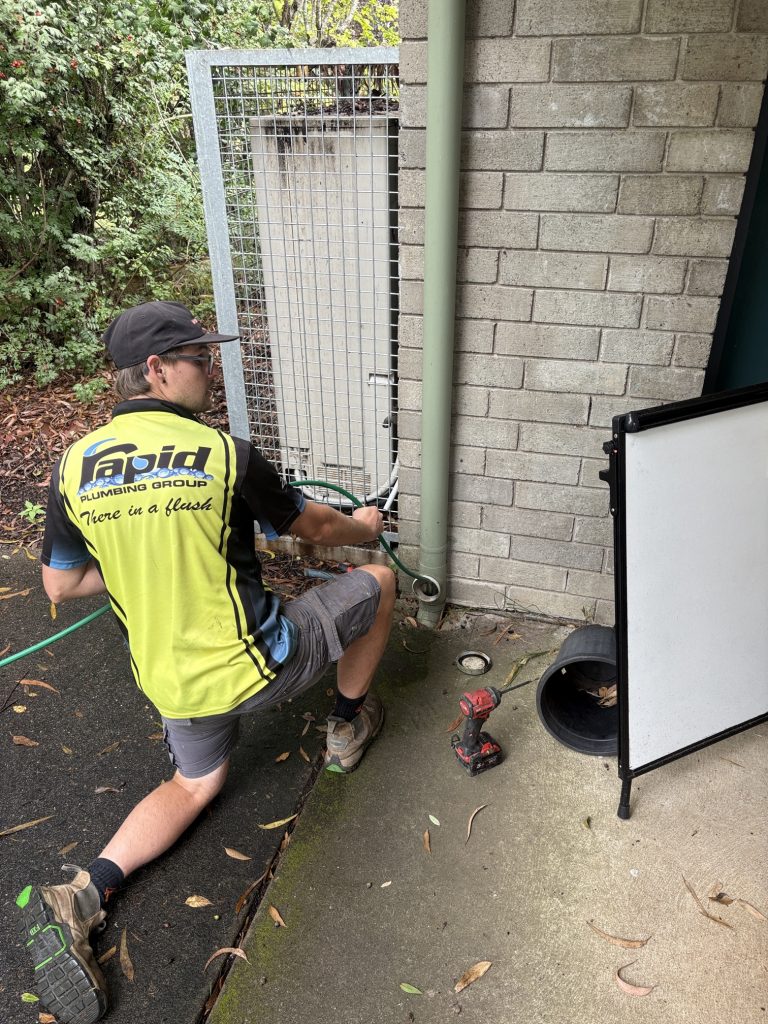
Stormwater drains carry rainwater from roofs, paths, and gardens. Debris such as leaves, soil, roof material, and mulch can accumulate in outdoor drains, gutters, and pits, reducing flow and causing yard flooding during heavy rain.
Signs of stormwater drain blockages:
- Water pooling on driveways, paths, or around garages.
- Overflowing pits after rainfall.
- Slow drainage of downpipes or surface water.
Prevention tips:
- Regularly clean gutters and downpipes.
- Remove leaves and debris from grates and pits.
- Check drains before heavy rain forecasts.
- Schedule professional clearing for buried or hard-to-reach drains.
Keeping stormwater drains clear protects homes from water damage and structural risks.
What Warning Signs Show a Blocked Drain Is Getting Serious?
A drain becomes serious when water starts backing up, bad smells persist, or multiple fixtures are affected. Early intervention prevents property damage, hygiene issues, and costly emergency repairs.
Signs your drain needs urgent attention:
- Slow draining sinks or tubs.
- Gurgling noises from toilets or floor wastes.
- Sewage odours inside or outside the home.
- Overflow from outdoor drains or pits.
- Water pooling in the yard or near foundations.
- Drain flies or pests around drains.
Practical approach:
- Monitor early warning signs.
- Avoid flushing toilets or running taps if backup occurs.
- Contact a licensed plumber for inspection and clearing.
Emergency plumbing services are available in Quakers Hill for serious blockages that pose immediate risk.
When Should You Call a Plumber for Blocked Drains Quakers Hill?
You should call a plumber when:
- The blockage keeps returning despite DIY efforts.
- Multiple drains are slow at the same time.
- There is a foul odour or sewage smell.
- Water is backing up through toilets, showers, or floor wastes.
- Tree roots or structural pipe issues are suspected.
Local Quaker Hills Plumber provides blocked drain clearing, water jetting, CCTV drain inspections, and tree root removal. Prompt intervention ensures long-lasting results and avoids repeated blockages.
How Can Quakers Hill Homeowners Prevent Blocked Drains?
Prevention is the most cost-effective approach. Controlling what enters drains, routine cleaning, and early intervention help maintain flow and reduce emergency plumbing calls.
Practical tips:
- Use strainers in kitchen and bathroom drains.
- Dispose of grease, fats, and oils in the bin.
- Only flush toilet paper and human waste.
- Clean gutters and outdoor drains regularly.
- Schedule periodic inspections for older properties or large trees.
By following these habits, homeowners can reduce the risk of blockages and avoid costly repairs.
FAQ About Blocked Drains in Quakers Hill
1. What is the most common cause of blocked drains in Quakers Hill homes?
The most frequent causes are grease, food scraps, hair, soap scum, wet wipes, tree roots, and stormwater debris. Often, the blockage develops over time. Multiple affected drains may indicate a main sewer line problem.
2. Can boiling water clear a blocked drain?
Boiling water can loosen light grease in kitchen sinks but won’t fix tree roots, heavy build-up, or damaged pipes. Avoid pouring hot water into PVC pipes. Persistent blockages require professional help.
3. Are chemical drain cleaners safe?
Not always. Chemicals can sit in pipes, create fumes, damage fittings, and make repairs more dangerous. Safe first steps include removing visible debris or using a plunger. Ongoing issues need a licensed plumber.
4. How do I know if tree roots are blocking my drain?
Repeated blockages, gurgling toilets, wastewater backup, wet patches in the yard, and persistent odours are warning signs. CCTV inspections can confirm root intrusion.
5. Is a blocked stormwater drain an emergency?
Yes, especially during heavy rain. Pooling water near the home, driveway, or garage should be addressed immediately. Clear surface debris, but call a plumber if water persists.
6. When should I call an emergency plumber?
Call immediately if sewage is overflowing, multiple drains are blocked, or toilets won’t flush. Avoid using taps and showers until a professional can assess the problem.
Call Local Quaker Hills Plumber for Blocked Drains Quakers Hill
Blocked drains can start small but escalate quickly. If your sink is slow, toilet gurgles, or outdoor drains overflow, call Local Quaker Hills Plumber at 291583597. Servicing homes and businesses across Quaker Hills, we provide blocked drain clearing, water jetting, CCTV inspections, and tree root removal to restore flow and prevent future problems. Don’t wait—get your drains checked today.