Blocked Toilet? When to Call a Toilet Repairs Plumber in Quakers Hill
| Quick answer: Call a toilet repairs plumber in Quakers Hill when the blockage has not cleared after two careful rounds with a plunger, when the bowl overflows or comes close to it, when other fixtures gurgle or back up as you flush, or when the same toilet blocks repeatedly over a few weeks. A one-off blockage caused by too much paper will usually clear on its own. A recurring or spreading blockage almost always sits further down the drain line, and that needs a licensed plumber with a drain camera. |
On this page
- What a blocked toilet is actually telling you
- Blocked toilet or blocked drain?
- What you can safely try yourself first
- When to call a toilet repairs plumber in Quakers Hill
- Other toilet problems worth booking
- What a toilet repair call-out involves
- Preventing the next blockage
- Frequently asked questions
There is a particular moment every homeowner recognises. You flush, and instead of draining away, the water climbs. It hovers near the rim while you do the mental maths on whether it is going to stop.
Most of the time it does. But that pause is worth paying attention to, because a toilet that hesitates is telling you something about the pipe underneath it. Knowing when a blockage is a nuisance and when it is a warning is the difference between a five minute fix and a flooded bathroom floor.
This guide covers what causes toilet blockages in Quakers Hill homes, what you can safely try first, and the specific signs that mean it is time to call a toilet repairs plumber in Quakers Hill rather than keep plunging.
| Not sure it is worth a call-out? Have a look at the range of plumbing services offered by Local Quakers Hill Plumber to see what a licensed plumber can actually do for a blocked or faulty toilet. No pressure, just background before you decide. |
What a blocked toilet is actually telling you
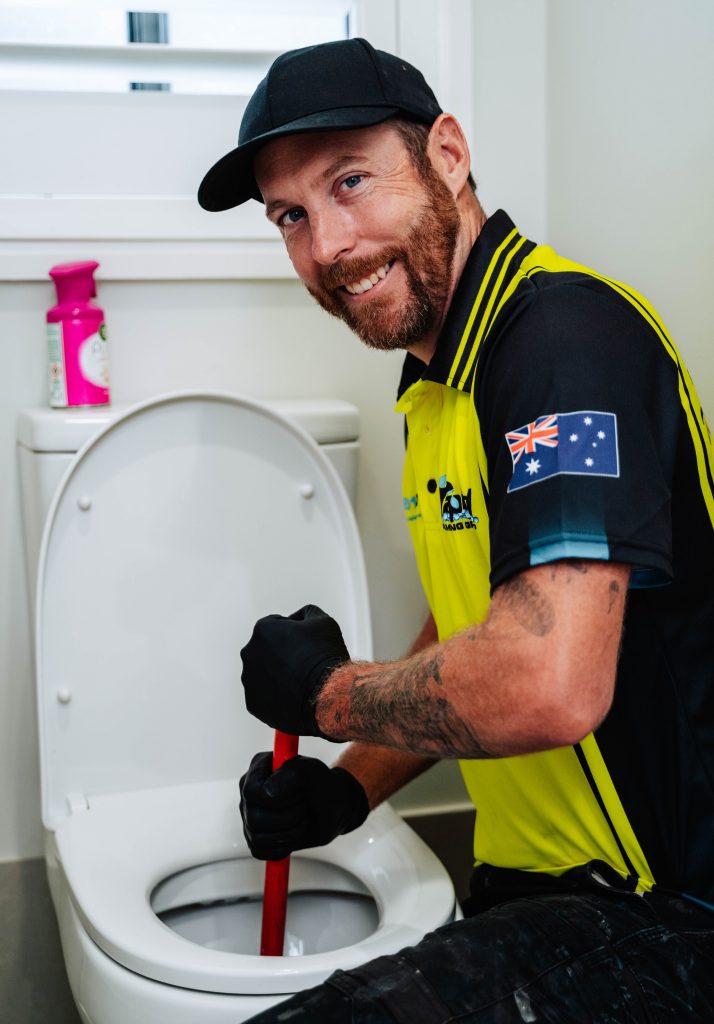
A blockage is the visible end of a system that starts at the pan and runs through the trap, the branch line, and eventually the main sewer. Where the obstruction sits changes how serious it is.
The common culprits are straightforward: too much paper at once, wet wipes (including the ones marketed as flushable), sanitary products, cotton buds, and children’s toys. These sit close to the bowl, usually in or just past the S-bend, and they generally respond to a plunger. Annoying rather than alarming.
The other category is structural. Older clay sewer lines around Western Sydney develop cracks and joint gaps over decades, and tree roots work their way into the sewer line looking for moisture. Once roots take hold they catch everything that passes, and the blockage rebuilds itself within weeks of being cleared. Pipe sag, misalignment, and scale build-up cause similar repeat patterns.
So the practical test is simple. A blockage that clears and stays cleared was about what went down the pan. One that keeps returning is about the pipe, and no amount of plunging fixes a pipe.
Blocked toilet or blocked drain?
This distinction changes the scope of the job entirely, and the checks take about two minutes.
If the problem is isolated to the toilet, the blockage is local. Everything else drains normally: the shower runs away fine, the basin empties, the kitchen sink behaves.
If the problem is in the drain line, the symptoms spread:
- Water rising in the shower base when the toilet is flushed
- Gurgling from the basin or floor waste as the cistern empties
- Slow drainage across two or more fixtures at once
- A sewage smell in the bathroom, laundry, or near the boundary trap
- Water pooling around an outdoor drain or overflow relief gully
Any of those means the blockage is downstream, past where a plunger can reach. Our fuller breakdown on how to tell the difference between a blocked toilet and a blocked drain walks through the checks in order.
The overflow relief gully is worth knowing about. It is the grated drain outside, set lower than your lowest indoor fixture, and it exists so that if the sewer backs up, waste surfaces there instead of through your shower. Water or waste at that gully means the main line is blocked and you need a plumber promptly, not eventually.
What you can safely try yourself first
Keep it gentle. Aggressive fixes cause more damage than the original blockage in a surprising number of cases.
Stop the water. If the bowl is filling, lift the cistern lid and hold the flush valve down, or turn off the small isolation tap on the supply line behind the toilet.
Wait it out. Give it twenty or thirty minutes without flushing again. Soft paper blockages often break down on their own, and repeat flushing just adds volume to a bowl that cannot empty.
Use the right plunger. A flange plunger, the type with an extended rubber sleeve, seals against a toilet outlet far better than the flat cup version made for sinks. Cover the head with water, seal it over the outlet, and use ten to fifteen firm push-and-pull strokes. Sharp downward stabs mostly just splash.
Try warm water and dish soap. Warm, not boiling: boiling water can crack vitreous china and soften the seal at the base. Pour a bucket in from waist height so the weight helps, then give the soap ten minutes on a greasy or paper-based clog.
Two things to avoid. Chemical drain cleaners are harsh on older pipes and seals, often fail to reach the blockage anyway, and leave a bowl of caustic liquid a plumber then has to work in. Coat hangers and improvised wire scratch the glaze inside the pan and can push an object deeper into the trap, turning a retrievable item into a removal job.
| Tried the basics and it is still not clearing? That is usually the point where a professional clear is the cheaper option, not the expensive one. Blocked drain clearing with a camera and a proper machine finds the cause instead of shifting it a metre down the line. Ring (02) 9158 3597, describe what you are seeing, and you will get a straight answer on whether it needs a visit. |
When to call a toilet repairs plumber in Quakers Hill
Any one of these on its own is enough reason to stop plunging and book the job.
Two rounds of plunging have not moved it. If fifteen solid strokes with a flange plunger has not shifted the blockage, it is either solid, lodged past the trap, or further down the branch line. More force will not help.
The bowl overflows or nearly does. Overflow means the blockage is complete rather than partial, and waste water on bathroom flooring is a real hygiene issue, particularly with young children in the house.
Other fixtures are affected. Gurgling, bubbling, or rising water elsewhere when you flush is the clearest possible signal that the problem sits in shared pipework.
It keeps coming back. A toilet that blocks once is a household event. One that blocks three times in two months is a symptom, and it is the classic signature of root intrusion or a pipe defect. It will keep happening until someone puts a camera down there.
There is a sewage smell that will not clear. Persistent odour suggests a venting problem, a dry or damaged trap, or waste sitting in a partially blocked line.
Something solid went down. A toy, a toothbrush, a bottle lid. Plunging can wedge these tighter, and retrieval usually means pulling the pan, which is a job for a licensed plumber who can reseal it properly.
You are in a unit or strata property. Shared sewer lines mean a blockage on your level can affect neighbours, and there are usually rules about who arranges and pays. Strata plumbing jobs are worth routing through the right channel from the start.
If the bowl is actively overflowing onto the floor, or waste is surfacing outside, that is not a next-available-appointment situation. That is emergency plumbing, and it is worth knowing when you should call immediately rather than waiting to see whether it settles.
Other toilet problems worth booking
A cistern that never stops running
A toilet that keeps trickling into the bowl is quietly expensive. Usual causes are a worn inlet valve, a perished flush valve washer, or a float set too high so water spills continuously into the overflow tube. Parts are inexpensive and the repair is quick, but the waste adds up week after week.
A weak or incomplete flush
If the bowl needs two flushes to clear, look at the cistern water level, the flush mechanism, and mineral build-up in the rim holes. Weak flushing also makes blockages more likely, because there is not enough water volume to carry waste into the drain line properly. The two problems feed each other.
A toilet that rocks or shifts
Movement at the base breaks the seal underneath, and a broken seal lets waste water seep into the floor where you cannot see it. Our guide on why a toilet rocks and how plumbers stabilise it explains why simply tightening the bolts can crack the pan.
Damp or staining near the base
Water around the base, discoloured skirting, or a soft patch in the floor points to a leak at the pan connector or seal, and these do real damage before they become obvious. Professional leak detection can locate the source without pulling up floors first.
What a toilet repair call-out involves
A plumber will start with questions, so have your answers ready. When did it start? Has it happened before? Are other fixtures affected? Did anything unusual go down? Good answers narrow the diagnosis before anyone opens a toolbox.
On site, inspection comes first: the pan, the trap, and the immediate line for a straightforward blockage, and a drain camera for anything suspected further down. That camera is what separates a real fix from a temporary one, because it shows whether you are looking at a wad of wipes or a root mass in a cracked joint. Clearing then depends on what it finds. A localised blockage might come out with a closet auger, while deeper obstructions need a drain machine or high pressure water jetting, which cuts through roots and scours the pipe wall instead of punching a hole through the middle of the blockage.
The follow-up conversation matters just as much. If the camera showed root intrusion or a damaged section, clearing it buys time but does not solve it, and you should be told plainly what the repair options are, whether that is a pipe repair, a relining, or a section replacement. Anyone who clears a root blockage and says nothing about the roots is setting you up for another call in three months.
Most straightforward blockages are handled in a single visit. Structural drain issues take longer and cost more, which is exactly why catching the early signs of blocked drains is worth the attention.
| Comparing your options? Ask any plumber about licensing, whether a drain camera is included, and whether you will get an explanation of the cause rather than just a cleared pipe. Local Quakers Hill Plumber works across Quakers Hill and the surrounding suburbs, and you are welcome to ring (02) 9158 3597 and simply ask questions before committing to anything. |
Preventing the next blockage
- Flush three things only: human waste, toilet paper, and water. Everything else goes in the bin, including anything labelled flushable.
- Put a bin in the bathroom. Obvious, but the single most effective change in most households.
- Teach children what the toilet is for, and keep the lid down in homes with toddlers.
- Skip in-cistern chemical blocks. Many degrade rubber seals and valve components over time, turning a cleaning product into a repair bill.
- Watch the trees. If you have large trees near the sewer line, build periodic drain inspections into your maintenance rather than waiting for the first blockage.
- Act on slow drainage early. A sluggish toilet is a partial blockage announcing itself, and dealing with it then is cheaper than dealing with it once it becomes total.
A general plumbing check every couple of years catches worn valves, deteriorating seals, and early drain issues while they are still small.
Key takeaways
- One-off blockages are usually about what went down the pan and often clear with a flange plunger.
- Repeat blockages in the same toilet point to the pipe, not the paper, and need a camera inspection.
- Gurgling or backing up in other fixtures means the problem is in the shared drain line.
- Skip the chemical cleaners, the boiling water, and the coat hanger. All three tend to make things worse.
- Water or waste surfacing at the outdoor overflow gully means call a plumber straight away.
- Running cisterns, weak flushes, rocking pans, and damp at the base are worth fixing before they escalate.
Frequently asked questions
Can I unblock a toilet without a plunger?
Sometimes. A bucket of warm water poured in from waist height, with a little dish soap and around ten minutes to work, will shift many soft paper blockages. Neither that nor a bicarbonate and vinegar mix will help with a solid object or a blockage further down the line. If the water level does not drop at all, a plunger or a plumber is the next step.
Why does my toilet keep blocking when nothing unusual goes down it?
Repeated blockages with no obvious cause almost always mean the drain line itself is compromised. Tree roots entering through a cracked joint are the most common reason in established suburbs, followed by pipe sag, misalignment, and scale build-up. A drain camera inspection is the only reliable way to see which one you are dealing with.
Are flushable wipes actually safe to flush?
In practice, no. Toilet paper breaks apart within seconds in water, while wipes labelled flushable hold together far longer. They snag on any rough surface or root inside the pipe, then catch everything that follows. Australian consumer regulators have taken action over flushability claims, and plumbers see the results regularly.
How urgent is a blocked toilet if we have a second bathroom?
Less urgent than if it were your only one, but it still deserves attention. If the blockage is isolated and nothing else in the house is affected, it can usually wait for a normal appointment. If other fixtures are gurgling or draining slowly, a spare bathroom does not help, because the problem is in the shared line and it will reach that bathroom too.
Will a plumber need to remove the toilet to clear a blockage?
Usually not. Most blockages clear from above with a closet auger or from an access point with a drain machine. Removing the pan is generally reserved for retrieving solid objects lodged in the trap, or for repairs to the seal underneath. If it is needed, a licensed plumber will reset and reseal it properly, which is why improvised removal is a poor idea.
What should I do while I wait for the plumber?
Stop using that toilet, and if other fixtures are affected, minimise water use throughout the house so nothing adds to a backed-up line. Turn off the isolation tap behind the toilet to prevent accidental refilling, clear the area, and lay down old towels if there is any overflow risk. Keep children and pets out of the room.
| Book a toilet repairs plumber in Quakers Hill. If the blockage is not clearing, keeps returning, or has started affecting other fixtures, do not keep plunging and hoping. Call Local Quakers Hill Plumber on (02) 9158 3597 for licensed toilet repairs and blocked drain clearing across Quakers Hill and the surrounding Blacktown area, or get in touch here to arrange a time. Describe what you are seeing and you will get an honest answer on whether it needs a call-out today or can wait. |