Toilet Repairs Plumber Quakers Hill: The 6 Faults Behind Most Callouts
| Quick answer: Most toilet repair callouts in Quakers Hill come down to six recurring faults: a constantly running toilet, a weak flush, leaks at the base or cistern, a blockage, a hissing or phantom-filling cistern, and worn seals or cracked porcelain. A licensed toilet repairs plumber in Quakers Hill can diagnose all six in a single visit, and most are fixed on the spot with replacement valves, washers, or seals. Local Quakers Hill Plumber attends toilet repairs across Quakers Hill 24/7 on 02 9158 3597. |
In this guide:
- The 6 toilet faults behind most Quakers Hill callouts
- What a toilet repairs plumber in Quakers Hill actually checks
- Repair or replace: making the right call
- When a toilet fault becomes an emergency
- Key takeaways
- Frequently asked questions
A toilet gets flushed thousands of times a year, and every one of those flushes puts a small amount of wear on the same handful of parts: the inlet valve, the outlet valve, the rubber seals, and the connection to the drain. So when something finally gives, it rarely gives in a mysterious way. Ask any toilet repairs plumber Quakers Hill homeowners rely on and they will tell you the same thing: the vast majority of jobs fall into just six categories.
That is actually good news. If you can recognise which of the six faults you are dealing with, you can tell your plumber exactly what is happening, get a more accurate idea of the likely fix over the phone, and avoid paying for guesswork. This guide walks through each fault, what causes it in local homes, and how it typically gets repaired.
| Not sure which fault you have? That is completely normal, and some faults overlap. Browse the general plumbing services from Local Quakers Hill Plumber to see how toilet diagnostics and repairs fit into a standard visit. No pressure, no obligation, just a clearer picture of what is involved. |
The 6 Toilet Faults Behind Most Quakers Hill Callouts
1. The toilet that never stops running
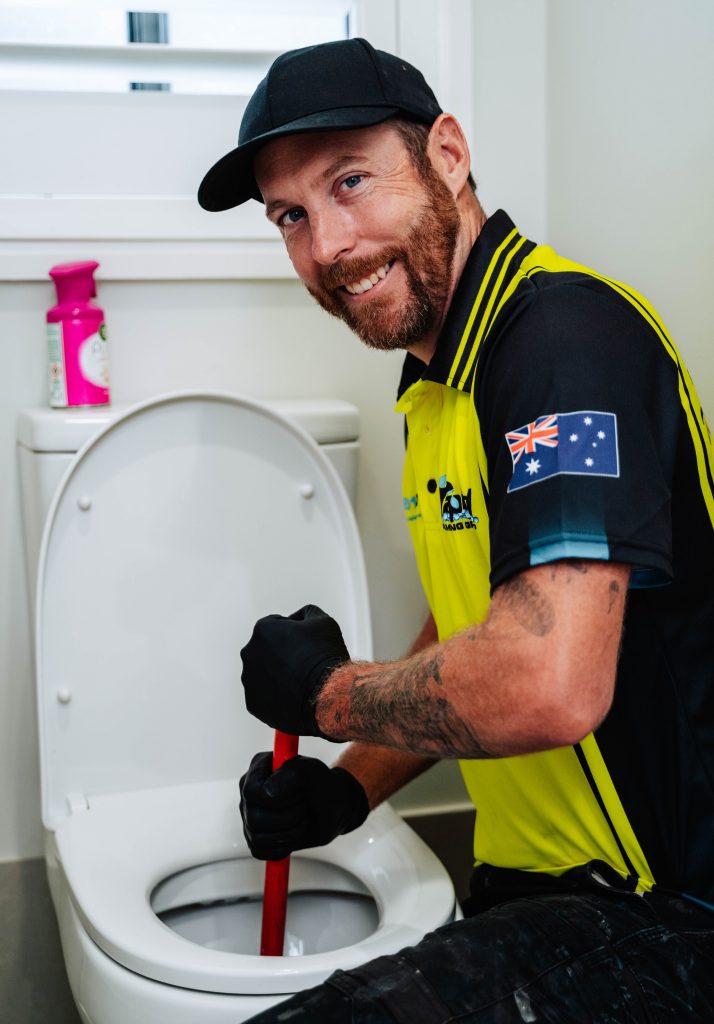
A running toilet is the single most common reason people book a toilet repair. Water keeps trickling from the cistern into the bowl long after the flush has finished, sometimes for hours, sometimes permanently. It sounds minor, but a constantly running toilet can waste a surprising amount of water and push your bill up noticeably over a quarter.
The usual culprits are a worn outlet valve washer that no longer seals the cistern, a flapper or seal that has hardened with age, or a float set too high so water spills into the overflow tube. Each of these is a quick fix for a plumber: the valve or washer is replaced, the float is adjusted, and the cistern is tested through several full cycles before the job is signed off.
2. The weak or incomplete flush
If you find yourself flushing twice to clear the bowl, the toilet is telling you something. A weak flush usually means the cistern is not filling to the correct level, the rim jets under the bowl edge are partially clogged with mineral scale, or the outlet valve is opening sluggishly and closing too early.
Sydney’s water is relatively soft compared to some regions, but scale and debris still build up in older cisterns, especially in homes around Quakers Hill built in the 1980s and 1990s where original fittings are still in service. A plumber will check the water level, clean or clear the jets, and replace the flush mechanism if it has lost its travel. In many cases a full cistern service restores the flush completely without any need for a new suite.
3. Leaks at the base or behind the cistern
Water pooling around the base of the toilet, or a damp patch creeping along the wall behind the cistern, deserves prompt attention. Base leaks often mean the pan collar or wax seal connecting the toilet to the drain has failed, which allows waste water to escape every time you flush. Leaks behind the cistern are more commonly a failed inlet connection, a cracked cistern, or a perished rubber cone seal between cistern and pan.
These leaks matter because the water is going somewhere: into the subfloor, under tiles, or into the wall cavity. Left alone, a small toilet leak can lead to swollen skirting, lifting tiles, and mould. If you are seeing unexplained moisture around any fixture, it is worth reading about when leaking fixtures in Quakers Hill justify a professional callout, because the same logic applies to toilets: early repairs are cheap, water damage is not.
4. The blocked or slow-draining toilet
A toilet that drains slowly, gurgles, or backs up is dealing with a blockage somewhere between the pan and the sewer. Sometimes the obstruction is right in the trap: too much paper, a child’s toy, or so-called flushable wipes, which plumbers everywhere will tell you are not actually flushable. Other times the problem sits further down the line, where tree roots have found their way into older clay or earthenware pipes, a genuinely common issue in established Quakers Hill streets with mature gardens.
A plumber will usually start with a plunger or closet auger for a local blockage, then move to a drain machine or high-pressure jetter if the line itself is obstructed. If blockages keep coming back, a CCTV drain camera can pinpoint root intrusion or pipe damage. Recurring toilet blockages are often a drainage problem wearing a toilet costume, and the blocked drains service in Quakers Hill exists for exactly that scenario.
5. The hissing, phantom-filling cistern
You are sitting in the lounge room at night and hear the toilet refill on its own, even though nobody has flushed. That phantom fill happens because water is slowly leaking from the cistern into the bowl, and once the level drops far enough, the inlet valve tops it back up. A constant hiss from the cistern points to the same family of faults: an inlet valve that never fully shuts off, often because the washer inside it has worn or debris is caught in the seat.
The fix is typically a new inlet valve or a rebuild of the existing one, plus a check of the outlet seal that allowed the level to drop in the first place. It is a small job, but ignoring it means the toilet quietly leaks around the clock.
6. Cracked porcelain, loose pans, and failing seals
The final category is structural. Hairline cracks in the pan or cistern, a toilet that rocks when you sit on it, or a seat and fittings that have simply reached the end of their life. A loose pan is more serious than it feels, because the movement gradually breaks the seal to the drain and invites the base leaks described above. Cracked porcelain can hold for a while, then fail suddenly, and a cracked cistern can release its full contents onto the floor.
A plumber will re-fix and re-seal a loose pan, replace seals and fittings where the porcelain is sound, and give you a straight answer when replacement is the smarter spend. If several of these faults are showing up at once, it may be part of a wider pattern; the rundown of common plumbing problems in Quakers Hill homes is a useful companion read for spotting what else might be ageing at the same rate.
What a Toilet Repairs Plumber in Quakers Hill Actually Checks
A good repair visit is more than swapping the part that failed. When a toilet repairs plumber in Quakers Hill works through a callout, the diagnosis usually covers the whole fixture, because the six faults above share parts and causes. A typical inspection includes:
- Cistern internals: inlet valve, outlet valve, float level, and flush mechanism, tested through several cycles.
- Seals and connections: the cone seal between cistern and pan, the pan collar at the floor, and the water supply connection, checked for weeping and perishing.
- Flush performance: water level against the marked line, rim jet flow, and how completely the bowl clears.
- Drainage behaviour: drain speed, gurgling, and any signs the fault is downstream rather than in the toilet itself.
- Stability and condition: pan fixing, cracks, and the general age of the suite.
This is why describing your symptoms accurately over the phone helps so much. “It runs all night and hisses” points to faults one and five, and the plumber can arrive carrying the right valves for your cistern type, which often turns a two-visit job into a single one.
| Comparing quotes or weighing up a repair? Send through what your toilet is doing and the team at Local Quakers Hill Plumber will give you an honest read on the likely fix before anyone touches a tool. Get in touch through the contact page or call 02 9158 3597 to talk it through with a local plumber first. |
Repair or Replace: Making the Right Call

Not every ageing toilet deserves a new part. As a general rule, repair makes sense when the porcelain is sound and the fault sits in the replaceable internals: valves, washers, seals, and fittings. These parts are inexpensive relative to the labour of a full replacement, and a serviced cistern can run reliably for years.
Replacement starts to make sense in a few situations. Single-flush toilets from decades past use far more water per flush than a modern dual-flush suite, so a household that flushes often may find a new water-efficient toilet pays for itself over time. Cracked pans, repeatedly failing cisterns, and discontinued models with hard-to-source parts also tip the balance toward replacement. A trustworthy plumber will lay out both paths with costs, rather than defaulting to the bigger job. That is the standard Local Quakers Hill Plumber has worked to for over a decade serving the area, and it is a big part of why locals keep calling back.
When a Toilet Fault Becomes an Emergency
Most of the six faults can wait for a scheduled appointment. A few cannot. Treat it as urgent when:
- Sewage is backing up into the toilet, shower, or floor waste, which can signal a main line blockage affecting the whole house.
- Water is flowing continuously and the isolation stop tap beside the toilet will not shut it off.
- A cracked cistern or burst flexible hose is actively flooding the bathroom.
- It is the only toilet in the house and it is completely unusable.
In any of those situations, shut off the water at the toilet stop tap if you can, or at the water meter if you cannot, and call for help straight away. The emergency plumbing service in Quakers Hill runs 24/7 precisely because toilets do not check the clock before failing.
Key Takeaways
- Six faults cause most toilet repair callouts: running toilets, weak flushes, leaks, blockages, phantom filling, and structural wear.
- Most faults trace back to inexpensive parts: inlet valves, outlet valves, washers, and seals.
- Leaks at the base and recurring blockages deserve prompt attention, because the real damage happens out of sight.
- Recurring blockages often point to the drain line, not the toilet, and may need a camera inspection.
- Repair the internals while the porcelain is sound; replace when the suite is cracked, inefficient, or repeatedly failing.
- Sewage backups, uncontrollable water flow, and a sole unusable toilet are emergencies, not appointments.
| Toilet playing up right now? Local Quakers Hill Plumber repairs running toilets, weak flushes, leaks, and blockages across Quakers Hill and the surrounding suburbs, with 24/7 availability for the urgent ones. Call 02 9158 3597 and a licensed local plumber will sort it, usually in a single visit. |
Frequently Asked Questions
How much does a toilet repair cost in Quakers Hill?
It depends on the fault. Simple internal repairs like a new inlet valve, outlet washer, or seal sit at the affordable end because the parts are inexpensive and the job is quick. Blockages, pan re-seals, and drain line work cost more because they take longer and may need specialised equipment. A plumber who knows your symptoms in advance can usually give you a realistic range before arriving.
Why does my toilet keep running after I flush?
Almost always because water is escaping from the cistern into the bowl through a worn outlet valve or seal, or because the float is set too high and water is spilling into the overflow tube. Both are standard repairs. If the toilet also hisses, the inlet valve is likely worn as well and should be replaced at the same time.
Can I fix a blocked toilet myself?
A single soft blockage in the trap will often clear with a proper toilet plunger, and that is a reasonable first step. Avoid chemical drain cleaners, which can damage seals and rarely shift a solid obstruction. If plunging fails, the toilet blocks repeatedly, or other drains in the house gurgle at the same time, the problem is likely in the drain line and needs professional equipment.
How do I know if my toilet is leaking into the floor?
Watch for water pooling at the base after flushing, a toilet that rocks, discoloured or lifting flooring around the pan, or a persistent damp smell in the bathroom. A quick test for internal leaks: put a few drops of food colouring in the cistern and wait 15 minutes without flushing. If colour appears in the bowl, the outlet seal is leaking.
Is a running toilet really wasting that much water?
Yes, more than most people expect. Even a slow trickle runs 24 hours a day, and a stuck valve can let water flow continuously. Over a billing quarter that adds up to a noticeable increase, which usually costs more than the repair would have.
Do you offer emergency toilet repairs in Quakers Hill?
Local Quakers Hill Plumber is available 24/7 for genuine emergencies such as sewage backups, uncontrollable leaks, or a sole toilet that is out of action. Call 02 9158 3597 any time, and for non-urgent faults the team will book the earliest convenient appointment.