Sewage Smell in the Backyard Near the Drain Line: What It Can Indicate
Why this smell matters and what to do first
A sewage smell in your backyard isn’t just unpleasant—it’s a sign your plumbing system may be struggling to keep wastewater and sewer gas sealed inside the pipes where it belongs. In a healthy home, sewer gas moves through the sewer line and exits safely through plumbing vents, not through your lawn, garden beds, or outdoor drains.
When that smell shows up near a drain line, it often means one of two things is happening:
- Sewer gas is escaping (because a seal is missing, dry, or broken—often linked to a dry or faulty sewer trap), or
- Wastewater isn’t moving properly (because of a blockage, damage, or root intrusion).
Even if you don’t see water on the ground, a smell can be an early warning that a bigger problem is building up underground—especially if the smell gets stronger after you run taps, flush toilets, or use the washing machine.
What to do immediately (safe, simple steps)
Before you start poking around, do the basics that protect your home and health:
- Keep kids and pets away from the area. Sewage carries bacteria and viruses you don’t want on shoes, paws, or hands.
- Avoid digging near the smell. You could damage a pipe or expose contaminated soil.
- Reduce water use inside if the smell is strong or if drains are acting weird. Less water = less pressure on a struggling sewer line.
- Check for visible signs: wet patches, mushy soil, dark water around an outdoor drain, or toilet paper residue.
If you suspect a blockage or leak, the fastest way to stop the smell (and prevent an overflow) is to get the sewer line checked properly. At Local Quaker Hills Plumber, we don’t “guess”—we use the right tools to find the real cause, including CCTV camera inspections, high-pressure water jetting, and tree root removal for stubborn repeat issues. This is especially important for homeowners looking for residential plumbing in penrith, where older pipe sections and tree-lined streets can make sewer issues more common.
Table of contents
- What causes sewage smells outside?
- Quick symptom guide: smell + other signs
- The most common causes (explained simply)
- How a plumber finds the real problem
- What you can safely check at home (no special tools)
- When it’s an emergency
- How to prevent sewage smells in the future
- FAQs
- Call Local Quaker Hills Plumber (CTA)
What causes sewage smells outside?
That “sewer smell” usually comes from sewer gas, which is produced naturally as waste breaks down inside sewer pipes. A small amount of sewer gas is normal inside the system, but you should not smell it in your backyard.
Your plumbing system relies on two key protections:
- Water seals (traps) – those U-shaped bends that hold water and block odours.
- Venting – pipes that help air flow so wastewater drains smoothly and gases exit safely above the roofline.
If you’re smelling sewage near the drain line, something is letting gas escape from where it shouldn’t. Common reasons include:
- A dry gully trap or floor waste outside (no water seal = odour escapes)
- A blocked sewer line (pressure pushes gas out through weak points)
- Tree roots entering the line and causing repeated clogs
- A cracked, broken, or separated sewer pipe leaking gas and possibly waste
- A venting issue that changes pressure and pulls odour into outdoor areas
- Stormwater drainage problems that make smells worse after rain
- In some properties: septic system odours or overloaded on-site systems
This is where professional help makes a difference. Our team handles the full chain—from inspections and testing, to drain and sewer cleaning, to repairs and replacements—so you’re not stuck treating symptoms while the cause gets worse.
Quick symptom guide: smell + other signs (so you can describe it clearly)
Smells can be tricky because they move with wind and weather. But the pattern of the smell matters. Here’s a more detailed guide to help you connect the smell with likely causes.
If you smell sewage and drains are slow inside…
This often points to a partial blockage in the main sewer line. Wastewater is still moving, but not fast enough. That slow movement lets sludge sit and stink.
How we help:
- CCTV camera inspection to find the blockage location
- Water jetting to remove grease, sludge, and buildup
- Drain/sewer cleaning for long-term flow improvement
If you smell sewage and hear gurgling in sinks or toilets…
Gurgling is a big clue. It often means the pipes are struggling to breathe because of a blockage or a venting issue.
How we help:
- Camera inspections to check the main line
- Blocked drain clearing using jetting
- Venting checks as part of broader inspections and testing
If the smell is strongest near one spot in the yard…
This can indicate a cracked sewer line or a small leak underground. Sometimes it’s only gas leaking. Other times, it’s wastewater too.
How we help:
- Leak detection (water and drainage-related)
- Camera inspection for cracks, separations, collapsed pipe sections
- Targeted repairs once the exact spot is identified
If the smell is worse after rain or during hot days…
Heat can dry out traps and intensify odours. Rain can saturate the soil and “push up” smells from leaks or blocked lines.
How we help:
- Check outdoor drains and stormwater points
- Drain cleaning and inspection
- Fix blockages that worsen during wet weather
The most common causes (explained simply, with real plumbing services that solve them)
1) A dry gully trap or outdoor drain seal letting smell escape
Many Australian homes have a gully trap outside, often near bathrooms or laundries. Its job is simple: hold water in a bend so sewer gas can’t come back up.
But if that water dries out—especially during warmer weather—you can suddenly smell sewer gas outside even if nothing is “blocked.”
Signs this is the cause:
- Smell is near the outdoor drain opening
- Smell gets worse on hot days
- No internal drain problems yet
What we do as plumbers:
- Inspect the gully trap condition and height
- Check for cracks or poor connections
- Ensure proper sealing and function
- If needed, repair/replace damaged sections and confirm flow with testing
This is a small issue when caught early. Left alone, it can hide bigger venting or drainage problems.
2) A blockage in the main sewer line (most common reason smells show up)
A sewer line blockage is one of the top causes of sewage smells and can affect multiple fixtures in the home—kitchen, bathroom, laundry.
Blockages happen when waste can’t flow freely. Instead, it slows down, piles up, and rots inside the pipe. That creates stronger sewer gas and pushes odours out through drains and weak points.
Common culprits we remove all the time:
- Wet wipes and “flushable” wipes
- Grease and food scraps
- Toilet paper overload
- Sanitary items
- Dirt and debris entering cracked pipes
Services we use to fix it properly:
- Blocked drain clearing (fast relief)
- High-pressure water jetting to scour pipes clean
- Drain and sewer cleaning to remove sludge buildup
- CCTV camera inspections to confirm the line is fully clear
Jetting is especially useful because it doesn’t just poke a hole in the blockage—it cleans the pipe walls so the problem doesn’t return as quickly.
3) Tree root intrusion (the repeat offender)
Tree roots love water. If you have older pipes with joints that have shifted or tiny cracks, roots can invade. Once inside, they form a net that traps waste, creating repeat blockages and recurring odours.
Signs you’re dealing with roots:
- You’ve had more than one blockage in the past year
- Smells and slow drains come back again and again
- Your property has large trees near the sewer line
- The smell is strongest outside near the pipe route
What we do:
- CCTV camera inspection to confirm root entry
- Tree root removal using the correct clearing method
- Water jetting to flush out root debris
- Advice on longer-term options if roots keep returning (based on what we see)
Roots aren’t a “one-and-done” issue in many cases. That’s why inspection matters—so you know whether you need maintenance, repair, or replacement.
4) A cracked, broken, or separated sewer pipe (leaks into soil)
When a sewer pipe cracks or separates, sewer gas can leak into the soil and rise through your yard. If wastewater leaks too, it can create wet patches, smells, and even lawn sinkholes.
What causes pipes to crack?
- Ground movement or settling
- Age and wear in older lines
- Heavy vehicles driving over pipe routes
- Root pressure
- Poor installation or shifting joints
Signs to watch for:
- Persistent smell in one area
- Grass that looks unusually green in a strip
- Soft soil, puddles without rain
- More insects and flies around a patch
Services that solve it:
- Leak detection to narrow down the problem area
- CCTV inspections to confirm the damage type
- Targeted repair solutions after locating the exact point (so we don’t dig unnecessarily)
- Full plumbing support if damage is extensive, including general plumbing repairs and installations
5) A venting issue causing sewer gas to escape in the wrong place
Plumbing vents keep air pressure balanced. Without proper venting, water draining down pipes can create suction and pull water out of traps—removing the seal that blocks odours.
Signs:
- Gurgling sounds after flushing
- Smell appears after certain fixtures run
- Odours come and go with wind/weather
What we do:
- System checks as part of inspections and testing
- Confirm trap seals are holding
- Identify whether the issue is linked to blockage pressure or venting design
Even if venting isn’t the only cause, fixing vent-related problems can stop odours from returning.
6) Stormwater and outdoor drainage issues making smells worse
Sometimes the issue isn’t only sewer gas—poor outdoor drainage and blocked stormwater lines can hold stagnant water, which smells bad and can mix with other odour sources.
Signs:
- Smell is worse after heavy rain
- Water pools near drains
- Outdoor drain grates overflow
What we do:
- Inspect stormwater connections and flow
- Clear blockages and flush lines
- Use camera inspections where needed for confirmation
How a plumber finds the real problem (fast and accurately)
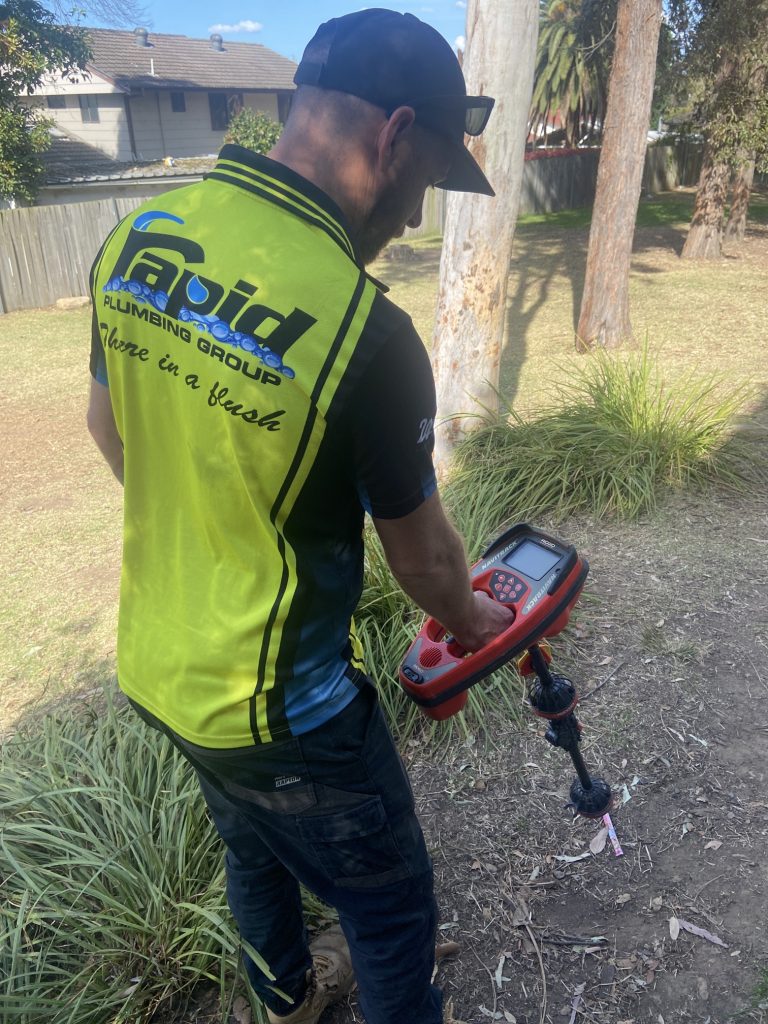
A sewage smell isn’t something you want “trial and error” with. The best approach is a process:
Step 1: On-site inspection and testing
We check outdoor drains, listen for gurgling, test fixtures, and look for signs of overflow or leakage.
Step 2: CCTV camera inspection
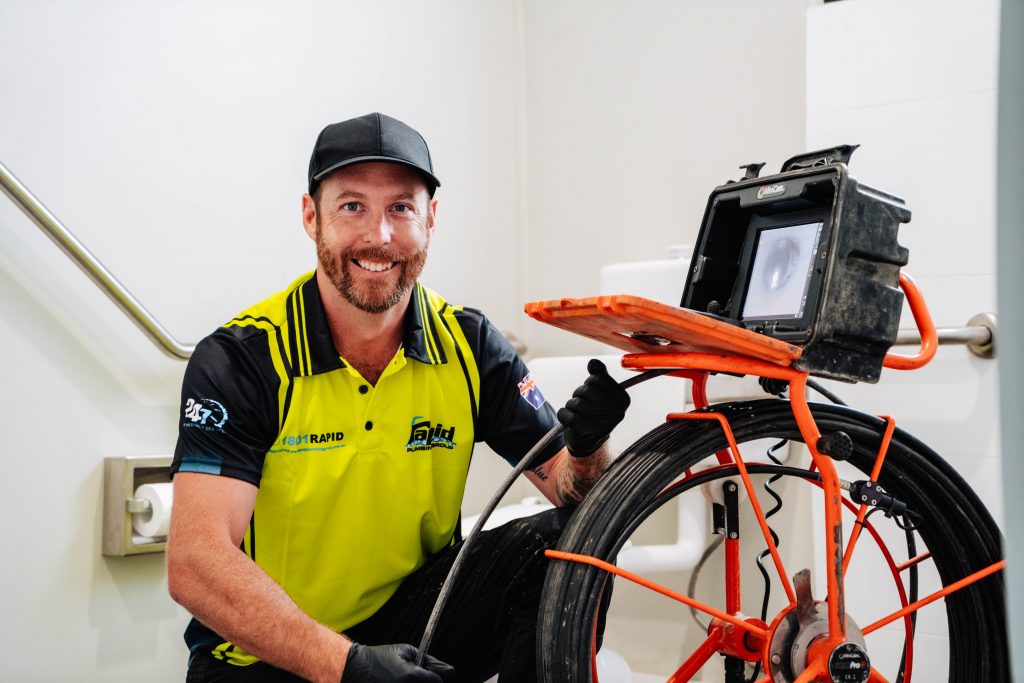
This shows us exactly what’s happening inside the pipe—roots, cracks, sludge, blockages, and breaks.
Step 3: Clear and clean properly (water jetting + drain cleaning)
We remove the cause, not just the symptom. If roots are present, we remove them properly and flush debris completely.
Step 4: Confirm the fix
We retest flow and confirm the line is draining the way it should—so you don’t get the same problem again next month.
What you can safely check at home (no special tools)
You can do a few safe checks without risking damage:
Check outdoor drains for dryness
If a gully trap looks dry, pour a bucket of clean water into it. If smell improves quickly, dryness might be part of the issue.
Note when the smell happens
Write down:
- Time of day
- Whether someone flushed, showered, or ran the washing machine
- Weather conditions (hot day, after rain, windy)
This helps us diagnose faster.
Avoid chemicals and DIY digging
Chemical cleaners don’t remove roots and can be risky. Digging can damage pipes and make repairs more expensive.
When it’s an emergency (call 24/7)
Call immediately if you notice:
- Sewage overflow from an outdoor drain or toilet
- Wastewater backing up into showers or sinks
- Strong smell + multiple slow drains inside
- Wet, contaminated areas where children or pets might step
We offer 24/7 emergency plumbing, so you don’t have to wait while the problem gets worse.
How to prevent sewage smells in the future
Prevention is about keeping the system flowing and sealed:
- Don’t flush wipes or sanitary products
- Keep grease out of sinks
- Use strainers in showers and basins
- Run water through unused drains monthly
- If you have trees near lines, consider periodic camera inspections
- Book proactive drain and sewer cleaning if your home is older or has a history of blockages
FAQs (quick, clear answers)
What does a sewage smell in the backyard usually mean?
It usually means sewer gas is escaping due to a dry trap, blockage, tree roots, or a damaged sewer line.
Can a smell happen even if drains work fine?
Yes. A small crack or a dry trap can release odour without obvious draining problems.
Why does it smell worse after rain?
Rain can saturate soil and increase odour release, and it can reveal drainage problems that weren’t obvious before.
What’s the best way to confirm the cause?
A CCTV camera inspection is the fastest, most accurate way to identify what’s happening.
Call Local Quaker Hills Plumber for fast help in Penrith
If you can smell sewage in your backyard near the drain line, don’t wait for it to turn into an overflow. The earlier you find the cause, the easier (and cheaper) it usually is to fix.
Local Quaker Hills Plumber provides:
- 24/7 emergency plumbing
- Blocked drain clearing and repairs
- High-pressure water jetting
- Drain and sewer cleaning
- CCTV camera inspections
- Tree root removal
- Leak detection (water, shower, pool, and gas)
- General plumbing repairs and installations
- Support for residential plumbing in penrith and nearby areas
📞 Call now: 291583597
We’ll locate the cause, explain it in plain English, and get your drains back to normal—fast.