Running Toilet? What a Toilet Repairs Plumber in Quakers Hill Checks First
| Quick Answer: A toilet repairs plumber in Quakers Hill checks four things first when a toilet keeps running: the flapper or outlet valve seal, the fill valve and float height, the flush button or cistern mechanism, and the water level against the overflow tube. In most homes, a worn outlet washer or a misadjusted fill valve is the culprit, and both can usually be repaired in a single visit. Left alone, a running toilet can quietly waste hundreds of litres of water a day. |
In this article:
- Why a Running Toilet Is Never “Just a Noise”
- The First Four Checks a Toilet Repairs Plumber in Quakers Hill Makes
- Inside the Cistern: The Parts That Fail Most Often
- What You Can Safely Check Yourself Before Calling
- When a Running Toilet Becomes an Emergency
- What Affects the Cost of a Toilet Repair
- Key Takeaways
- Frequently Asked Questions
You hear it at night, once the house goes quiet. A faint hiss from the bathroom, or a cistern that refills itself every twenty minutes even though nobody has flushed. It is easy to ignore, right up until the water bill arrives.
A running toilet is one of the most common jobs a toilet repairs plumber in Quakers Hill gets called out for, and it is also one of the most misunderstood. Homeowners often assume the whole toilet needs replacing, or they jiggle the button and hope for the best. In reality, the fix usually comes down to a handful of small parts inside the cistern, and a licensed plumber can diagnose which one is failing within minutes.
This guide walks you through exactly what a professional checks first, what you can safely look at yourself, and when a running toilet crosses the line from annoying to urgent.
| Not sure what your toilet is doing? Browse the full range of plumbing services from Local Quakers Hill Plumber to see how running toilets, leaking taps, and cistern problems are handled by a local licensed team. |
Why a Running Toilet Is Never “Just a Noise”
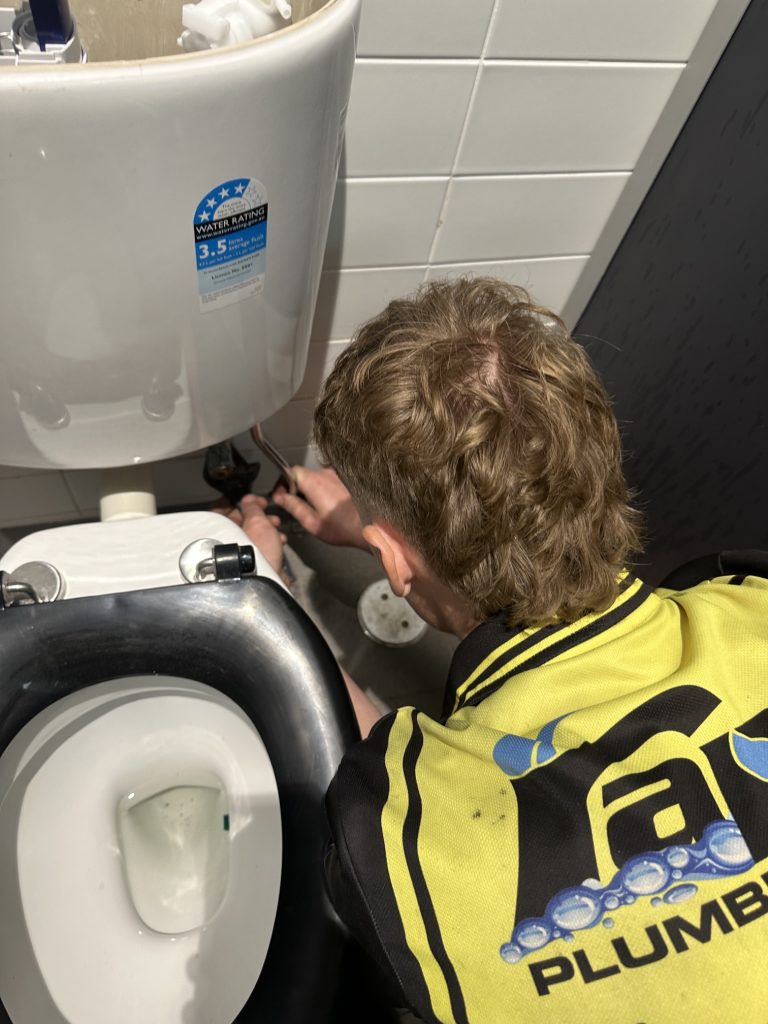
A toilet that runs constantly is leaking water from the cistern into the bowl and straight down the drain. Because the water disappears cleanly, there is no puddle on the floor and no obvious damage, so many households live with it for months.
The waste adds up fast. A slow, silent leak can lose water all day, every day, and a toilet with a fully stuck valve can waste a serious volume before anyone notices. On Sydney Water rates, that is money literally going down the drain, and in a water-conscious suburb like Quakers Hill it is water nobody can afford to lose.
There is a second cost too. A fill valve that never shuts off is working constantly, which wears it out faster. A flapper that seals poorly today often fails completely later, and that is when you wake up to a cistern that will not stop hissing at 2am. Fixing a running toilet early is almost always cheaper than fixing it late.
The First Four Checks a Toilet Repairs Plumber in Quakers Hill Makes
When a licensed plumber lifts the cistern lid, they are running through a short diagnostic sequence. Here is what it looks like.
1. The outlet valve seal (flapper or washer)
The outlet valve sits at the bottom of the cistern and holds the stored water back until you flush. Over time the rubber seal hardens, warps, or collects grit, and water starts seeping past it into the bowl. This is the single most common cause of a running toilet. A plumber will check whether the seal sits flat, whether the rubber has perished, and whether minerals in the water have built up on the seat it closes against.
2. The fill valve and float
The fill valve refills the cistern after each flush, and the float tells it when to stop. If the float is set too high, or the valve itself is worn, water keeps rising until it spills into the overflow tube and runs continuously into the bowl. The plumber will watch a full refill cycle, check where the water level settles, and test whether the valve shuts off crisply or keeps trickling.
3. The flush mechanism
Modern dual-flush cisterns use a button-operated valve assembly rather than the old lever and chain. Buttons stick, cables stretch, and internal clips crack, and any of these can hold the outlet valve slightly open. The plumber will press both the half and full flush buttons, feel for sticking, and confirm the mechanism releases fully after each flush.
4. The water level against the overflow tube
Finally, the plumber compares the resting water level to the top of the overflow tube. Water sitting at or above the tube means a fill problem. Water sitting well below the intended line, with the toilet still running, points back to the outlet seal. This one comparison usually confirms the diagnosis from the first three checks.
A simple dye test often backs all of this up: a few drops of food colouring in the cistern, wait fifteen minutes without flushing, and if colour appears in the bowl, the outlet seal is leaking. It is a small trick, but it removes the guesswork.
Inside the Cistern: The Parts That Fail Most Often
Cisterns look complicated, but almost every running toilet traces back to a short list of parts:
- Outlet washer or flapper: the rubber seal that wears out most often, especially in areas with harder water or older plumbing.
- Fill valve: the refill mechanism, which can wear internally and lose its ability to shut off cleanly.
- Float: whether a ball float or a cup float, it can crack, take on water, or simply drift out of adjustment.
- Flush button assembly: plastic components that fatigue with thousands of presses over the years.
- Inlet washers and connections: less common, but a worn inlet connection can cause slow leaks around the cistern itself.
The age of the toilet matters here. Many Quakers Hill homes built or renovated in the 1990s and 2000s still have their original cisterns, and rubber components from that era are well past their expected life. In those cases a plumber may recommend replacing the full internal kit rather than one washer, because when one rubber part has perished, the others are rarely far behind. It costs a little more on the day and saves a second call-out six months later.
| Comparing your options? Toilet and tap repairs fall under general plumbing services in Quakers Hill, with upfront quotes provided before any work starts. You will know the price before a single tool comes out, so you can compare with confidence. |
What You Can Safely Check Yourself Before Calling
You do not need to be a plumber to narrow the problem down. These checks are safe for any homeowner:
- Lift the cistern lid and look. Is the water level touching the overflow tube? Is the float sitting oddly? You are only observing, not adjusting.
- Run the dye test. Food colouring in the cistern, no flushing, fifteen minutes. Colour in the bowl confirms a leaking outlet seal.
- Press the flush buttons. Do they spring back cleanly, or does one stick or feel loose?
- Listen after refill. A healthy cistern goes silent once full. Any ongoing hiss or trickle means water is still moving somewhere it should not be.
- Check your water meter. With every tap off and no appliances running, a moving meter means something in the house is leaking, and a running toilet is the usual suspect.
Where homeowners get into trouble is going further than this. Forcing a stuck button, overtightening plastic nuts, or pulling apart a dual-flush valve without knowing how it reseats can turn a cheap repair into a cracked cistern. Cistern porcelain and the plastic fittings inside it are far more fragile than they look. If your observation confirms a fault, that is the point to hand it over to a licensed professional.
When a Running Toilet Becomes an Emergency
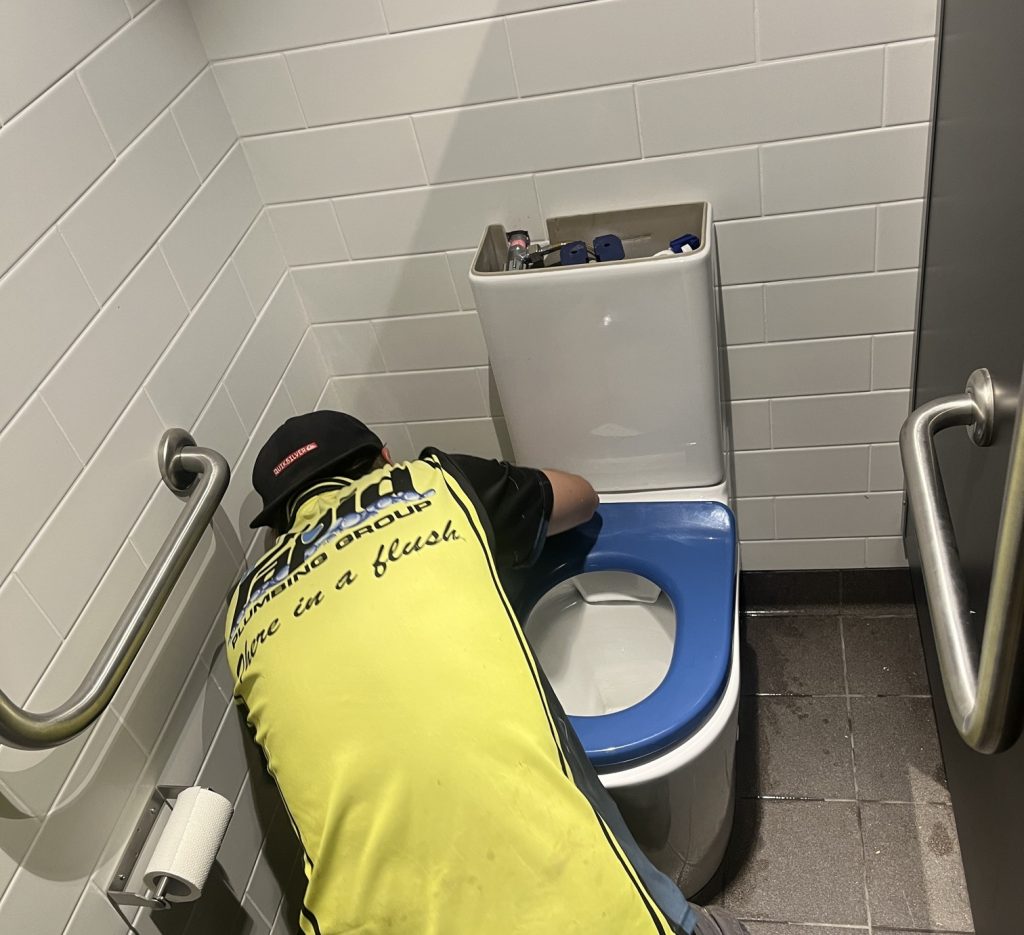
Most running toilets are a book-it-this-week job, not a drop-everything job. But a few situations deserve an urgent response:
- Water will not stop at all and the isolation valve beside the toilet is seized or missing, so you cannot shut the water off locally.
- Water is escaping the bowl or cistern onto the floor, especially near floorboards, carpet, or a downstairs ceiling.
- It is your only toilet and it cannot be used safely until it is repaired.
- The toilet is overflowing when flushed, which usually signals a blockage further down the line rather than a cistern fault. Persistent gurgling or slow draining alongside a running cistern can point to a partial blockage, and that is a job for blocked drain specialists with jetting equipment rather than a washer swap.
In any of those cases, do not wait for business hours. Local Quakers Hill Plumber runs a 24/7 emergency plumbing service across Quakers Hill and the surrounding suburbs, so a stuck valve at midnight does not have to run until morning.
If you can find the small isolation tap on the wall or floor beside the toilet, turning it clockwise will stop the water to that toilet only, without cutting supply to the rest of the house. That single step turns most toilet emergencies back into ordinary repairs.
What Affects the Cost of a Toilet Repair
No two running toilets cost exactly the same to fix, and any plumber quoting a fixed number sight unseen is guessing. The main factors are:
- Which part failed. A washer or flapper replacement sits at the simple end. A full fill valve or flush assembly replacement takes longer and involves more parts.
- The cistern type. Standard exposed cisterns are quick to access. Concealed in-wall cisterns, common in newer renovations, take more care and more time.
- Part availability. Common brands have parts on the van. Obsolete or imported cisterns may need parts ordered, or may be better replaced outright.
- Condition of the rest of the toilet. If the pan is cracked, the seals are gone, or the unit is decades old, replacing the toilet can be better value than repairing it repeatedly.
The honest answer is that a reputable local plumber inspects first, quotes upfront, and charges by the job, so the price you agree to is the price you pay. That is how Local Quakers Hill Plumber has operated in the area for over a decade, as a family owned business where free quotes come before any work begins. You can read more about the team and how they work on the about page.
Key Takeaways
- A running toilet is a leak, not a quirk. It wastes real water and real money every day it runs.
- The four first checks are the outlet seal, the fill valve and float, the flush mechanism, and the water level against the overflow tube.
- The dye test is the easiest way to confirm a leaking outlet seal at home.
- Observing is safe for homeowners; dismantling dual-flush internals is where DIY repairs go wrong.
- An overflowing or gurgling toilet points to a drain problem, not a cistern problem, and needs different equipment.
- Upfront, by-the-job pricing means you know the cost before the repair starts.
Frequently Asked Questions
Why does my toilet keep running after I flush?
The most common cause is a worn outlet valve seal that lets water seep from the cistern into the bowl, which triggers the fill valve to keep topping up. A misadjusted float or a sticking flush button can cause the same symptom. A plumber can usually identify which one it is within a few minutes of lifting the cistern lid.
How much water does a running toilet waste?
It depends on the fault. A slow silent leak may waste tens of litres a day, while a toilet with a fully stuck valve can waste hundreds of litres daily. Either way, the waste shows up on your water bill, which is often how households discover the problem in the first place.
Can I fix a running toilet myself?
You can safely diagnose it yourself with a visual check and a food colouring dye test. Actual repairs on modern dual-flush cisterns involve fragile plastic assemblies that are easy to damage, and a cracked cistern costs far more than a professional washer replacement. If the fault is confirmed, calling a licensed toilet repairs plumber in Quakers Hill is usually the cheaper path overall.
Is a running toilet an emergency?
Usually not, if you can isolate the water using the small tap beside the toilet. It becomes urgent when water cannot be shut off, when it is escaping onto floors, or when it is the only toilet in the home. In those cases, 24/7 emergency plumbers are available in Quakers Hill.
How long does a toilet repair take?
Most cistern repairs are completed in a single visit. Simple washer or seal replacements are quick, while full valve assembly replacements or concealed cistern repairs take longer. Your plumber can give a realistic time estimate once they have inspected the toilet.
Should I repair or replace an old toilet?
If the pan is sound and only the internals have worn, a repair or a full internal kit replacement is usually the best value. If the toilet is decades old, uses obsolete parts, or has needed repeated repairs, replacement can work out cheaper over time and will typically use less water per flush.
| Ready to stop the running? Call Local Quakers Hill Plumber on 02 9158 3597 for fast toilet repairs anywhere in Quakers Hill, with free upfront quotes and a fully licensed, insured, family owned team available 24/7. Prefer to book online? Schedule a service call here and the team will be in touch. |