Repair or Replace? Hot Water Repairs in Quakers Hill Explained
If your hot water system is leaking, running cold, heating slowly, or breaking down often, one question usually comes first: Repair or Replace? The answer depends on the system’s age, condition, fault type, and how much hot water your property needs. In many cases, hot water repairs Quakers Hill homeowners need can fix issues like faulty valves, thermostats, heating elements, pilot lights, tempering valves, or minor leaks. Replacement is usually the better option when the tank is corroded, the unit is too small, or repairs are becoming too frequent.
Should You Repair or Replace Your Hot Water System?
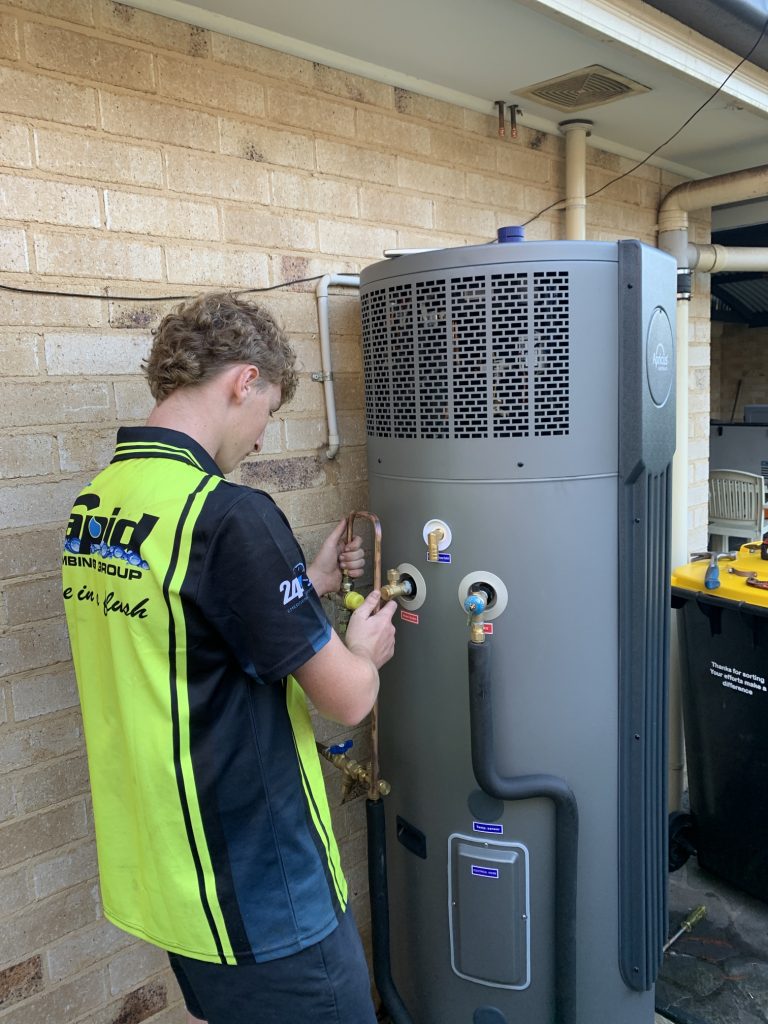
Repair is usually the right choice when the system is still in fair condition and the problem is limited to one part. Replacement is usually smarter when the system is old, badly rusted, leaking from the tank, or no longer keeping up with daily use.
For many Quakers Hill homes, the first sign of trouble is simple. The shower goes cold too quickly. The hot tap takes longer than usual to warm up. The system makes noise at night. Or there is a small puddle near the tank.
These signs do not always mean the whole unit has failed. A plumber may find that the problem is a worn valve, faulty thermostat, broken heating element, gas burner issue, or a tempering valve fault. These are common parts that can often be repaired or replaced without changing the entire system.
However, not every repair is good value. If the same unit has needed several repairs in a short period, it may be close to the end of its useful life. A repair might get it working again, but it may not stop the next breakdown.
The best decision comes from a proper inspection. A licensed plumber can check the unit, valves, pipework, water pressure, visible corrosion, and system performance. They can then explain whether the issue is a simple fix or a sign that replacement is more practical.
For homes, rental properties, shops, offices, and industrial sites in Quakers Hill, the goal is the same: safe, steady hot water without repeat problems.
What Problems Can Hot Water Repairs Quakers Hill Usually Fix?
Most hot water repairs Quakers Hill properties need are caused by worn parts, water pressure problems, heating faults, or issues with gas or electrical components. If the main tank or system body is still sound, many of these faults can be repaired.
Common repairable issues include no hot water, lukewarm water, fast-running cold showers, low hot water pressure, dripping valves, noisy systems, and pilot light problems. These issues can happen in gas, electric, instant, heat pump, solar, and commercial hot water systems.
For electric hot water units, a common fault may involve the thermostat or heating element. The thermostat controls the water temperature. The heating element warms the water inside the tank. If either part fails, the water may stay cold, heat slowly, or become inconsistent.
For gas hot water systems, the issue may involve the pilot light, burner, gas valve, ignition system, or gas supply. Gas work must always be handled by a qualified professional because poor gas fitting can create serious safety risks.
Instant hot water systems can also develop faults. You may see error codes, temperature changes, poor flow, or ignition trouble. Sometimes the issue is caused by blocked filters, flow sensors, or gas supply problems.
Repairs may also involve:
- Replacing a faulty tempering valve
- Fixing leaking pipe connections
- Replacing pressure relief valves
- Checking water pressure issues
- Repairing faulty controls
- Servicing gas hot water components
- Investigating leaks around the unit
- Testing why hot water runs out too quickly
Local Quaker Hills Plumber works with residential, commercial, and industrial hot water systems. That matters because a small household unit and a commercial hot water setup have very different demands.
When Is Replacement Better Than Another Repair?
Replacement is usually better when the repair will only be a short-term patch. If the tank is leaking, corrosion is spreading, parts are failing repeatedly, or the system is too small for the property, a new unit may be the more reliable option.
The biggest warning sign is a leaking storage tank. If water is dripping from a valve or connection, a plumber may be able to repair it. But if the tank itself is leaking, the internal cylinder may be damaged. Once a tank fails, replacement is usually the safer choice.
Age is also important. Older systems can keep working for a long time, but they often need more attention as parts wear down. If you are calling for repairs again and again, the cost and stress can add up.
Replacement may also be worth considering if your household has changed. A system that worked well for two people may struggle with a growing family, extra bathrooms, visitors, or heavier laundry use. In a business, hot water demand can rise when staff numbers, customer use, or operating hours increase.
Repair vs Replace: A Practical Comparison
Choose repair when:
- The unit is fairly new or in good condition
- The problem is limited to one part
- There is no major rust or tank leak
- Hot water demand has not changed
- The plumber expects the repair to last
Consider replacement when:
- The tank is leaking from the body
- Rusty water keeps coming from hot taps
- Breakdowns are becoming regular
- The unit is too small for your needs
- Parts are hard to source
- The system no longer runs safely or efficiently
A plumber can help you compare both options clearly. You should understand what has failed, what the repair involves, and whether replacement would give better long-term value.
How Do You Know Your Hot Water System Is Failing?
A failing hot water system usually gives warning signs before it stops working completely. The most common signs are changing water temperature, unusual noise, rusty water, leaks, poor pressure, or hot water running out faster than normal.
One of the first things people notice is inconsistent temperature. The water may start hot, then suddenly turn cold. It may feel warm but never properly hot. Or it may change temperature when another tap is turned on.
Noise is another warning sign. Popping, rumbling, banging, or hissing can suggest pressure issues, sediment build-up, valve problems, or heating faults. Not every sound is dangerous, but new or loud noises should not be ignored.
Rusty or discoloured water from hot taps can point to corrosion inside the tank or pipework. If the cold water is clear but the hot water is rusty, the hot water system needs inspection.
Signs to Watch For
Call a plumber if you notice:
- Hot water running out faster than usual
- Water that is only warm, not hot
- Sudden temperature changes in the shower
- Brown, red, or rusty water from hot taps
- Water pooling around the unit
- Constant dripping from a valve
- Loud rumbling or banging sounds
- A pilot light that keeps going out
- Error codes on an instant system
- A higher energy bill without clear reason
- Low hot water pressure at several fixtures
Some signs may come from the hot water unit. Others may come from pipework, valves, water pressure, or hidden leaks. Local Quaker Hills Plumber can check the wider plumbing system instead of guessing from one symptom.
Early action helps prevent a full breakdown. It may also stop water damage around walls, flooring, cupboards, and nearby fixtures.
What Should You Check Before Calling a Plumber?
Before calling a plumber, you can do a few safe checks to understand the problem better. These checks can help you explain what is happening, but they should not involve opening the unit, touching gas parts, or handling electrical components.
First, check whether the issue affects one tap or the whole property. If only one shower has poor hot water, the fault may be with the mixer, shower valve, or local pipework. If every hot tap is affected, the hot water system is more likely involved.
Next, look around the unit. Check for water on the floor, rust marks, damp walls, dripping valves, or unusual sounds. Do not place your hands near hot pipes or valves. A visual check is enough.
For electric systems, check whether the circuit breaker or safety switch has tripped. If it trips again after being reset, do not keep resetting it. That can suggest a fault that needs professional attention.
For gas systems, check whether other gas appliances are working. If you smell gas, leave the area, avoid flames and electrical switches, and call for urgent help.
You can also note:
- When the problem started
- Whether the water is cold, warm, or changing temperature
- Whether there are error codes
- Whether the unit is gas, electric, instant, solar, or heat pump
- Whether there is visible leaking
- Whether the problem happened after a storm or power outage
- Whether the issue is worse at certain times of day
These details help the plumber diagnose the issue faster. Still, do not delay calling if there is a major leak, gas smell, or no hot water in a property that urgently needs it.
Why Do Hot Water Repairs Quakers Hill Need a Licensed Plumber?
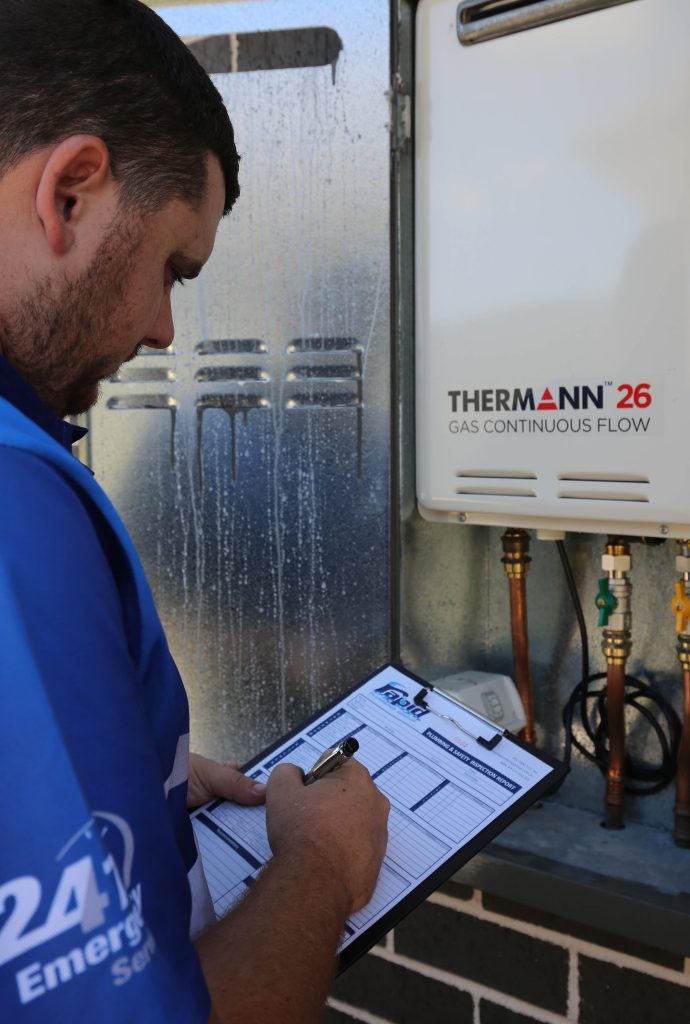
Hot water repairs Quakers Hill locals book should be handled by a licensed plumber because hot water systems involve pressure, heat, water supply, drainage, electricity, and sometimes gas. A wrong repair can lead to leaks, scalding, gas hazards, property damage, or complete system failure.
A plumber does more than replace the obvious faulty part. They check how the whole system is working. That may include the storage tank, pipes, valves, water pressure, temperature controls, drainage point, isolation valve, and safety parts.
One important part is the tempering valve. This valve mixes hot and cold water to reduce the risk of scalding at taps. If it fails, the water may become too hot, too cool, or unstable. Many homeowners think the system itself has failed when the issue may be the valve.
Another key part is the pressure relief valve. This valve helps release excess pressure from the system. If it leaks constantly or does not work properly, it needs inspection. Ignoring pressure problems can place strain on the unit.
Gas systems need extra care. Gas hot water repairs may involve the pilot light, burner, gas valve, flue, or gas supply. These are not DIY jobs. A licensed gas plumber can check the system safely and make sure it is operating correctly.
Professional diagnosis also helps avoid unnecessary replacement. Sometimes a system that seems “dead” only needs a part replaced. Other times, a plumber may find that repair is not safe or practical.
Local Quaker Hills Plumber provides hot water repairs, hot water system installation, gas plumbing, leak detection, and emergency plumbing across Quakers Hill homes, businesses, and industrial sites.
What Happens During a Hot Water Repair Visit?
During a hot water repair visit, the plumber will inspect the system, identify the fault, explain the repair options, and test the unit before finishing the job. The aim is to fix the cause of the problem, not just the symptom.
The visit usually starts with questions. The plumber may ask when the issue began, whether the water is cold or only lukewarm, whether the problem affects every hot tap, and whether you have noticed leaks, noises, smells, or error codes.
Next, the plumber will inspect the hot water unit. This may include checking the valves, pipe connections, visible rust, power or gas supply, temperature controls, pressure, and drainage. For gas systems, they may also check ignition, burner operation, ventilation, and signs of gas-related faults.
If the issue is linked to a common part, the plumber may recommend a repair. This could involve replacing a valve, thermostat, heating element, tempering valve, or faulty connection. If the system is badly corroded or unsafe, the plumber may recommend replacement instead.
For homes, the focus is usually comfort, safety, and steady supply. For businesses, the plumber may also consider operating hours, staff use, customer bathrooms, hygiene needs, and how downtime affects work.
A good repair visit should leave you with clear answers:
- What caused the problem?
- Can it be repaired safely?
- Is the repair likely to last?
- Is replacement a better option?
- Are there other plumbing issues involved?
- What should you watch for next?
After the repair, the plumber should test the system and check that hot water is flowing properly. They may also give simple care advice to help prevent repeat issues.
How Can You Prevent Repeat Hot Water Problems?
You can reduce repeat hot water problems by acting early, keeping the unit accessible, watching for leaks, and booking servicing when the system shows signs of wear. Hot water systems work every day, so small faults can grow if they are ignored.
Start with simple observation. Check the area around the system every now and then. Look for water stains, rust marks, damp flooring, strange sounds, or constant dripping from valves. These signs are easier to manage when caught early.
Keep the area around the unit clear. Stored boxes, weeds, rubbish, or garden items can block access and make repairs harder. Outdoor units should also be easy for a plumber to reach safely.
Do not ignore small leaks. A minor drip can waste water and may point to pressure or valve problems. A hidden leak near the unit can also damage walls, floors, and cupboards. Local Quaker Hills Plumber offers water, shower, pool, and gas leak detection, which can help when the issue is not easy to see.
Make sure the system still suits your needs. If your household has grown or your business uses more hot water than before, the unit may be working harder than it should. In that case, repeat breakdowns may be a sign of undersizing.
You can also reduce strain by spreading heavy hot water use where practical. Running several showers, washing machines, and dishwashers at once can expose capacity problems in smaller systems.
The main rule is simple: do not wait until the system completely fails. Early inspection can give you more repair options and help avoid emergency breakdowns.
FAQ: Hot Water Repairs in Quakers Hill
Is it worth repairing an old hot water system?
It depends on the fault and the system’s condition. If the issue is a valve, thermostat, connection, or heating element, repair may still be worthwhile. If the tank is leaking, badly rusted, or breaking down often, replacement may be the better long-term option.
Why do I have warm water but not hot water?
Warm water can be caused by a faulty thermostat, worn heating element, tempering valve problem, gas burner issue, or a system that is too small for your needs. A plumber can test the unit and check whether the fault is inside the system or connected pipework.
Should I turn off my hot water system if it is leaking?
Yes, if it is safe. Turn off the water supply to the unit and the power or gas supply if you know how. Do not touch electrical parts or gas fittings. Call a plumber quickly, especially if water is pooling or damaging nearby areas.
Why does my hot water run out so quickly?
Your system may be too small, the thermostat may be faulty, the heating element may be worn, or the tank may not be heating fully. It can also happen when household or business demand increases. A plumber can check whether repair or replacement is the better option.
Can a plumber repair instant hot water systems?
Yes, many instant hot water system faults can be inspected and repaired by a licensed plumber. Common issues include ignition faults, flow problems, blocked filters, gas supply issues, and error codes. Some manufacturer-specific or electrical faults may need extra specialist support.
When should I call an emergency plumber for hot water?
Call an emergency plumber if there is a major leak, no hot water in an urgent situation, a gas smell, repeated power tripping, or signs the unit is unsafe. You should also call quickly if water is spreading near walls, floors, cupboards, or electrical areas.
Need Hot Water Repairs Quakers Hill Locals Can Rely On?
A hot water problem can be a simple repair, a warning sign, or a clear signal that your system needs replacing. The safest step is to have the unit inspected before spending money on the wrong fix. A plumber can check the system, explain what has failed, and help you decide whether repair or replacement makes sense.
For reliable hot water repairs Quakers Hill homeowners, businesses, and industrial sites can trust, contact Local Quaker Hills Plumber. The team helps with hot water repairs, servicing, installation, gas fitting, leak detection, general plumbing, blocked drains, and 24/7 emergency plumbing across Quaker Hills and surrounding local areas.