Pilot Light Keeps Going Out (Gas Hot Water): Common Reasons and Fixes
If your gas hot water pilot light keeps going out, it’s more than just annoying—it can disrupt showers, laundry, dishwashing, and daily routines fast. In Penrith and surrounding suburbs, we see this happen most often during colder mornings, after storms or windy days, or when a hot water system hasn’t been serviced for a long time. Many homeowners assume it’s “just an old unit,” but a pilot that won’t stay lit can signal anything from simple dust buildup to a serious ventilation or gas supply issue.
The good news is: many pilot light problems are fixable—especially when they’re diagnosed early. The key is knowing what’s safe to check yourself and what should be handled by a licensed professional. Gas hot water systems have safety devices designed to shut off gas if something isn’t right, so repeated shutdowns usually mean a component is failing or the system isn’t burning gas cleanly.
This pillar guide is written for an Australian audience and designed to be easy for an 8th grader to understand. It covers common reasons a pilot light keeps going out, safe at-home checks, and the professional fixes that actually solve the problem long-term. If you need help locally, Local Quaker Hills Plumber provides residential plumbing in Penrith and nearby areas, including hot water repairs, gas fitting, leak detection, and 24/7 emergency plumbing support.
What Is a Pilot Light and Why Does It Matter?
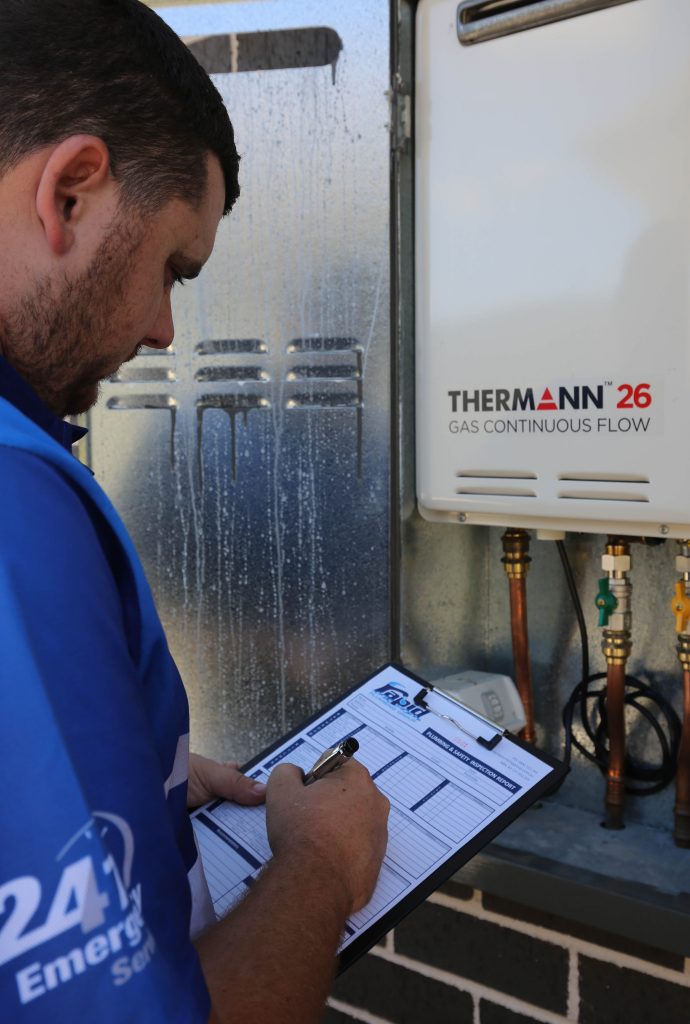
A pilot light is a small flame that stays on inside many gas hot water systems. Its job is to ignite the main burner when the unit needs to heat water. You can think of it like a candle that’s always ready to light a bigger flame when hot water is needed.
When the pilot is working properly:
- The pilot flame stays steady and hot.
- It heats a safety sensor (usually a thermocouple).
- The sensor tells the gas valve it’s safe to keep gas flowing.
- When you turn on the hot tap, the main burner fires up and heats your water.
When the pilot light keeps going out, the system can’t ignite properly, which means:
- You may get sudden cold water mid-shower.
- Hot water may run out faster than normal.
- The unit may fail completely and refuse to heat water at all.
In a lot of Penrith homes, gas hot water systems are installed outdoors or in semi-exposed areas (side passages, backyards, laundry enclosures). That makes them more likely to collect dust, leaves, insects, and moisture—things that can interfere with the pilot flame and combustion.
Related service that matters here: If you’re dealing with recurring hot water issues, Local Quaker Hills Plumber can perform hot water system servicing, inspection and testing, and safe diagnostics so you don’t waste time relighting the system over and over.
Quick Safety Note (Read This Before Anything Else)
Gas hot water problems are not like a dripping tap. Because gas is involved, safety always comes first. A pilot light that keeps going out can sometimes indicate unsafe combustion, poor ventilation, or a failing safety device that’s shutting gas off for a reason.
Call a licensed plumber/gas fitter urgently if you notice:
- Gas smell (rotten egg smell or a sharp chemical odour)
- A hissing sound near the unit or gas line
- Soot marks around the burner door or vents
- Burning smell, unusual fumes, or eye irritation near the unit
- People in the house feeling headaches, dizziness, nausea, especially indoors (possible carbon monoxide risk)
- The unit is in a tight enclosure with limited airflow
What you can safely do right now:
- Turn the system off if you feel unsafe
- Open windows/doors if the unit is indoors or semi-enclosed
- Keep kids and pets away from the unit
- Book a professional inspection rather than repeatedly relighting
In Australia, gas fitting and many repairs must be done by a licensed plumber/gas fitter. That includes tasks like gas valve replacement, flue work, burner servicing, pressure testing, and leak detection.
Related services that matter here:
- Gas leak detection
- Hot water servicing and repairs (gas systems)
- Inspections and testing for safe operation
- 24/7 emergency plumbing if you have no hot water or suspect a safety issue
Common Reasons Your Pilot Light Keeps Going Out (And What Usually Fixes It)
Below are the most common causes we see in the field. The goal isn’t to make you a technician—it’s to help you understand what’s happening and why proper diagnosis matters.
1) Faulty Thermocouple (Most Common Cause)
The thermocouple is a safety sensor. It sits in the pilot flame and produces a small electrical signal when heated. That signal tells the gas valve, “The flame is on—keep the gas flowing.” If it doesn’t detect heat, it shuts off gas to prevent leaks.
Over time, thermocouples can:
- Wear out from heat exposure
- Get coated with carbon or dirt
- Become loose from vibration
- Shift out of position so they’re not properly in the flame
Common signs:
- Pilot lights, but goes out as soon as you release the button
- Pilot stays lit sometimes, but not consistently
- The unit has been reliable for years and suddenly becomes temperamental
Professional fix:
A licensed plumber will test the thermocouple, check its placement, clean it if appropriate, or replace it if it’s failing. Thermocouple replacement is one of the most common and cost-effective hot water repairs.
Related services that connect here:
- Hot water system servicing
- Gas hot water repairs
- Inspection and testing (to ensure the unit shuts down safely and relights correctly)
2) Dirty Pilot Burner or Blocked Pilot Orifice
The pilot flame comes through a tiny opening called the pilot orifice. Because it’s so small, it can easily get blocked by:
- Dust
- Lint (especially near laundries)
- Leaves
- Spider webs (very common)
- Insects or debris after storms
When that happens, the pilot flame may be weak, flickering, or yellow, and it won’t heat the thermocouple enough—so the safety system shuts down.
Common signs:
- Pilot flame looks tiny, “lazy,” or mostly yellow
- Pilot takes multiple tries to ignite
- The unit runs fine once it’s going—but struggles to stay lit
Professional fix:
A proper service includes cleaning the pilot burner and checking the combustion area safely. This is part of a general hot water tune-up and can dramatically improve reliability.
Related services that connect here:
- General plumbing inspections and testing
- Hot water servicing
- Preventative maintenance to reduce repeat breakdowns
3) Downdraft or Wind Blowing the Pilot Out
In Penrith, wind can be a real issue depending on the home layout. Outdoor units installed in narrow side passages or near corners can get strong gusts that disturb the flame.
Wind problems often happen when:
- The unit is exposed with no shielding
- There’s a strong cross-breeze between fences/walls
- The flue is affected by wind direction (downdrafting)
Common signs:
- Pilot goes out more on windy days
- Pilot stays lit in calm weather
- The flame visibly moves or flickers hard
Professional fix:
A plumber will assess installation positioning, ventilation, and flue draft. The fix could include compliant wind shielding, repositioning components, or correcting flue issues—but only in a way that meets safety standards.
Related services that connect here:
- Hot water repairs
- Inspection and testing
- Gas fitting services (when adjustments or replacements involve gas components)
4) Ventilation Problems (Too Much or Too Little Air)
Gas needs the right mix of air to burn cleanly. If the unit can’t “breathe,” the flame becomes unstable. If there’s too much airflow rushing through, the pilot can also be disturbed.
This can happen when:
- A unit is placed in a tight enclosure
- Vent openings are blocked by storage items
- Renovations changed airflow around the unit
- Exhaust fans or drafts affect the burner area
Common signs:
- Pilot won’t stay lit when a door is closed
- You notice fumes or stale air near the unit
- The flame colour looks wrong (yellow/orange)
Professional fix:
Ventilation issues require an experienced plumber to evaluate safely. They may recommend clearing obstructions, correcting airflow, or ensuring the setup meets Australian ventilation requirements.
Related services that connect here:
- Plumbing inspections and testing
- Hot water servicing
- Safety checks for gas appliances
5) Flue or Exhaust Issues (Blocked, Damaged, or Poor Draft)
The flue removes combustion gases safely. If the flue is blocked or not drafting correctly, hot gases can build up where they shouldn’t. That can cause the pilot to go out or safety controls to shut the system down.
Common blockage causes include:
- Leaves and debris
- Bird nests
- Insect buildup
- Corrosion or flue damage
Common signs:
- Soot marks or staining near vents
- Unusual smells near the unit
- Pilot goes out shortly after the main burner runs
Professional fix:
Flue inspection and repair must be done professionally. A plumber will check draft, clear blockages, and make sure venting is safe.
Related services that connect here:
- Hot water system inspection
- Safety testing
- Emergency plumbing if the system is unsafe or not operating
6) Faulty Gas Control Valve
The gas control valve controls gas to the pilot and burner. If it’s failing, it might not hold the pilot setting or may shut off unexpectedly.
Common signs:
- Pilot won’t stay lit even after correct lighting steps
- System behaves inconsistently with no clear pattern
- Repeated breakdowns in an older unit
Professional fix:
A plumber will test the control valve and safety circuits. If replacement is needed, they’ll advise whether it’s worth repairing or whether system replacement makes more sense.
Related services that connect here:
- Gas fitting
- Hot water repairs
- Hot water system replacement (if repair is not cost-effective)
7) Low Gas Pressure or Gas Supply Problems
If gas pressure is low, your pilot might burn weakly or go out—especially when other appliances are running. This can be caused by:
- Regulator issues
- Supply issues
- Appliance demand exceeding capacity
- Faults in gas lines
Common signs:
- Pilot goes out when the stove/heater turns on
- Stove flame seems weak too
- Problem appeared after adding a new gas appliance
Professional fix:
A licensed gas fitter can test gas pressure, check regulators, and inspect for supply problems. This is not a DIY situation.
Related services that connect here:
- Gas plumbing and installations
- Gas leak detection
- Appliance installs and repairs
8) Overheating, Thermostat Problems, or Safety Cut-Off Activation
If a thermostat or safety device is malfunctioning, the system may shut down more often than it should.
Common signs:
- Hot water temperature is inconsistent
- The unit shuts down after heating
- Water is sometimes too hot, sometimes lukewarm
Professional fix:
A plumber will test thermostat function, burner operation, and safety shut-offs. They can replace faulty parts and confirm the system heats water safely.
Related services that connect here:
- Hot water system servicing
- Inspections and testing
- Commercial hot water servicing (where demand is higher)
9) General Wear, Corrosion, and “End of Life” Systems
Sometimes the pilot going out is the final symptom of an ageing system. Older units often develop multiple small problems:
- Corroded burner components
- Reduced efficiency
- Frequent shutdowns
- Higher gas bills
Common signs:
- Unit is older and repairs are becoming frequent
- You’re relighting the pilot weekly or daily
- Your hot water runs out quickly or takes too long to heat
Professional fix:
A plumber can give you a clear repair-vs-replace recommendation. If replacement is best, they can supply and install options such as:
- Gas storage
- Gas instant systems
- Electric hot water
- Heat pump hot water
- Solar hot water with booster
- Commercial systems for high-demand properties
Related services that connect here:
- Hot water system supply and installation
- Hot water servicing
- Residential, commercial, and industrial plumbing
What You Can Safely Check at Home (Without Tools or Dismantling)
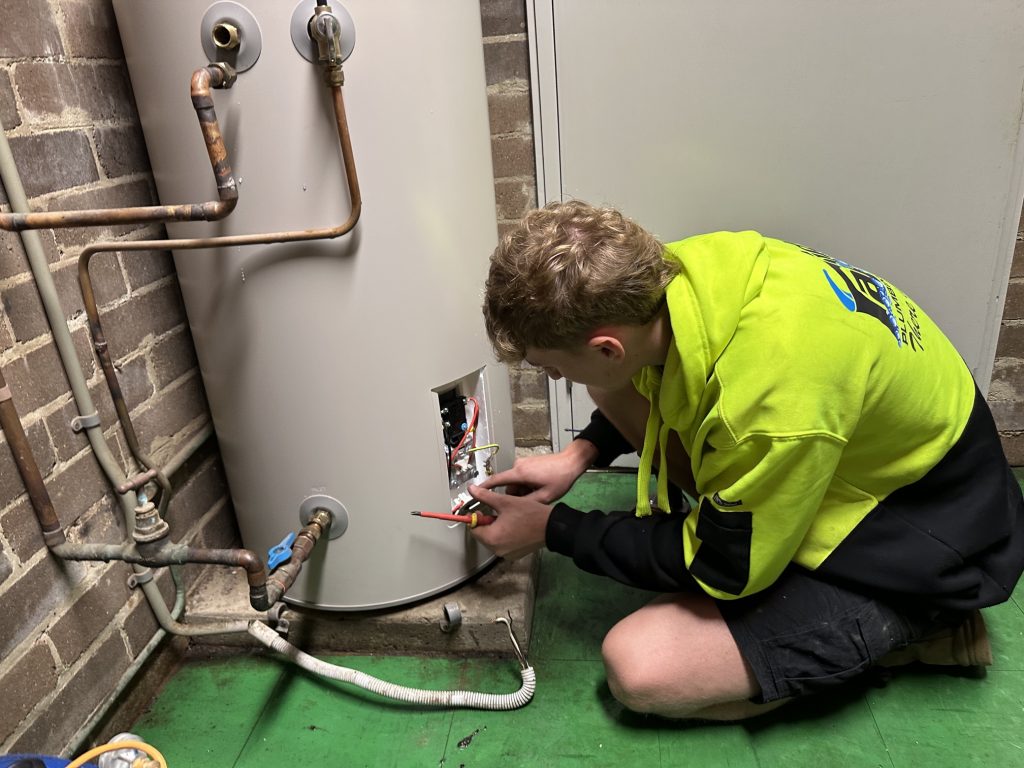
These checks are safe because they don’t involve opening gas components or adjusting internal parts.
1) Clear the Area Around the Unit
- Remove stored items (paint cans, boxes, garden tools)
- Clear leaves and debris around outdoor units
- Keep airflow pathways open
2) Note Weather and Wind Patterns
If the pilot goes out only on windy days, note that—it’s a useful clue for diagnosing draft issues.
3) Observe the Pilot Flame Safely
If you can see the flame through a viewing window:
- A healthy flame is usually steady and mostly blue
- A weak yellow flame can suggest dirt or poor combustion
4) Follow Lighting Instructions Exactly
Sometimes a pilot won’t hold because the button wasn’t held long enough. Follow the label steps carefully.
If it keeps failing, stop relighting repeatedly and book a service. Repeated ignition attempts can worsen some faults and mask the real issue.
What You Should NOT Do
To avoid safety risks and expensive damage:
- Don’t dismantle the burner or pilot assembly
- Don’t adjust gas valves or internal fittings
- Don’t block vents or “seal gaps” around a gas unit
- Don’t ignore soot or fumes
- Don’t keep trying to relight all day (that’s a sign it needs service)
How a Licensed Plumber Diagnoses This Properly (No Guesswork)
At Local Quaker Hills Plumber, we treat pilot light problems as both a reliability issue and a safety check.
A proper diagnostic service may include:
- Inspecting the pilot flame quality and burner condition
- Checking thermocouple position and performance
- Cleaning pilot/burner components safely
- Testing gas pressure and supply consistency
- Inspecting ventilation and flue draft
- Checking for gas leaks (if needed)
- Confirming safe ignition cycles and shutdown behaviour
- Advising on repair vs replacement with clear pricing and options
Because we provide residential plumbing in Penrith, we also look for related issues that can appear during hot water call-outs, such as:
- Water leaks around valves and fittings
- Blocked drain issues caused by overflow or relief valve discharge
- Shower and tap problems that make hot water feel “worse” than it is
- Water pressure issues that affect hot water delivery
That’s why many hot water jobs end with extra value—like identifying a leaking valve early or preventing a future breakdown.
Why Pilot Light Problems Are Common in Penrith Homes
Penrith conditions often contribute to pilot issues:
- Outdoor installations exposed to dust, insects, and leaves
- Seasonal cold snaps that stress older components
- Wind patterns around fences, carports, and side passages
- High household demand (families using hot water back-to-back)
Also, many homes have mixed plumbing issues that interact. For example:
- If water pressure is inconsistent, your hot water system may cycle differently
- If you have blocked drains, overflow discharge can cause moisture near equipment
- If there are small gas supply problems, your hot water unit may be the first to show symptoms
This is why a full inspection by a plumber who understands the local environment matters.
FAQs: Pilot Light Keeps Going Out (Gas Hot Water)
Why does my pilot go out when I release the button?
Usually the thermocouple isn’t heating properly, or the gas control system isn’t holding. Cleaning, adjustment, or replacement may be needed.
Can I keep relighting the pilot every time it goes out?
You can relight once or twice if you’re following the correct instructions, but repeated failures mean the safety system is shutting down for a reason. It’s best to book a service.
Is a yellow pilot flame a problem?
It can be. Yellow or lazy flames often indicate dirty components or poor combustion, which should be assessed by a licensed plumber.
Could blocked drains or plumbing issues affect my hot water?
Indirectly, yes. Drain issues can cause moisture and overflow near plumbing areas, and water pressure problems can affect hot water performance. A full plumbing inspection can reveal connected issues.
How Local Quaker Hills Plumber Can Help You in Penrith
If your pilot light keeps going out, don’t waste hours relighting it or hoping it “fixes itself.” A reliable repair starts with safe testing, correct diagnosis, and proper servicing—not guesswork.
Local Quaker Hills Plumber provides fast, dependable residential plumbing in Penrith and nearby areas, including:
- Gas hot water repairs and servicing (pilot faults, ignition issues, burner problems)
- Hot water system supply and installation (gas, electric, instant, heat pumps, solar, and commercial hot water)
- Gas fitting and gas plumbing (appliance installs, repairs, gas leak detection)
- 24/7 emergency plumbing (no hot water, urgent leaks, urgent safety concerns)
- General plumbing repairs and installations (taps, toilets, showers, inspections and testing)
- Blocked drain clearing and repairs (water jetting, drain/sewer cleaning, CCTV camera inspections, tree root removal)
- Leak detection (water, shower, pool, and gas)
- Water filtration solutions for cleaner, better-tasting water
Call Local Quaker Hills Plumber today on 291583597 to book an inspection.
We’ll get your hot water system running safely again—and keep it reliable through the weeks ahead.