Hot Water Runs Warm Then Cold in the Shower: What’s Causing It
A shower that starts warm and then suddenly turns cold can ruin your morning fast. One minute you’re comfortable, the next you’re jumping out of the water, trying not to slip while you scramble to adjust the mixer. If this keeps happening, it’s not just “one of those things” you have to live with—there’s almost always a real plumbing or hot water system reason behind it.
In many Penrith homes (including Quakers Hill and nearby suburbs), we see this issue tied to a few repeat culprits: undersized hot water units, worn tempering valves, flow-rate problems in continuous flow systems, pressure changes when other taps run, and older shower mixers that can’t keep a stable blend anymore. Sometimes it’s also a sign the system needs a proper service—especially if sediment or scale is starting to build up inside the unit or lines.
As Local Quaker Hills Plumber, we fix these problems across residential, commercial, and industrial properties—whether it’s a family home with two bathrooms, a rental property with tenants complaining about “cold bursts,” or a workplace where multiple people are using amenities at peak times. This guide will walk you through the most common causes, what you can safely check, and what a licensed plumber or gas fitter can do to solve it properly.
Why does the shower go warm, then cold?
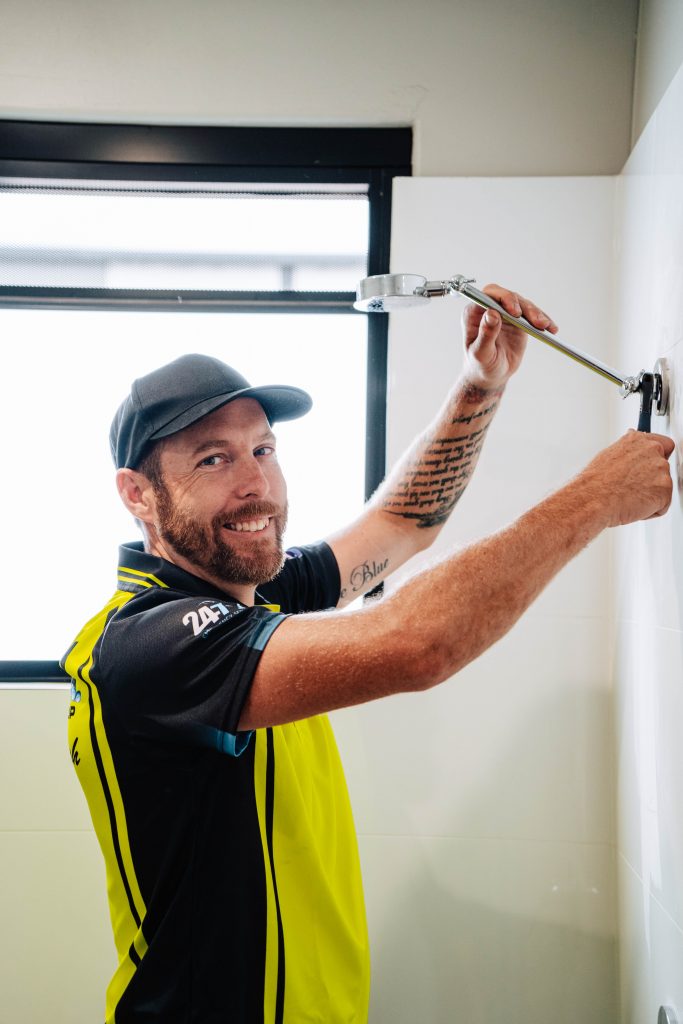
When your shower goes warm then cold, the issue usually comes down to one of four things: the hot water supply is running out, the hot water temperature is being mixed incorrectly, the water flow is unstable, or the heater can’t maintain consistent heating under real-life demand.
Here’s what that looks like in plain terms:
- You run out of stored hot water (storage tank is too small, or your household demand is high).
- The system can’t heat fast enough to keep up (recovery problem, thermostat/element issue, burner issue).
- A valve is mixing too much cold water into your bathroom lines (tempering valve/TMV faults are very common).
- Flow or pressure drops cause the heater to shut off or change output (common with continuous flow/instant systems).
- Another fixture “steals” water and disrupts the balance (toilet refill, tap use, washing machine, dishwasher).
- A shower mixer or cartridge is failing, so the blend shifts even if the heater is fine.
At Local Quaker Hills Plumber, we don’t just swap parts and hope. We do inspection and testing to pinpoint whether it’s a hot water system issue, a plumbing distribution issue, or a shower fitting issue—because the fix is very different depending on the root cause.
First: identify your hot water system type (quick guide)
Before you can fix warm-then-cold showers, you need to know what kind of system you have, because each one behaves differently when something goes wrong. If you’re not sure, don’t worry—we can identify it quickly during a site visit.
Gas or electric storage tank
A storage tank holds a set volume of hot water—so it can run out. In many homes, this is the simplest explanation for a shower that turns cold after a predictable amount of time.
What it looks like:
- A large cylinder tank (often outside, in a side passage, garage, or laundry).
- A visible temperature/pressure relief valve and pipework on the side.
- Hot water is great at first, then fades when the tank is depleted.
What we commonly do for storage systems:
- Hot water servicing and repairs (gas or electric)
- Replacing worn thermostats, elements, or valves
- Checking for leaks around the tank and connections (prevents water damage)
- Advising on correct sizing for households with more bathrooms or higher usage
Instant/continuous flow (gas or electric)
These are designed to provide “endless” hot water, but they rely heavily on stable flow and stable supply conditions. If flow drops too low, the unit can cut out—causing cold bursts.
What it looks like:
- A wall-mounted unit (often outside).
- Usually has a small digital screen or indicator lights.
- May show error codes when something isn’t right.
What we do for continuous flow problems:
- Clean inlet filters and check for blockages
- Service burners/heat exchangers (common cause of unstable heating)
- Test flow rates and pressure at fixtures
- Gas leak detection and gas fitting compliance checks where required
Heat pump
Heat pumps are efficient, but they can be sensitive to settings and ambient temperature. Recovery can feel slower, especially during colder mornings.
What it looks like:
- Tank system with a “fan unit” on top or beside the tank.
- Often installed outside.
What we do for heat pumps:
- System performance checks and servicing
- Checking tempering valve performance (very common contributor)
- Reviewing booster settings and demand suitability for your household
Solar hot water
Solar systems often have great output—until you hit cloudy days, faulty boosters, or mixing valve issues. Many warm-then-cold complaints happen when the booster isn’t functioning correctly.
What it looks like:
- Solar panels on the roof connected to a tank.
- A booster system (gas or electric).
What we do for solar hot water:
- Diagnose booster operation
- Inspect tempering valve/TMV and safety delivery temperatures
- Check for plumbing circulation/pressure issues
The most common causes of warm-then-cold showers (and what they mean)
1) Your hot water tank is too small (or you’re using more hot water than you think)
This is one of the most common real-world causes in family homes and rentals: the tank simply doesn’t have enough capacity for how the household uses water now.
Why it happens:
- Longer showers, rain showerheads, or multiple bathrooms increase hot water demand.
- A growing family means more back-to-back showers.
- Dishwashers and washing machines draw hot water at the same time.
Signs it’s likely:
- The shower goes cold after a similar time each day (like 8–15 minutes).
- It gets worse when two people shower close together.
- Hot water is worse during morning or evening peak use.
How we solve it (plumber’s approach):
- We can calculate whether your tank size matches your household demand.
- We inspect and test your hot water unit to see if it’s performing at full capacity.
- If the tank is undersized, we’ll recommend the most practical upgrade path:
- Larger storage system
- Efficient continuous flow option
- Or a solution suitable for multi-bathroom homes and higher usage patterns
Related services we provide:
- Hot water system supply, installation, servicing, and repairs
- General plumbing upgrades (shower and bathroom plumbing)
- Inspections and testing for rental compliance or maintenance planning
2) The tempering valve (or thermostatic mixing valve) is failing
Tempering valves are widely used in Australian homes to prevent scalding by lowering hot water delivery temperature to bathrooms. When these valves fail, they can cause unpredictable shower temperatures.
Why it happens:
- Valves wear out over time.
- Sediment or scale can restrict the valve and make it stick.
- Internal components can fail, causing inconsistent mixing.
Signs it’s likely:
- Bathroom hot water is inconsistent, but the kitchen may be stable or hotter.
- You get sudden cold bursts even in short showers.
- Fluctuations happen when other taps are used.
How we fix it:
- We do inspection and testing to confirm the valve is working correctly.
- We check outlet temperatures for safety and consistency.
- If needed, we clean or replace the tempering valve/TMV with a compliant unit.
Related services we provide:
- Plumbing inspections and testing
- Valve replacements and bathroom plumbing repairs
- Water filtration solutions to reduce sediment-related wear
3) Your instant hot water system is “short cycling” or losing flame
Instant hot water is meant to be stable, so hot-cold-hot cycling is usually a sign something is interrupting operation—most often flow or supply issues.
Why it happens:
- Flow drops below the unit’s minimum requirement (due to low-flow fixtures, partial blockages, or pressure fluctuations).
- Inlet filters are clogged.
- Sensors or internal parts need servicing.
- Gas units may have burner, ignition, or regulator issues.
Signs it’s likely:
- Hot-cold-hot cycling happens repeatedly.
- The unit clicks or re-ignites often.
- Error codes appear on the display.
- It’s worse in one bathroom than another.
What we do professionally:
- Clean filters and test flow rates.
- Service the unit (burner, heat exchanger, sensors).
- For gas systems, we test gas supply and do gas leak detection if required.
- If the unit is aged, we help you decide whether servicing or replacement is best value.
Related services we provide:
- Hot water servicing and repairs (instant systems)
- Gas fitting and gas plumbing (installs, repairs, leak detection)
- General plumbing repairs that affect flow/pressure
4) Sediment build-up is choking your system
Sediment is a silent killer of hot water performance. It reduces efficiency, shortens system life, and can absolutely cause warm-then-cold shower behaviour.
Why it happens:
- Minerals settle in tanks, reducing usable hot water volume.
- Scale coats heating surfaces, reducing heat transfer.
- Valves and filters clog, restricting flow.
Signs it’s likely:
- Hot water doesn’t last like it used to.
- Strange noises from the tank (popping/rattling).
- Pressure reduction over time.
- The system hasn’t been serviced in years.
How we handle it:
- Servicing and flushing where appropriate and safe.
- Valve and component inspections.
- Water filtration recommendations (especially if sediment keeps coming back).
Related services we provide:
- Hot water servicing and repairs
- Water filtration solutions
- Leak detection if sediment has contributed to corrosion or weak points
5) Someone uses another tap and your shower temperature changes
If your shower temperature drops when someone flushes a toilet, turns on a tap, or starts the washing machine, it’s often a pressure balancing problem—not necessarily a heater problem.
Why it happens:
- Your shower mixer relies on balanced hot and cold pressure.
- When another fixture draws cold water, the pressure changes.
- Older plumbing layouts and fixtures are more sensitive.
Signs it’s likely:
- The cold burst happens exactly when someone uses another tap.
- Pressure drops at the same time.
- It’s worse in older homes or when water-saving restrictions reduce flow.
Solutions we commonly provide:
- Upgrade to a thermostatic mixer or improve fixture setup.
- Test and correct pressure issues.
- Identify restrictions or pipe sizing issues that cause dramatic pressure swings.
Related services we provide:
- Shower and bathroom plumbing repairs/installations
- General plumbing inspections and testing
- Residential plumbing upgrades across Penrith homes
6) Faulty shower mixer, cartridge, or diverter
Sometimes the hot water system is doing its job—your shower hardware isn’t.
Why it happens:
- Mixer cartridges wear out and can’t hold a stable blend.
- Internal seals fail and cause unintended mixing.
- Showerhead filters or restrictions alter flow.
Signs it’s likely:
- Only one shower is affected.
- Other taps/showers are stable.
- The handle feels loose or inconsistent.
- Adjusting the mixer doesn’t behave normally.
What we do:
- Diagnose at the fixture first (fast and cost-effective).
- Replace the cartridge, repair seals, or install a new mixer if needed.
- Check showerhead and filters to ensure healthy flow.
Related services we provide:
- Taps, toilets, showers—repairs and installations
- Inspection and testing of bathroom plumbing
- Water efficiency improvements without sacrificing comfort
7) The thermostat or heating element is failing (electric systems)
Electric storage systems often fail gradually. Before the system completely dies, you’ll get symptoms like “warm but not hot” water or inconsistent temperature.
Why it happens:
- The element heats unevenly or intermittently.
- The thermostat fails to regulate temperature correctly.
- Wiring issues (less common, but possible) can affect heating cycles.
Signs it’s likely:
- Water is never properly hot.
- The shower goes warm then cold quickly.
- You notice changes in electricity use.
- The system is older (8–12+ years is common).
How we fix it:
- Inspection and testing to confirm element/thermostat issues.
- Repairs where cost-effective.
- Replacement recommendations when the system is near end-of-life.
Related services we provide:
- Hot water system repairs and replacements
- Leak detection around tanks and fittings (prevent damage)
- Plumbing maintenance for landlords and property managers
8) Gas supply or burner issues (gas systems)
Gas hot water systems need clean burners and stable gas supply to maintain consistent heat output.
Why it happens:
- Burner is dirty or partially blocked.
- Regulator issues affect gas pressure.
- Heat exchanger needs servicing.
- Ventilation or ignition components are failing.
Signs it’s likely:
- Heat output feels weaker in winter.
- Unit ignites, then cuts out.
- Error codes appear.
- You smell gas or hear unusual hissing (urgent).
What we do:
- Safe diagnostics as licensed plumbers/gas fitters.
- Gas leak detection.
- Burner servicing and component replacement.
- Appliance installation/repair checks for compliance.
Related services we provide:
- Gas fitting and gas plumbing (installations, repairs, leak detection)
- Hot water repairs for gas storage and instant systems
- Emergency plumbing support when systems fail suddenly
9) Incorrect settings (heat pump or solar booster)
Some systems aren’t “broken”—they’re just not set up correctly for your usage pattern.
Why it happens:
- Booster is disabled or on a timer that doesn’t match demand.
- System settings changed after a power outage.
- Recovery times not considered for morning peak use.
Signs it’s likely:
- Worse in early morning.
- Worse after cloudy days (solar).
- Improves later in the day.
How we solve it:
- Check performance and settings during inspection.
- Ensure booster operation is correct.
- Verify tempering valve delivery temperatures remain stable and safe.
Related services we provide:
- Hot water system servicing (solar, heat pump, commercial hot water)
- Plumbing inspections and testing
- Upgrades where the current system no longer fits your household needs
Safe troubleshooting: what you can check at home (without risking damage)
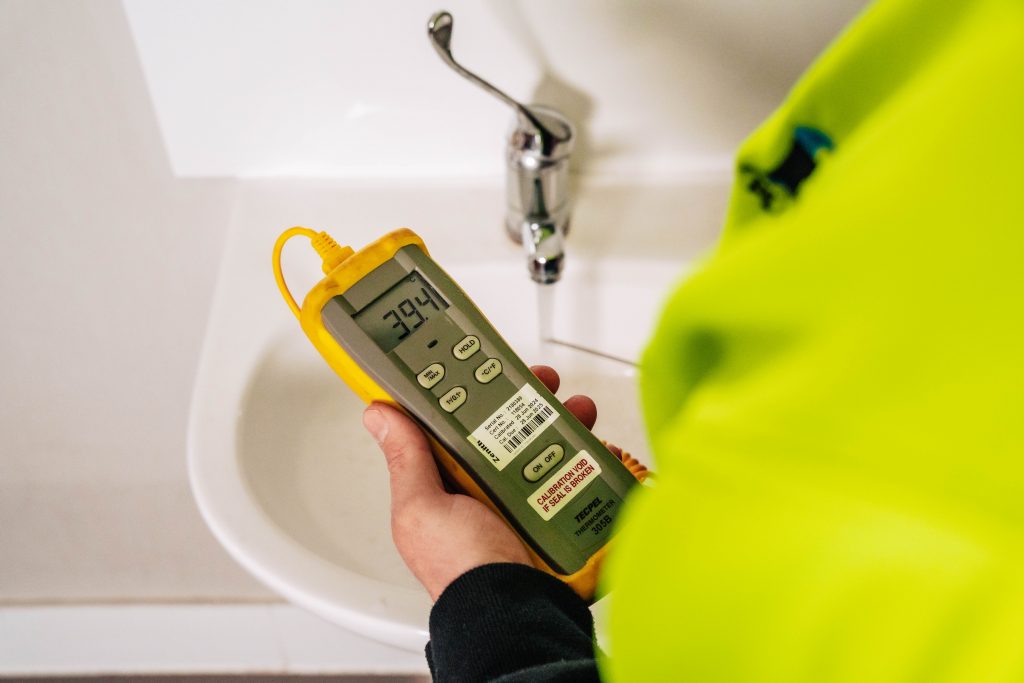
We always recommend safe, non-invasive checks first—things that won’t void warranties or create hazards.
Check 1: Does it happen in every shower or just one?
- One shower only: likely shower mixer/cartridge, showerhead blockage, or local pipe issue.
- All showers: likely hot water system, tempering valve, whole-house pressure issue, or demand problem.
Check 2: Does it happen after a certain number of minutes?
- If it consistently goes cold after a set time, think tank capacity or recovery.
Check 3: Does it happen when someone uses another fixture?
- If yes, pressure balancing is likely involved.
Check 4: Any visible leaks, drips, or puddles around the unit?
- Even a small leak can impact performance and lead to bigger failures.
Check 5: Any unusual noises?
- Popping or rumbling often points to sediment build-up in a tank.
Important: Don’t attempt DIY on gas components, tempering valves, or electrical internals. In Australia, these require licensed work for safety and compliance.
When warm-then-cold becomes an emergency
Not every hot-cold shower is an emergency—but some warning signs should be treated seriously.
Call for 24/7 emergency plumbing if you notice:
- Gas smell (possible leak)
- Water leaking around the hot water unit
- No hot water at all (especially in cold weather)
- Electrical burning smell or repeated circuit trips
- Sudden extreme temperature spikes (scalding risk)
We provide fast response support for urgent hot water failures, major leaks, and gas-related safety concerns.
How a professional plumber diagnoses the issue (what we actually test)
When we’re called out for warm-then-cold shower issues, we follow a structured process to avoid guesswork.
Here’s what we typically check:
1) Temperature testing at different fixtures
We compare:
- Bathroom outlets (tempered)
- Kitchen outlets (often untempered)
This quickly tells us whether the problem is the tempering valve or the heater.
2) Flow rate and pressure testing
We test whether your shower is delivering consistent flow. Continuous flow systems are especially sensitive here.
3) Visual inspection of the unit and valves
We look for:
- Leaks and corrosion
- Condition of valves and connections
- Obvious signs of sediment issues
4) System-specific diagnostics
- For gas: burner, ignition, gas pressure stability, gas leak detection
- For electric: thermostat/element behaviour and heating consistency
- For solar/heat pump: booster performance and control settings
5) Recommendation based on cost vs lifespan
We’ll be honest about whether:
- a repair is worthwhile,
- a service will stabilise performance,
- or replacement is the smarter investment.
Related services we provide during diagnosis:
- Inspections and testing
- Leak detection (water, shower, pool, gas)
- Hot water repairs and upgrades
- General plumbing repairs that improve pressure and flow
Preventing hot/cold shower problems in the future
Once the issue is fixed, prevention is usually simple—and it saves money long-term.
Book routine servicing (especially for gas and continuous flow)
Servicing helps:
- keep burners and heat exchangers clean,
- prevent sensors from misreading conditions,
- reduce breakdowns during peak demand.
Keep your bathroom fixtures in good condition
Replacing a worn shower cartridge early is cheaper than waiting until it fails completely.
Consider water filtration solutions
If sediment is contributing to recurring issues, filtration can:
- protect your hot water system,
- extend valve life,
- reduce blockages and maintenance frequency.
Fix pressure and plumbing issues early
Pressure instability affects:
- showers,
- hot water performance,
- and even appliances.
We can recommend practical upgrades that suit your property, not generic “one size fits all” fixes.
FAQs: Hot water runs warm then cold in the shower
Why does my shower go cold after 10 minutes?
This often points to a storage tank running out of hot water or a recovery problem. It can also happen if sediment has reduced usable tank volume.
Why does my instant hot water go hot then cold then hot again?
Usually a flow-rate or pressure issue causing the unit to cut out and re-ignite. Servicing and filter cleaning often solve it.
Can a tempering valve cause cold showers?
Yes—if it fails or clogs, it can over-mix cold water and cause instability at bathroom taps and showers.
Why is the kitchen hot water fine but the shower isn’t?
Bathrooms are often tempered for safety, while kitchen hot water may be delivered hotter. If the tempering valve is failing, showers are usually affected first.
Do I need to replace my hot water system?
Not always. Many warm-then-cold issues are repairable. Replacement is usually recommended when the unit is old, inefficient, leaking, or repeatedly failing.
Call Local Quaker Hills Plumber for reliable hot water repairs in Penrith
If your shower starts warm then turns cold, you don’t have to guess what’s causing it—and you definitely don’t have to keep living with it. Whether it’s a failing tempering valve, an instant system cutting out, sediment build-up, or a hot water unit that’s simply too small for your household, we’ll find the real cause and fix it properly.
Local Quaker Hills Plumber specialises in residential plumbing in Penrith, and we also support commercial and industrial clients needing fast, compliant repairs.
Our related services (built around solving this exact issue)
- 24/7 emergency plumbing (no hot water, leaks, urgent failures)
- Hot water system supply, installation, servicing, and repairs
(gas, electric, instant/continuous flow, heat pumps, solar, and commercial hot water) - General plumbing repairs and installations
(taps, toilets, showers, inspections and testing) - Blocked drain clearing and repairs
(water jetting, sewer/drain cleaning, camera inspections, tree root removal) - Gas fitting and gas plumbing
(appliance installs, repairs, gas leak detection) - Leak detection
(water leaks, shower leaks, pool leaks, and gas leaks) - Water filtration solutions
(protect your hot water system and improve water quality)
📞 Call Local Quaker Hills Plumber today on 291583597 to book an inspection. We’ll diagnose the cause, explain your options clearly, and get your shower back to steady, comfortable hot water—without the nasty cold surprises.