Hot Water Repairs in Quakers Hill: What’s Wrong and How It’s Fixed
Hot water repairs Quakers Hill are usually needed when your system stops heating properly, leaks, makes strange noises, runs out too quickly, or delivers water that changes from hot to cold without warning. The right fix depends on the type of hot water system, the part that has failed, and whether the problem is with the thermostat, heating element, gas supply, valve, pipework, tank, or water pressure. A licensed plumber can inspect the unit, find the cause, and repair or replace the faulty part safely.
For homes and businesses in Quakers Hill, hot water problems can quickly disrupt showers, cleaning, laundry, kitchens, staff amenities, and daily routines. Some faults are simple, such as a worn valve or faulty thermostat. Others are more serious, such as a leaking tank, unsafe gas issue, or electrical fault.
What Are the Most Common Reasons Hot Water Systems Fail?
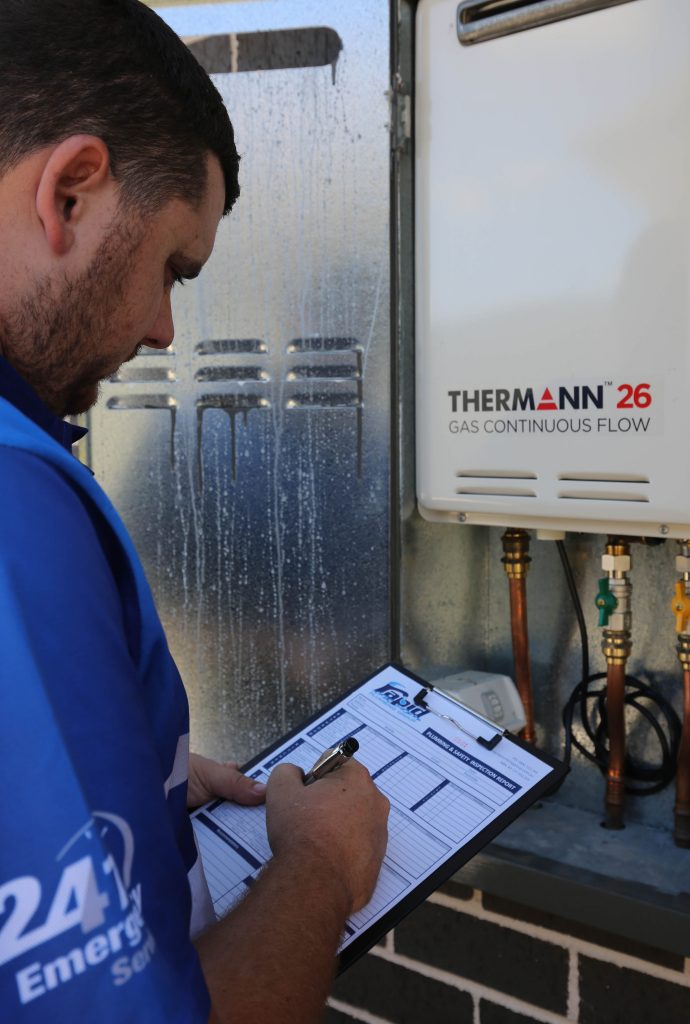
Hot water systems usually fail because one part has worn out, the system has not been serviced, or the unit is no longer suited to the property’s water usage. In many Quakers Hill homes, the problem seems sudden, but the warning signs may have been there for some time.
A common cause is a faulty thermostat. The thermostat controls the water temperature inside the system. When it stops working properly, the water may become too cold, too hot, or inconsistent from one use to the next.
Another common issue is a failed heating element in an electric hot water system. The heating element warms the water inside the storage tank. If it burns out, the system may still fill with water, but it will not heat the water properly.
Gas hot water systems can fail for different reasons. These may include a pilot light fault, ignition issue, gas supply problem, burner fault, or ventilation concern. These problems should always be checked by a licensed gas plumber because gas work can be dangerous when handled incorrectly.
Sediment build-up is another common cause of poor performance. Sediment is made up of minerals and particles that settle at the bottom of a storage tank. Over time, this build-up can make the system noisy, slow to heat, or less efficient.
Other possible causes include:
- A leaking storage tank
- A faulty pressure relief valve
- Damaged tempering valve
- Worn seals or loose fittings
- Rust around pipe connections
- Poor water pressure
- Age-related wear
- Incorrect system size
- Blocked filters on instant systems
Sometimes the issue is not only inside the hot water unit. The connected pipework, water pressure, electrical supply, or gas fitting may also need checking. That is why proper diagnosis matters before any repair is done.
Local Quaker Hills Plumber can inspect gas, electric, instant, heat pump, solar, and commercial hot water systems across Quakers Hill. The goal is to find the real fault, not just guess based on symptoms.
Hot Water Repairs Quakers Hill: What Signs Should You Watch For?
Hot water repairs Quakers Hill should be booked when you notice changes in water temperature, water colour, pressure, noise, or visible leaks around the system. These warning signs often mean a part is failing or the unit is under strain.
Some signs are easy to notice. Others start small and become worse over time. A shower that turns lukewarm may seem minor, but it can point to a thermostat, element, burner, valve, or pressure issue.
Signs your hot water system needs repair
Watch for these common warning signs:
- Water turns cold faster than usual
- Hot water takes longer to reach taps
- Water is only lukewarm
- Shower temperature keeps changing
- Water looks rusty, brown, or cloudy
- Hot water pressure has dropped
- The system makes popping, rumbling, or hissing noises
- Water is leaking from the tank or fittings
- There is a wet patch near the unit
- The pilot light keeps going out
- The system trips the power
- The unit runs but does not heat water
- Your hot water smells unusual
- Your system needs resetting often
A leak should always be taken seriously. Even a slow drip can lead to water damage, mould, corrosion, or a larger system failure. If water is pooling near the unit, turn off the water supply to the hot water system if it is safe to do so, then call a plumber.
Strange noises can also mean the system needs attention. Rumbling or popping sounds often suggest sediment build-up inside a storage tank. Hissing may point to pressure, valve, or leak problems.
Gas hot water systems need extra care. If you smell gas near the unit, leave the area, avoid using electrical switches, and contact a licensed gas plumber or emergency service. Gas faults are safety issues, not simple household repairs.
For businesses in Quakers Hill, warning signs should not be ignored. A faulty hot water system can affect kitchens, bathrooms, cleaning areas, staff facilities, and customer service areas. Quick repairs can help prevent downtime.
Why Is My Hot Water Not Getting Hot Enough?
Hot water may not get hot enough because the thermostat is faulty, the heating element has failed, the burner is not working correctly, or the tempering valve is not mixing water properly. It can also happen when the system is too small for the number of people using it.
If the water is warm but never properly hot, the first step is to check how the system is heating. For electric hot water systems, a plumber may test the thermostat and heating element. For gas systems, the plumber may check the pilot light, ignition, burner, gas supply, and flue.
A tempering valve can also cause cooler-than-expected water. This valve mixes hot water with cold water before it reaches taps and showers. It helps control safe delivery temperatures, but if it fails, sticks, or becomes blocked, your water may feel lukewarm even when the tank is heating.
Hot water demand is another common reason. If several people shower one after another, or if laundry and dishwashing are running at the same time, the system may not keep up. This is more likely when the unit is too small for the home.
For example, a small storage tank may work well for one or two people but struggle in a larger household. A growing family, extra tenants, or changed routines can make an old system feel unreliable.
Commercial properties can face the same problem on a larger scale. A café, salon, office, workshop, medical room, or industrial site may need hot water throughout the day. If the system is undersized or worn, it may not meet regular demand.
A plumber will usually check:
- Whether all taps are affected
- Whether the system is heating at all
- Whether the thermostat is working
- Whether the element or burner is functioning
- Whether the tempering valve is faulty
- Whether water pressure is affecting flow
- Whether the system is large enough for the property
The best fix depends on the cause. A part replacement may solve the issue. In other cases, the system may need servicing, adjustment, or full replacement.
Why Is My Hot Water Running Out So Quickly?
Hot water often runs out quickly because the system cannot keep up with demand, the tank is not heating fully, or one heating component has failed. It can also happen when sediment build-up reduces the system’s performance.
For storage hot water systems, the tank holds a set amount of heated water. Once that stored hot water is used, the unit needs time to heat more. If the tank is too small for your household, you may run out of hot water during peak times.
This is common in the morning when several people shower one after another. It can also happen at night when showers, dishwashing, and laundry all happen close together.
However, capacity is not always the problem. A faulty heating element can reduce the amount of usable hot water. In some electric systems, there may be more than one element. If one fails, the system may still produce some hot water, but not enough for normal use.
A thermostat fault can cause a similar issue. If the thermostat stops heating water to the correct temperature, the tank may feel like it runs out faster because the water was never hot enough to begin with.
Sediment build-up can also make the tank less effective. The sediment takes up space and makes it harder for the system to heat water evenly. This can lead to longer heating times and weaker hot water supply.
Common reasons hot water runs out fast
- The tank is too small for the property
- The heating element is faulty
- The thermostat is not reading properly
- Sediment has built up inside the tank
- The system is old or worn
- The household is using hot water at the same time
- The tempering valve is not working correctly
- There is a hidden leak in the hot water line
Instant hot water systems work differently. They heat water as it flows through the unit. If an instant system is not keeping up, the issue may involve water flow, gas supply, ignition, blocked filters, or internal parts.
For Quakers Hill homes and businesses, a plumber can compare your system size with your actual use. Sometimes repair is enough. Other times, upgrading to a more suitable system gives better long-term results.
Is a Leaking Hot Water System an Emergency?
A leaking hot water system can be an emergency if water is pooling, spreading, near electricity, or coming from the storage tank itself. Even a small leak should be checked because pressure, heat, and corrosion can make the problem worse.
Not all leaks are the same. Some leaks come from valves, fittings, pipe joints, or seals. These may be repairable if the tank is still in good condition.
A leak from the tank body is more serious. Storage tanks can rust from the inside over time. Once the tank itself starts leaking, repair is often not practical because the metal has weakened.
A leak can also damage nearby walls, flooring, cupboards, or outdoor surfaces. If the unit is installed indoors, in a garage, or near storage areas, water can spread quickly. For commercial sites, a leak can create a slip hazard or interrupt daily operations.
What to do before the plumber arrives
If it is safe, you can take these steps:
- Turn off the water supply to the hot water unit
- Turn off the power to an electric system
- Turn off the gas supply to a gas system
- Keep children and pets away from the area
- Move stored items away from the leak
- Do not touch wet electrical fittings
- Place a towel or bucket only if it is safe
- Call a plumber for urgent help
Do not open panels, remove parts, or try to seal the tank yourself. Temporary DIY fixes can hide the real fault and may make the situation unsafe.
Leak source comparison
| Leak location | What it may mean | Likely next step |
| Valve or fitting | Worn valve, seal, or connection | Repair may be possible |
| Pipe connection | Loose or damaged pipework | Plumbing repair needed |
| Tank body | Internal rust or tank failure | Replacement often needed |
| Base of unit | Tank leak or internal issue | Urgent inspection needed |
| Overflow pipe | Pressure or valve problem | Valve and pressure check needed |
Local Quaker Hills Plumber offers 24/7 emergency plumbing for urgent hot water leaks, burst pipes, and related plumbing problems in Quakers Hill. Fast action can help reduce water damage and prevent a minor leak from becoming a larger repair.
How Do Plumbers Diagnose Hot Water Problems?

Plumbers diagnose hot water problems by checking the symptoms, inspecting the unit, testing key parts, and confirming whether the issue is with heating, pressure, valves, supply, or the tank. A proper diagnosis helps avoid replacing parts that are not actually faulty.
The plumber will usually start by asking what you have noticed. They may ask whether the water is cold, lukewarm, too hot, noisy, discoloured, leaking, or slow to arrive at the tap.
They may also ask when the problem started. A sudden failure can point to a part breakdown. A slow decline can suggest age, sediment build-up, valve wear, or a system that is no longer keeping up with demand.
The next step is a visual inspection. The plumber checks the tank, pipework, valves, fittings, and surrounding area. They look for leaks, rust, corrosion, water stains, poor installation, and signs of pressure problems.
For electric hot water systems, testing may include the thermostat, element, power supply, and safety controls. For gas systems, the plumber may check the pilot, burner, gas supply, ignition system, flue, and ventilation.
For instant systems, the plumber may check flow rate, filters, burners, sensors, ignition, gas pressure, and error codes if the model displays them. For solar or heat pump systems, the inspection may include boosters, valves, controllers, and system settings.
What a plumber may check
- The type and age of the hot water system
- Whether the issue affects one tap or the whole property
- Water temperature at different outlets
- Visible leaks or corrosion
- Pressure relief valve operation
- Tempering valve condition
- Thermostat and heating element condition
- Gas supply and burner operation
- Pipework and water pressure
- Signs of sediment or tank wear
If the issue only affects one shower or tap, the fault may not be the hot water system. It may be a mixer, tapware issue, blocked outlet, or local pipework fault.
This is why diagnosis matters. A good plumber looks at the whole hot water set-up, not just the tank.
Hot Water Repairs Quakers Hill: Repair or Replace the System?
Hot water repairs Quakers Hill are usually worthwhile when the system is not too old, the tank is sound, and the faulty part can be replaced safely. Replacement may be better when the tank is leaking, faults keep returning, or the unit no longer suits the property.
Repair is often suitable when one part has failed. A faulty valve, thermostat, element, fitting, or connection can often be repaired or replaced. If the system has been reliable and is still in fair condition, repair may restore normal hot water.
Replacement becomes more likely when the tank is rusted, leaking, badly corroded, or near the end of its service life. Repeated repairs can also be a sign that the system is becoming unreliable.
Repair may be suitable when:
- The fault is limited to one part
- The tank is not leaking
- The system is still heating
- The unit suits your household size
- Parts are available
- The system has not had repeated failures
- The repair can be completed safely
Replacement may be better when:
- The tank itself is leaking
- Rust or corrosion is visible
- Hot water problems keep coming back
- The system is too small for the property
- Parts are hard to source
- The unit is inefficient
- The system no longer matches your needs
- A major repair would only be a short-term fix
It can help to compare the likely outcome. If a repair gives the system reliable use again, it may be the sensible option. If the unit is old, leaking, and failing often, replacement may save stress over time.
Common system options
If replacement is needed, the plumber may discuss several system types.
Electric storage systems are common and simple to use. Gas hot water systems can heat quickly and are common where gas supply is available. Instant hot water systems heat water as needed and do not store a full tank. Heat pump systems use surrounding air to help heat water. Solar hot water systems use roof collectors and usually have a booster for cloudy days or high-demand times.
Commercial hot water systems are designed for higher and more regular use. These may suit shops, offices, hospitality sites, industrial properties, and other businesses in Quakers Hill.
Local Quaker Hills Plumber can help with hot water supply, installation, servicing, repair, and replacement across gas, electric, instant, heat pump, solar, and commercial systems.
Can You Fix Hot Water Problems Yourself?
You can check simple things, but you should not carry out plumbing, electrical, or gas repairs yourself. Hot water systems involve heat, pressure, water, electricity, and sometimes gas, so unsafe repairs can cause injury, water damage, fire risk, or gas hazards.
There are a few safe checks you can do before calling a plumber. You can check whether the problem affects every tap or only one outlet. You can look for visible leaks around the unit. You can check whether other appliances still have power. You can also check whether your gas supply is working for other gas appliances.
These checks can help you explain the problem clearly when you call. They should not replace a proper inspection.
Safe checks you can do
- Check if all taps have the same problem
- Check if the unit is leaking
- Look for rust or water stains
- Listen for unusual noises
- Check if the system has power
- Check if other gas appliances are working
- See whether the issue happens at certain times only
- Note whether hot water runs out faster than before
What you should not do
- Do not remove electrical covers
- Do not touch internal wiring
- Do not adjust gas valves
- Do not open the burner area
- Do not block or cap leaking valves
- Do not ignore gas smells
- Do not keep resetting a system that keeps tripping
- Do not try to patch a leaking tank
For electric systems, do not remove panels or touch wiring. If the unit keeps tripping the power, there may be an electrical fault that needs proper testing.
For gas systems, do not repeatedly relight the pilot if it keeps going out. Do not adjust gas parts, burners, valves, or connections. If you smell gas, treat it as urgent.
For water leaks, you may be able to turn off the isolation valve to stop more water entering the unit. If you are unsure which valve to use, call a plumber and ask for guidance.
A licensed plumber can repair the hot water fault and check related plumbing at the same time. This matters because hot water issues can sometimes connect to pressure faults, leaking pipes, blocked filters, or poor installation.
How Can Quakers Hill Homes and Businesses Prevent Hot Water Breakdowns?
You can reduce the risk of hot water breakdowns by booking regular servicing, acting on small warning signs early, and using a system that suits your property’s demand. Preventive care is usually easier than dealing with a full breakdown.
Many people only think about their hot water system when it fails. However, a quick inspection can often find worn valves, leaks, rust, pressure issues, or performance problems before the system stops working.
For storage tanks, the pressure relief valve should be checked as part of proper maintenance. This valve helps release excess pressure from the system. If it fails, the system can become unsafe or start leaking.
For gas systems, servicing can include checking safe operation, burner performance, ignition, ventilation, and gas connections. Gas hot water systems should always be handled by someone qualified to do gas work.
For instant systems, filters, flow, burners, and sensors may need checking. If the unit has error codes, the plumber can use them as part of the diagnosis.
Commercial and industrial properties should be even more careful. Hot water may be needed for cleaning, hygiene, food preparation, staff use, or daily operations. A planned service can help reduce unexpected downtime.
Maintenance habits that help
- Book servicing when the system shows early signs of trouble
- Do not ignore small leaks
- Keep the area around the unit clear
- Watch for rust, noise, and temperature changes
- Report pressure changes early
- Make sure the system size suits your usage
- Ask a plumber to check valves and fittings
- Replace ageing systems before they fail completely
Water filtration may also help in some properties, depending on water quality concerns and system needs. If sediment, taste, or water quality issues are affecting your household, Local Quaker Hills Plumber can discuss suitable water filtration options.
Prevention does not mean your system will never fail. It simply lowers the risk and gives you more time to plan repairs or replacement before you lose hot water completely.
FAQs About Hot Water Repairs in Quakers Hill
Why is my hot water system making a rumbling noise?
A rumbling noise often means sediment has built up inside the storage tank. When water heats, trapped sediment can move and make popping or rumbling sounds. A plumber can inspect the unit, check its age and condition, and advise whether servicing, repair, or replacement is the better option.
Why does my shower go hot and cold?
A shower that changes temperature may have a problem with the hot water unit, tempering valve, water pressure, or shower mixer. If it happens at every tap, the system may be the issue. If it only happens in one shower, the problem may be local to that fixture.
Can a leaking hot water system be repaired?
Some leaks can be repaired, especially if they come from a valve, fitting, or pipe connection. A leak from the tank itself is more serious and often means the unit needs replacement. A plumber needs to inspect the leak point before giving the right advice.
How long does a hot water repair usually take?
Simple faults may be repaired during the same visit if the right parts are available. More complex issues, gas faults, electrical faults, or major leaks may take longer. The timeframe depends on the system type, the fault, part availability, and whether replacement is needed.
Should I turn off my hot water system if it is leaking?
Yes, if it is safe to do so. Turn off the water supply to the unit and switch off the power or gas supply. Do not touch wet electrical parts or open the unit. If water is spreading or near electricity, call an emergency plumber straight away.
Do plumbers repair commercial hot water systems?
Yes, plumbers can repair commercial hot water systems if they are qualified for the work required. Commercial systems may have higher demand, larger storage, or more complex pipework. Local Quaker Hills Plumber services residential, commercial, and industrial hot water systems in Quakers Hill.
Call Local Quaker Hills Plumber for Hot Water Repairs in Quakers Hill
If your hot water is cold, leaking, noisy, unreliable, or running out too quickly, do not wait for the problem to get worse. Hot water repairs Quakers Hill should be handled by a licensed plumber who can inspect the system, explain the fault clearly, and repair or replace the right part safely.
Call Local Quaker Hills Plumber on 291583597 for hot water repairs, hot water servicing, leak detection, gas fitting, emergency plumbing, and general plumbing help in Quaker Hills and Quakers Hill. Whether you have a gas, electric, instant, heat pump, solar, or commercial hot water system, the team can help you get reliable hot water back as soon as possible.