Dishwasher Leaves Water in the Bottom: Drainage vs Plumbing Causes
If your dishwasher finishes its cycle but you open the door and find water sitting in the bottom, it can feel confusing. You might think, “Is my dishwasher broken?” But here’s the truth: this problem can come from two main places:
- Dishwasher drainage issues (parts inside the dishwasher or the drain hose setup)
- House plumbing issues (blocked drains, backflow, or bigger sewer problems)
And in many Penrith homes, what starts as “just a bit of water” can turn into a smelly dishwasher, dirty dishes, and even cabinet damage if the water leaks into the floor or under the kitchen sink.
This expanded guide explains what’s happening in simple, step-by-step language. We’ll also show exactly how Local Quaker Hills Plumber can help with the real plumbing services that fix the root cause—like blocked drain clearing, water jetting, drain camera inspections, leak detection, and emergency plumbing.
Quick Answer: Why Is There Water in the Bottom of My Dishwasher?
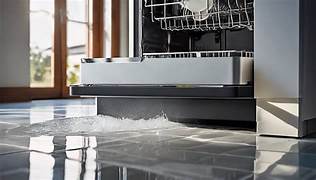
A tiny amount of clean water under the filter area can be normal. But standing water that looks dirty, smells bad, or keeps returning is usually caused by a blockage or a plumbing setup problem.
Common Dishwasher Drainage Causes (Inside the Appliance)
These stop the dishwasher from pushing water out properly:
- Clogged filter (food scraps, grease, labels, rice grains)
- Blocked drain basket/sump area
- Kinked or clogged drain hose
- Jammed or failing drain pump
- Air gap blockage (if your kitchen has one)
- Too many suds from wrong detergent or too much soap
How we help: If the issue involves the drain line connection, hose routing, or a blockage near the sink trap, Local Quaker Hills Plumber can inspect the under-sink plumbing, test drainage flow, and repair/replace faulty connections as part of our general plumbing repairs and installations.
Common Plumbing Causes (In Your Home’s Drain System)
These can cause slow draining or backflow into the dishwasher:
- Blocked kitchen sink drain (grease and food buildup)
- Partially blocked drain line further down the pipe
- Backflow from the sink because of incorrect hose setup
- Drain or sewer blockage affecting multiple fixtures
- Venting issues that slow drainage and create gurgling
How we help: This is where a plumber makes the biggest difference. We handle:
- Blocked drain clearing
- High-pressure water jetting
- Drain/sewer cleaning
- CCTV camera inspections
- Tree root removal (for sewer lines)
- Leak detection (if water has escaped under cabinets)
What “Normal” Dishwasher Water Looks Like (And What’s Not Normal)
It helps to know what your dishwasher is supposed to look like at the end.
Normal: A Small Amount of Clean Water
Some dishwashers keep a small amount of water in the sump area to:
- keep seals moist
- prevent rubber parts from drying out
- reduce smells from dry seals cracking
Normal signs:
- Water is clear
- No bad smell
- Dishes are still clean
- No puddle spreading across the base
Not Normal: Standing, Dirty, or Returning Water
If the water level is clearly visible and doesn’t drain, that’s not normal.
Not normal signs:
- Water is brown, greasy, or has food pieces
- You smell a sour or rotten odour
- Dishes come out with grit, slime, or cloudy residue
- Water drains, then comes back later
- The sink gurgles or rises when the dishwasher runs
How we help: If you’re seeing these signs in Penrith, we can do a drain inspection and testing (part of our general plumbing services), then clear the blockage using safe and effective methods like water jetting instead of harsh chemicals that can damage pipes.
Drainage vs Plumbing: The Simple Difference
Here’s the easiest way to understand it:
- Drainage issue: The dishwasher is trying to push water out, but something inside the dishwasher or its hose is stopping it.
- Plumbing issue: The dishwasher pushes water out, but your home drain system is slow or blocked, so water can’t move away—or it flows back in.
A Simple Kitchen Example
Imagine you pour water into a sink:
- If the sink plug is stuck = drainage issue (inside)
- If the sink pipe is blocked = plumbing issue (in the house pipes)
Dishwashers connect into your kitchen drain system, so the dishwasher can be fine while your drain line is the real problem.
How we help: Local Quaker Hills Plumber can check both sides:
- The dishwasher-to-sink connection
- The sink trap and drain line
- The main drain line if needed, using CCTV camera inspections
Step-by-Step Checks You Can Do Safely (No Special Tools)
Before you call anyone, here are safe checks that can help you understand the cause. Don’t worry—these don’t require plumbing experience.
Step 1: Look Closely at the Water
Ask:
- Is it clear or dirty?
- Does it smell like old food?
- Are there bits of rice, labels, or gunk?
What it means:
- Dirty water + food often points to a filter or drain basket blockage
- Greasy water can point to a kitchen drain line grease blockage
- Water that comes back can point to backflow from plumbing
Step 2: Check Your Sink Drain Speed
Run the kitchen tap for 10–15 seconds and let it drain.
- If it drains slowly, your drain line is likely restricted.
- If you hear gurgling, air may be trapped due to a blockage.
What it means:
- Slow sink + dishwasher water = often plumbing drain issue
- Normal sink drain = could still be dishwasher drainage, but plumbing is less likely
How we help: We clear kitchen drain blockages with water jetting and drain/sewer cleaning—and we can confirm the exact location with a camera inspection.
Step 3: Run a Cancel/Drain Cycle
Most dishwashers can force a drain cycle.
- Listen for the pump.
- Watch the sink pipe connection area (under the sink) for leaks.
What it means:
- Pump sound but no drainage = blockage/pump issue
- Drains fine but returns later = backflow or drain line problem
How we help: We can test the drain line properly, check valves, and confirm whether the dishwasher is draining into a blocked line.
Step 4: Clean the Filter (The #1 DIY Fix)
A dirty filter is the most common reason dishwashers keep water.
What to do:
- Pull out the bottom rack
- Remove the filter (twist/lift depending on model)
- Rinse under warm water
- Use a soft brush to remove grease and trapped food
Extra tip: If you see slime or thick grease, it can also mean your kitchen drain has grease buildup. That’s when plumbing services help, not just cleaning the dishwasher.
Step 5: Check for Obvious Hose Problems Under the Sink
Look under your sink:
- Is the drain hose kinked?
- Is it sagging low (no “high loop”)?
- Does it connect properly to the drain spigot?
If you’re unsure, don’t force anything.
How we help: Our plumbers can re-route the hose correctly, install the proper high loop, check the connection, and prevent dirty backflow into your dishwasher.
Drainage Causes Inside the Dishwasher (Expanded and Explained)
1) Clogged Filter or Drain Basket (Most Common)
Dishwashers don’t “eat” food. They wash it off plates—but if there’s too much food:
- it collects in the filter
- it blocks the drain area
- it makes water sit in the bottom
Common culprits:
- rice and pasta (swells and blocks)
- labels from jars
- eggshell bits
- coffee grounds
- grease clumps
What you might notice:
- Water looks dirty after the cycle
- Dishes feel gritty
- Bad smell when you open the door
- Filter looks slimy
Plumber-related services that help:
If repeated clogs keep happening, it can be because the dishwasher drain line is feeding into a partially blocked sink drain. We can:
- do blocked drain clearing
- perform drain/sewer cleaning
- test flow and do inspections and testing on the drain system
2) Blocked or Kinked Drain Hose
A drain hose can clog slowly with grease and debris, especially if:
- the dishwasher is old
- the hose sags low
- food particles slip past the filter
- the hose got crushed when the dishwasher was pushed back
Signs:
- Water stays every time
- Drain cycle runs but water doesn’t leave
- Problem started after a kitchen renovation or dishwasher replacement
How we help:
Local Quaker Hills Plumber can safely:
- pull the dishwasher carefully
- inspect the hose
- replace cracked hoses
- secure proper routing and connections
- check for leaks (important because a hose leak can damage cabinets)
This falls under our general plumbing repairs and installations for kitchen connections.
3) Drain Pump Jam or Failure
The pump pushes water out. Small sharp objects can jam it:
- broken glass
- bones
- toothpicks
- fruit seeds
Signs:
- loud humming
- weak draining sound
- water remains after every cycle
How we help:
If it turns out to be plumbing-related (drain line blockage), we fix the drain. If it’s truly an appliance pump, you may need an appliance technician—but we can still:
- confirm the drain line is clear
- ensure your plumbing connection isn’t causing backflow
- prevent repeat problems by clearing the drain system properly
4) Air Gap Blockage (If Installed)
An air gap prevents dirty water from siphoning back. If blocked, it can stop draining.
Signs:
- water leaks near sink fitting
- weird draining issues even when filter is clean
How we help:
We can inspect the air gap/drain line setup and remove blockages in the connected plumbing.
5) Too Much Foam (Wrong Detergent)
Foam can slow drainage and confuse sensors.
Signs:
- bubble buildup
- cycle stops early
- water looks soapy rather than dirty
Fix:
- use dishwasher detergent only
- use the correct amount
Plumbing Causes Outside the Dishwasher (Expanded and Common in Homes)
1) Blocked Kitchen Sink Drain (Grease Buildup)
Kitchen drains are one of the most common places for slow clogs. Grease sticks to pipes, then food bits cling to the grease. Over time, the pipe narrows.
Signs:
- sink drains slow
- gurgling sounds
- dishwasher drains and the sink water rises
- dishwasher water looks greasy
How we fix it (real services):
- Blocked drain clearing (safe methods)
- High-pressure water jetting to break grease and sludge
- Drain/sewer cleaning to restore full flow
- Camera inspections to locate stubborn clogs
This is one of the biggest reasons people in Penrith think their dishwasher is broken when it’s actually the drain.
2) Backflow Into the Dishwasher (Water Comes Back Later)
Backflow happens when dirty sink water flows backwards into the dishwasher. Usually caused by:
- blocked drain line
- incorrect hose routing (missing high loop)
- poor connection or no check valve
Signs:
- dishwasher drains but water returns later
- water smells like sink drain
- problem worsens after using the sink
How we fix it (real services):
- re-route the dishwasher hose correctly (high loop)
- check and correct the drain connection
- clear drain restrictions with water jetting
- inspect the line with a camera if the blockage is deeper
3) Main Drain or Sewer Line Blockage
If the blockage is deeper than the kitchen branch line, you might notice issues around the home.
Signs:
- slow kitchen + laundry + bathroom drains
- gurgling across fixtures
- bad smells
- water pooling outside near a gully trap
How we fix it (real services):
- CCTV camera inspections to find the blockage
- Water jetting to clear sludge and build-up
- Tree root removal if roots are invading sewer pipes
- full drain/sewer cleaning to prevent repeat problems
4) Venting Issues (Airflow Problems)
Sometimes drains slow down because the system can’t pull air properly.
Signs:
- gurgling
- slow draining even after basic cleaning
- smells that don’t go away
How we fix it:
- inspect drainage and venting behaviour
- perform inspections and testing
- correct the plumbing setup where needed
What NOT to Do (Expanded Safety + Cost Tips)
Don’t Pour Harsh Drain Chemicals
These can:
- damage older pipework
- harm dishwasher seals
- create dangerous fumes
- make professional clearing harder
Don’t Keep Running the Dishwasher
Standing water can:
- create mould smells
- attract pests
- damage the dishwasher base
- leak into cabinets and floor
Don’t Ignore a Leak Under the Sink
A slow leak can silently destroy cabinetry. If you see dampness, we can do leak detection and fix the plumbing connection properly.
How a Licensed Plumber Diagnoses It (What We Do and Why It Works)
When you call Local Quaker Hills Plumber, we don’t guess. We diagnose the whole kitchen drainage system.
Our process often includes:
- Checking dishwasher drain hose setup (high loop + routing)
- Inspecting under-sink plumbing connections
- Testing drainage flow rate
- Checking for backflow signs
- Clearing blockages with the right method:
- Water jetting for grease/sludge
- Drain/sewer cleaning for buildup
- Using CCTV camera inspections for stubborn or recurring issues
- Checking for hidden leaks (cabinet base, pipes, fittings)
We can also help with related plumbing issues found during inspection, including:
- tap repairs and replacements
- sink and pipe repairs
- blocked drain prevention advice
- general plumbing repairs and installations
- 24/7 emergency plumbing if the issue becomes a flood risk
Preventing Water in the Bottom of Your Dishwasher (Expanded)
Here are easy habits that reduce clogs and backflow:
- Scrape food off plates (especially rice/pasta)
- Clean the filter every 2–4 weeks
- Run hot water in the sink before starting the dishwasher (helps dissolve grease)
- Avoid pouring oil or fat down the sink
- If the sink starts draining slower, book a drain clean early
- Consider a maintenance drain clean if your home is older or prone to grease buildup
If you’re frequently dealing with kitchen drain issues, ask us about drain cleaning and camera inspections—it can prevent bigger blockages later.
When to Call a Plumber in Penrith (Expanded Checklist)
Call a licensed plumber if:
- water stays after every cycle even after cleaning the filter
- water returns after it drains (backflow)
- sink drains slowly or gurgles
- you smell strong sewer odours
- you see wet patches under the sink or dishwasher
- multiple drains in your home are slow (possible main line issue)
These are the cases where professional tools like water jetting and CCTV inspection save you time and prevent costly damage.
Call Local Quaker Hills Plumber for Dishwasher Drain & Kitchen Plumbing Fixes
If your dishwasher is leaving water in the bottom, we’ll identify whether it’s a dishwasher drainage problem or a home plumbing blockage, then fix it properly—fast.
Local Quaker Hills Plumber can help with:
- 24/7 emergency plumbing
- General plumbing repairs and installations (kitchen plumbing, taps, pipework)
- Blocked drain clearing
- High-pressure water jetting
- Drain/sewer cleaning
- CCTV camera inspections
- Tree root removal
- Leak detection (water, shower, pool, and gas)
- Hot water system supply, installation, servicing & repairs
- Gas fitting, gas plumbing, and gas leak detection
- Water filtration solutions
For expert help with residential plumbing in Penrith, call:
📞 Local Quaker Hills Plumber: 291583597
We’ll get your dishwasher draining properly again—and make sure your kitchen plumbing is flowing the way it should.