Buying a Home in Penrith? How to Check for Leaking Taps Before You Sign
Buying a home is one of the most exciting milestones in life, but it’s also a time when small issues can turn into big problems if overlooked. Many homebuyers focus on things like location, number of bedrooms, or property size—but one of the most overlooked aspects is plumbing. A leaking tap, running toilet, or hidden pipe damage may seem minor, but it can cost thousands if ignored.
In this guide, we’ll explain why checking for leaking taps is essential, how leaks can lead to blocked drains, and the steps you can take to ensure your new home is safe and problem-free. We’ll also highlight how professional plumbers can help with inspections, repairs, and preventive maintenance, covering services such as general plumbing, blocked drain clearing, hot water system installation, gas fitting, and leak detection.
Why Leaking Taps Matter When Buying a Home
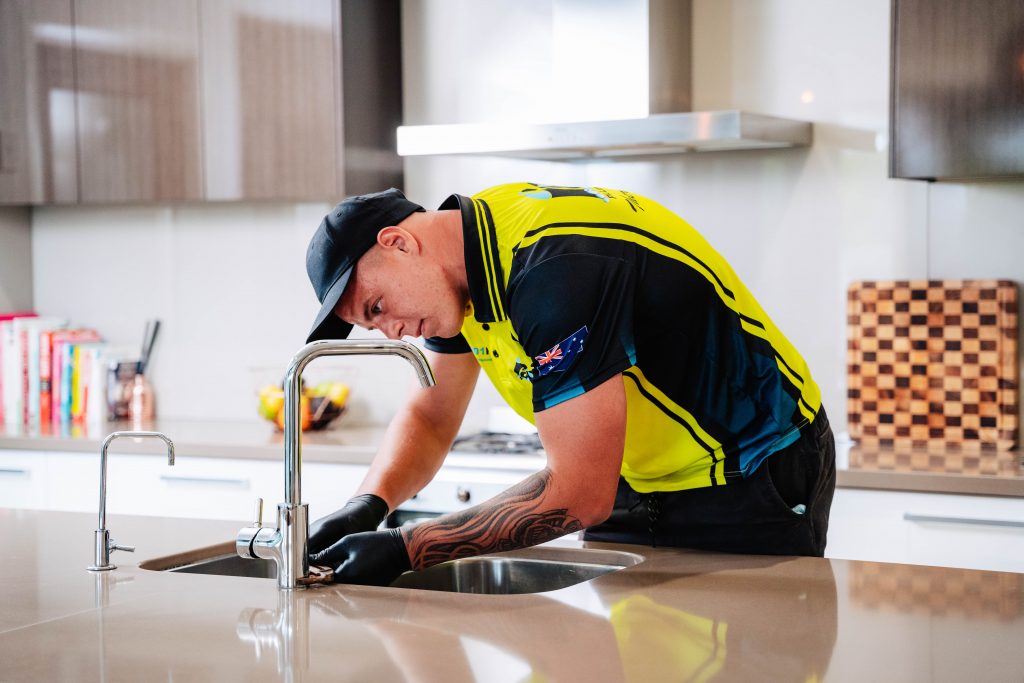
Leaking taps are more than just an annoyance—they’re a sign of underlying plumbing issues. Even a small drip may not seem significant, but over weeks or months, the water waste adds up. In Australia, water is precious, and a dripping tap can significantly increase your water bills.
Here’s why leaks are important:
- Higher Water Bills – A tap leaking once per second wastes over 30 litres of water per day. That’s roughly 900 litres a month, which can make your utility bills unexpectedly high.
- Damage to Fixtures and Surfaces – Continuous water dripping can cause rust, discoloration, or even rot in wooden cabinetry and benchtops. Leaks under sinks or near showers can slowly erode surfaces, sometimes requiring expensive repairs.
- Mold and Mildew Growth – Damp areas are perfect for mold, which can affect your health and even the value of your home. Hidden leaks behind walls or under floors are often the culprits.
- Impact on Drains – Water dripping consistently down drains can contribute to mineral buildup, debris accumulation, and eventually blocked drains in Penrith. Over time, small issues can escalate into major plumbing emergencies.
Many of these problems can be prevented by using services like leak detection, water filtration, and blocked drain clearing, ensuring your plumbing system is safe before you move in.
Common Places for Leaks in a Home
Leaks are rarely random—they usually occur in predictable areas. When inspecting a home, pay attention to the following:
- Kitchen Taps – Check under the sink for damp spots, water pooling, or signs of corrosion. Kitchen sinks often develop leaks due to worn washers or loose fittings.
- Bathroom Taps and Showers – Look for drips, water around the base of the tap, or slow-draining water, which may indicate a partially blocked drain.
- Toilets – A running toilet may not appear broken, but it wastes water continuously and can signal worn components inside the cistern.
- Hot Water Systems – Inspect both gas and electric hot water units for leaks at pipe connections or around the tank base. Issues here can cause significant water damage if not addressed.
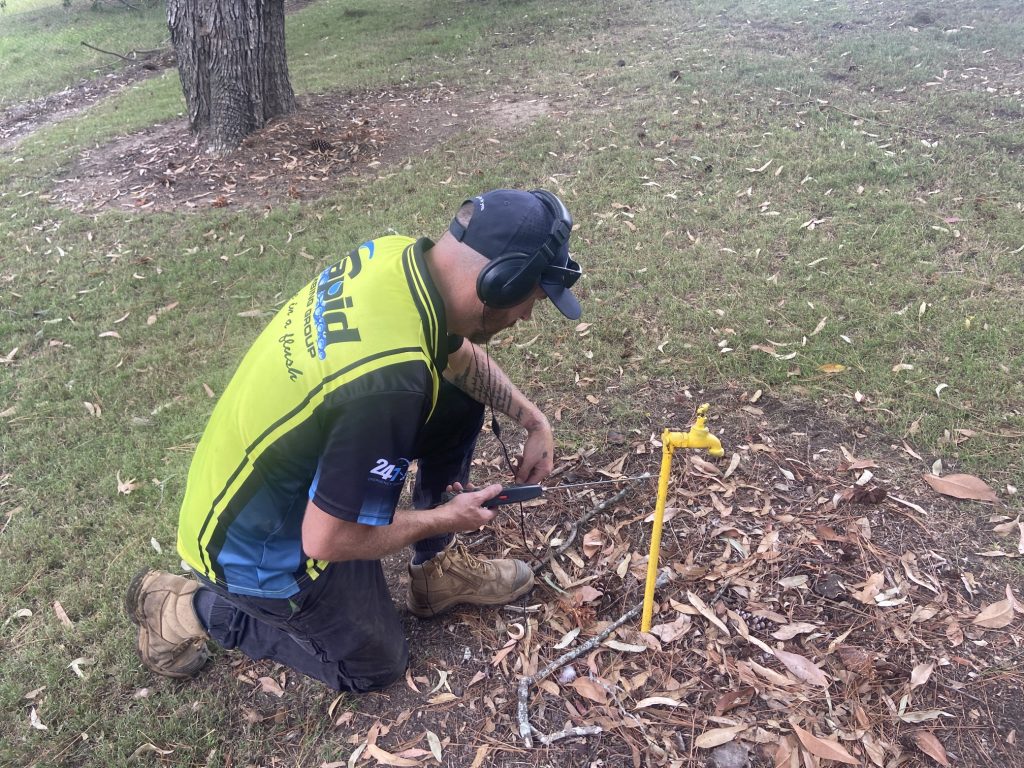
- Outdoor Taps and Irrigation Systems – Garden taps and outdoor plumbing are prone to leaks due to exposure to the elements, and can also lead to hidden pipe damage underground.
Professional plumbing services can inspect these areas comprehensively, using tools like camera inspections, water leak detection, and pressure testing to uncover hidden problems.
How to Spot a Leaking Tap
Detecting leaks isn’t always obvious. Some are slow and barely noticeable, but they can still lead to significant water loss or damage. Here’s how to identify them:
1. Visual Inspection
Look for:
- Puddles under sinks or around tap bases
- Rust, corrosion, or discoloration on fixtures
- Watermarks on benchtops, walls, or ceilings
2. Listening Carefully
- Turn off all water-using appliances and listen for dripping or hissing sounds.
- Pay attention to areas behind cabinets and under floors where water can pool silently.
3. Water Meter Test
- Record your water meter reading.
- Stop using water for 1–2 hours.
- Check the meter again—any movement indicates a hidden leak.
4. Inspect Under Sinks and Cabinets
- Look for damp patches, mold, or pooling water.
- Check the pipe joints for drips or loose fittings.
5. Test Water Pressure
- Run taps in different areas.
- Inconsistent pressure may indicate leaks, blockages, or pipe corrosion.
Professional plumbers use advanced tools like thermal imaging, ultrasonic leak detection, and video camera inspections to identify issues that can’t be seen with the naked eye. This is especially useful in older homes or properties with blocked drains in Penrith concerns.
What Causes Taps to Leak?
Understanding the cause of a leaking tap can help you address the problem efficiently. Common causes include:
- Worn Washers – Rubber washers inside taps can dry out, crack, or shrink over time.
- Corroded Valve Seats – Mineral deposits from hard water can erode the valve seat, causing drips.
- Damaged O-Rings – These small rubber rings seal parts of the tap and can fail due to age or wear.
- High Water Pressure – Excessive pressure can stress tap fittings, leading to leaks elsewhere.
- Aging Plumbing – Older homes often have outdated pipes or fittings prone to leaks and corrosion.
Fixing these issues may require tap repairs, pipe replacements, or hot water system servicing, all services offered by professional plumbers. Ignoring minor leaks can also worsen blocked drains in Penrith, requiring advanced solutions like water jetting or drain cleaning.
Why You Should Hire a Professional Plumber
DIY repairs can sometimes solve small problems, but professional plumbing services offer:
- Accurate Diagnosis – Professionals can detect hidden leaks or damage that might be missed during a home inspection.
- Proper Repairs – Using licensed plumbing techniques ensures the problem won’t recur.
- Blocked Drain Prevention – A plumber can assess drains and pipes, reducing the risk of blockages caused by leaks or debris.
- Safety – Licensed plumbers handle gas lines, hot water systems, and pressurized plumbing safely.
Services like general plumbing, blocked drain clearing, hot water system installation, and gas plumbing ensure that every plumbing issue—from minor drips to major leaks—is handled efficiently.
How Leaking Taps Relate to Blocked Drains in Penrith
Leaking taps and blocked drains often go hand-in-hand. Here’s how leaks can lead to drainage problems:
- Constant dripping can carry mineral deposits or soap residue into the drains.
- Leaks under sinks or near garden taps can erode pipes or allow debris to accumulate.
- Tree roots in older Penrith properties may infiltrate the soil and join with pipe corrosion, causing clogs.
Addressing leaks early prevents blocked drains in Penrith and ensures your home’s plumbing system stays healthy. Professionals can use drain cameras, water jetting, and tree root removal to restore flow and prevent future problems.
Tips for Checking Plumbing in a Penrith Home
When inspecting a property, it’s important to take a thorough approach:
- Check the Age of Plumbing – Older homes may have galvanized steel or polybutylene pipes prone to leaks and corrosion.
- Inspect Hot Water Systems – Ensure both the tank and pipes are leak-free, whether it’s gas, electric, instant, solar, or heat pump systems.
- Test All Taps and Showers – Run both hot and cold water to check for leaks and consistent pressure.
- Look for Water Damage – Check ceilings, walls, and floors for stains or soft spots.
- Request Plumbing Records – Ask the seller for previous maintenance, repairs, or upgrades.
A licensed plumber can also perform a full inspection, testing pipes, drains, and hot water systems to provide a clear report before you commit to the purchase.
Tools You Can Use for DIY Inspection
While professional inspections are best, a few tools can help:
- Water Meter – Detect hidden leaks over a short period.
- Flashlight – Inspect dark areas like under sinks and behind appliances.
- Mirror – Check pipes in hard-to-see places.
- Towels or Tissue Paper – Wrap around joints to detect slow drips.
- Pressure Gauge – Measure water pressure to identify potential pipe stress.
DIY checks are useful, but a professional plumber is essential for complex systems, including blocked drains in Penrith, hot water systems, and gas fittings.
What to Do if You Find a Leak
If you detect a leak during inspection:
- Document the Issue – Take photos and note the location and severity.
- Get a Professional Assessment – Licensed plumbers can recommend repair options.
- Negotiate with the Seller – Ask for repairs before settlement or adjust the sale price.
- Plan Preventive Maintenance – Even small leaks should be repaired promptly to prevent escalation.
Professional services like tap repair, leak detection, hot water system servicing, and blocked drain clearing ensure your home is safe and functional before you move in.
Preventive Tips for New Homeowners
Once you move in, taking preventive measures keeps your plumbing in top condition:
- Check taps monthly and fix drips early.
- Avoid pouring grease, coffee grounds, or hair down drains.
- Schedule annual plumbing inspections to catch minor issues.
- Install water filtration systems to reduce mineral buildup.
- Monitor water bills for sudden increases, which may indicate hidden leaks.
By combining regular checks with professional services like blocked drain clearing, leak detection, and hot water maintenance, you can prevent major plumbing problems and save money.
Call to Action
Buying a home in Penrith doesn’t have to be stressful. Ensuring your taps aren’t leaking and your drains are clear is essential for a safe, comfortable, and cost-effective home.
Trust Local Quaker Hills Plumber to provide expert inspections, repairs, and maintenance for:
- Blocked Drains in Penrith
- 24/7 Emergency Plumbing
- General Plumbing Repairs and Installations
- Hot Water Systems (Gas, Electric, Instant, Heat Pump, Solar, and Commercial)
- Gas Fitting and Gas Plumbing
- Leak Detection (Water, Shower, Pool, and Gas)
- Water Filtration Solutions
📞 Call us now at 291583597 to schedule a professional inspection. Protect your investment, avoid surprises, and enjoy peace of mind in your new Penrith home.