Blocked Drains in Quakers Hill: Why They Happen and How to Fix Them
Blocked drains Quakers Hill issues often arise from everyday household activities or environmental factors. Grease, hair, wet wipes, tree roots, and damaged pipes can all restrict water flow, leading to slow drains, foul odours, and even overflowing fixtures. While minor blockages can sometimes be addressed at home, persistent or severe problems require professional attention to prevent water damage and costly repairs.
Blocked Drains Quakers Hill: What Usually Causes Them?
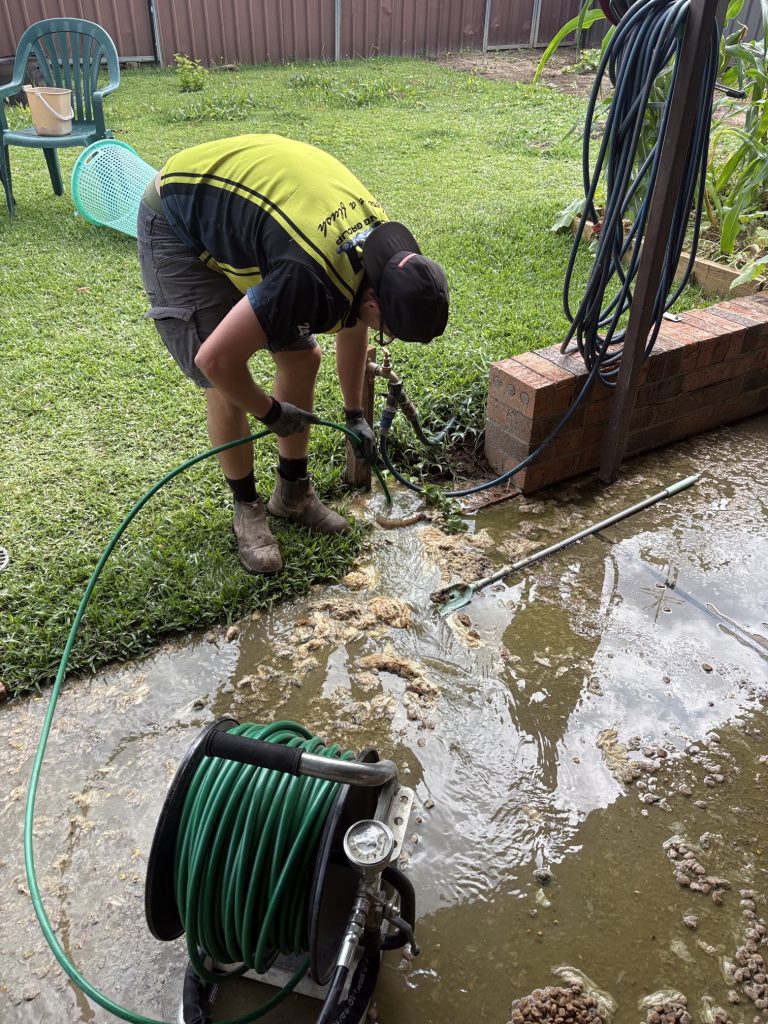
Understanding the root causes of blocked drains in Quakers Hill can help prevent costly plumbing emergencies. Many blockages are gradual, forming over weeks or months from small accumulations that eventually prevent proper drainage.
Common Household Causes
- Kitchen grease and food waste – Cooking oils, fats, and leftover food solidify inside pipes, gradually narrowing the passage.
- Bathroom hair and soap scum – Hair, combined with soap residues, forms clumps in shower and basin drains.
- Improper disposal in toilets – Wet wipes, cotton buds, sanitary items, and nappies can create major blockages when flushed.
- Outdoor debris – Leaves, dirt, and garden waste can enter stormwater drains, especially after heavy rain.
- Tree roots – Roots can penetrate cracked or old pipes, causing significant obstruction.
- Damaged pipes – Sagging, cracked, or collapsed pipes can trap wastewater and debris.
Commercial and Industrial Considerations
In commercial properties like offices, cafes, or warehouses, higher wastewater output and diverse waste sources increase blockage risk. Grease from kitchens, excessive toilet usage, or outdoor runoff can all contribute. For industrial sites, chemical waste and larger pipes may also need specialised inspection and clearing.
Pro tip: Even minor blockages should be addressed early to avoid larger sewer problems or costly property damage. Local Quaker Hills Plumber can inspect both household and commercial systems for recurring or complex blockages.
What Are the Early Signs of a Blocked Drain?
Detecting blockages early helps avoid water damage, bad odours, and expensive repairs. Homeowners should watch for subtle changes in drainage patterns.
Early Warning Signs
- Slow draining fixtures – Sinks, showers, and baths that empty more slowly than usual.
- Gurgling noises – Toilets or sinks may gurgle as trapped air struggles to pass through partial blockages.
- Foul odours – Sewer smells in bathrooms, kitchens, or near outdoor drains indicate trapped organic matter.
- Multiple affected drains – If more than one fixture is draining poorly, the problem may be in a main sewer or branch line.
Outdoor and Stormwater Indicators
- Pooling water around driveways or garden paths
- Blocked or overflowing outdoor grates after rain
- Soft ground or damp patches in lawns near drainage lines
Pro tip: Early recognition allows simple DIY methods or preventive plumbing checks to avoid serious issues later. A licensed plumber can perform CCTV inspections to identify hidden blockages before they escalate.
Can you Fix a Blocked Drain Yourself?
Minor blockages can sometimes be managed safely at home using simple techniques, but homeowners should know the limits to avoid damaging pipes or worsening the problem.
Safe DIY Measures
- Stop water use – Prevent further overflow and water damage.
- Clear surface debris – Remove hair, food scraps, or leaves visible at the drain opening.
- Plunging – Use a plunger to create suction and loosen soft blockages in sinks, showers, or toilets.
- Warm water flush – Run warm water to help dissolve grease build-up in kitchen sinks.
Precautions
- Avoid harsh chemical drain cleaners, as they can damage pipes or react with other materials in the blockage.
- Never push objects into a toilet or sink, as this can worsen clogs or damage pipework.
- If the drain clears but blocks again soon after, professional intervention is needed to identify the underlying cause.
Pro tip: For repeated issues, consider professional drain clearing, CCTV inspections, or water jetting. Local Quaker Hills Plumber offers these services, ensuring the blockage is fully removed and preventing recurring problems.
Blocked Drains Quakers Hill: When Should You Call a Plumber?
Some blockages require urgent professional attention. Knowing when to call a plumber saves time, prevents property damage, and keeps your plumbing system safe.
When to Call
- Multiple fixtures are affected simultaneously
- Blockages produce sewage smells or cause water overflow
- Water backs up into showers, baths, or toilets
- DIY methods fail or blockages recur frequently
- There is visible water damage or damp patches around drains
- Commercial or industrial drains are affected, posing hygiene or safety concerns
DIY vs Professional Intervention
| Situation | DIY Solution | Professional Needed |
| One slow bathroom basin | Clear hair or debris | If problem persists |
| Kitchen sink grease | Warm water flush, strainer cleaning | Recurrent grease build-up |
| Toilet overflow | Stop flushing | If multiple toilets/backed-up lines |
| Multiple slow drains | N/A | Likely main line blockage |
| Bad odours | Ventilate area | Persistent sewer smell indicates deeper issue |
| Outdoor drainage after rain | Clear surface debris | Blocked stormwater lines |
Local Quaker Hills Plumber can assess both household and commercial properties. Using water jetting, drain and sewer cleaning, CCTV camera inspection, and tree root removal, they identify and fix blockages efficiently.
How Does a Plumber Find the Cause of a Blocked Drain?
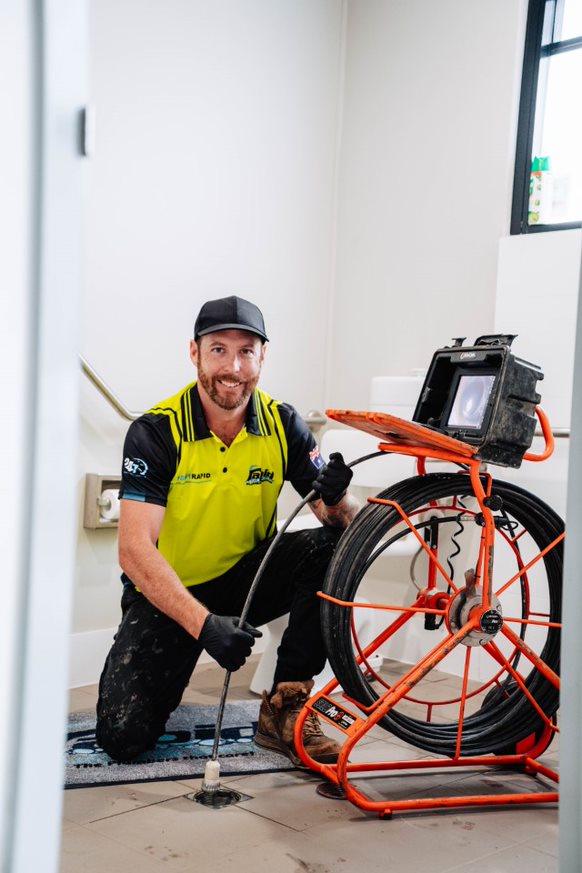
Professional plumbers use systematic methods to identify the source of a blockage. Accurate diagnosis prevents repeated issues and saves time and money.
Step 1: Interview & History
- Identify affected fixtures
- Determine frequency and severity
- Note any changes after rain or high usage
- Record previous DIY attempts
Step 2: Physical Inspection
- Check accessible fixtures and nearby drains
- Look for visible debris or slow-flow indicators
- Test water flow through branch lines
Step 3: CCTV Camera Inspection
- Detects tree roots, grease, debris, or collapsed pipes
- Confirms pipe alignment, joint integrity, and low spots
- Helps plan the most effective clearing method
Why It Matters
Different causes require different solutions. A kitchen grease blockage needs cleaning and possibly jetting, while tree roots may require cutting and pipe repair. Identifying the root cause ensures a long-term fix.
How Are Blocked Drains Cleared Properly?
Clearing drains safely and efficiently requires professional tools and experience.
Common Methods
- Water jetting – High-pressure water streams remove grease, debris, and roots
- Drain cleaning machines – Rotating heads or cables break up tough obstructions
- CCTV inspection – Guides the clearing process and confirms the blockage is gone
- Tree root removal – Cuts roots while preserving pipe integrity
- Pipe repair or replacement – For collapsed, cracked, or sagging pipes
After clearing, plumbers test water flow and sometimes perform a follow-up CCTV inspection to ensure the drain is fully functional.
Pro tip: Regular maintenance, including professional jetting every 1–2 years, can reduce the chance of recurring blockages in high-risk areas like kitchens, bathrooms, and outdoor drains.
How Can You Prevent Blocked Drains at Home?
Prevention reduces the likelihood of costly emergencies and prolongs the life of your plumbing system.
Household Practices
- Dispose of food scraps in the bin
- Avoid pouring fats, oils, or grease down kitchen sinks
- Use strainers in all bathroom and kitchen drains
- Only flush toilet paper and human waste
- Keep wipes, cotton buds, and sanitary items out of toilets
- Regularly clean outdoor grates and drains
- Schedule periodic professional inspections, especially for older or tree-surrounded properties
Pro tip: Homes in Quakers Hill may face outdoor blockages after rain. Keeping gutters, stormwater drains, and nearby gardens clean helps prevent leaves and soil from entering the drainage system.
What Should Businesses Do When Drains Block?
Blocked drains in commercial or industrial properties can disrupt operations, hygiene, and customer safety.
Immediate Actions
- Stop using affected fixtures
- Place signage to restrict access
- Avoid flushing, running sinks, or using washing equipment in blocked areas
- Contact a professional plumber promptly
Preventive Measures
- Maintain drainage records and log blockages
- Schedule regular inspections, including water jetting and CCTV scans
- Train staff on what not to flush or pour down drains
- Ensure stormwater grates and outdoor drains are free of debris
Local Quaker Hills Plumber assists businesses with residential-level and commercial-scale solutions, including emergency drain clearing, inspections, and preventative maintenance.
FAQ About Blocked Drains in Quakers Hill
What is the most common cause of blocked drains?
Kitchen grease, hair and soap in bathrooms, wet wipes, leaves, and tree roots are the main culprits. Regular cleaning and careful disposal habits can prevent most blockages.
Can boiling water clear a blocked drain?
Warm water may help minor grease build-ups, but boiling water can damage pipes or fixtures. Persistent blockages require professional clearing.
Why does my toilet gurgle when I use the shower?
Gurgling indicates trapped air due to restricted flow. If multiple fixtures show symptoms, a main drain blockage may be present.
How long does it take to clear a blocked drain?
Simple blockages may clear in one visit, while deep or complex issues, like tree roots or pipe damage, may need CCTV inspection and repair.
Are chemical drain cleaners safe?
They can damage pipes, harm the environment, and worsen some blockages. Professional methods like water jetting are safer and more effective.
When is a blocked drain an emergency?
Overflowing water, sewage back-up, multiple blocked fixtures, or unsafe work conditions indicate an urgent need for a plumber.
Need Help With Blocked Drains in Quakers Hill?
Blocked drains Quakers Hill problems should never be ignored. Persistent slow drains, foul smells, overflow, or multiple affected fixtures need immediate attention. Stop using the affected drains and call a professional for safe, lasting solutions.
Local Quaker Hills Plumber offers blocked drain clearing, water jetting, CCTV inspections, tree root removal, leak detection, and full plumbing services for homes, businesses, and industrial sites across Quakers Hills.
Call Local Quaker Hills Plumber on 291583597 today for reliable, prompt assistance with any blocked drain issues.